MAM
Indian travellers want more passport stamps, but the price must be right: Skyscanner
Wellness, music, exclusive shopping and currency value emerge as key travel trends


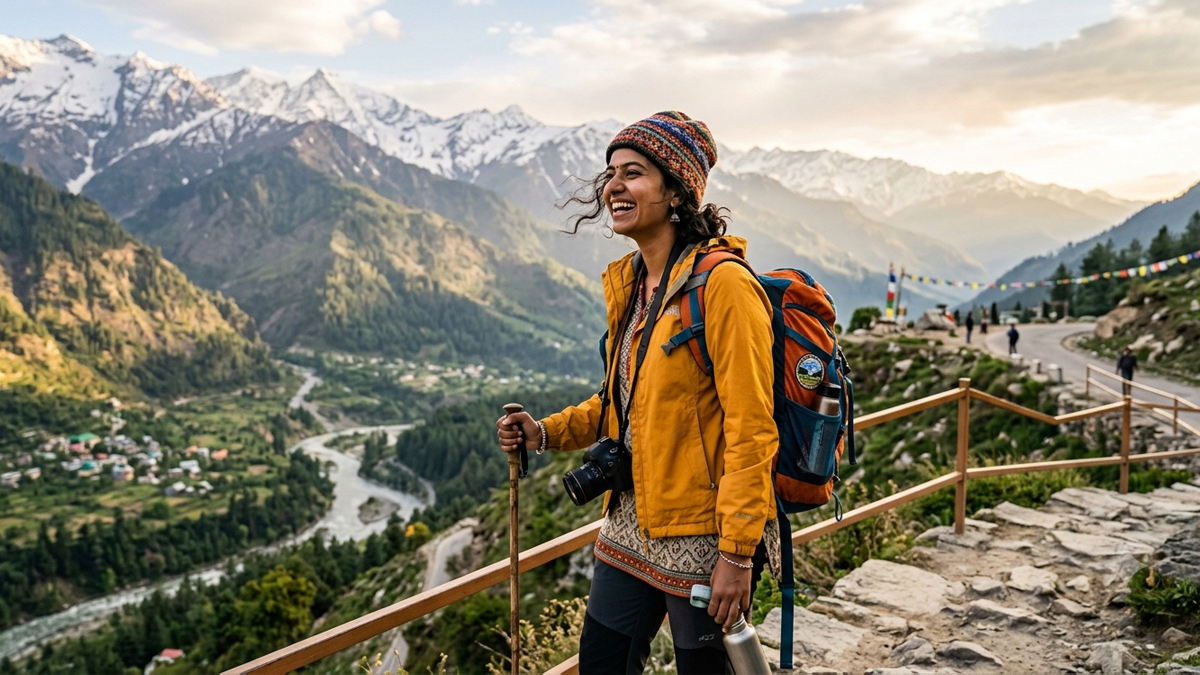
MUMBAI: Indian travellers are preparing to spread their wings further in 2027, with 58 per cent planning to travel abroad more often, even as rising costs push many to rethink where they go. Skyscanner’s Travel Trends 2027 report identifies value-conscious planning, wellness, music, cultural discovery and artificial intelligence (AI) as key influences on holiday choices.
Released on 8 October, the report draws on a OnePoll survey of 2,000 Indian respondents conducted in July 2026. It found that 56 per cent expected to spend more on flights and 44 per cent planned to increase accommodation spending. However, 67 per cent had changed or considered changing a holiday destination to find better value.
The report identifies seven emerging travel trends: Signal Severance, Pilgra-merch, Sten Do Surge, Grand Odysseys, Gymcation, Sound Bound and Currency Chasers, reflecting travellers’ growing interest in experiences that go beyond conventional sightseeing.
Skyscanner India travel trends and destinations expert Neel Ghose said Indian travellers were becoming more deliberate about the experiences they wanted from a trip, whether that meant disconnecting from devices, staying active, discovering new cultures or making their budgets go further.
With 87 per cent of respondents confident about using AI to plan and book travel, technology is also playing a growing role in holiday decisions. Skyscanner’s Explore with AI, Price Alerts and Drops are among the tools travellers can use to discover destinations and track airfare opportunities, Ghose said.
Health and fitness are increasingly influencing accommodation choices. The report found that 91 per cent of respondents were likely to book a hotel offering breakfast options tailored to nutritional and performance needs, while 53 per cent actively looked for fitness facilities and could choose accommodation based on their quality.
Music is also becoming a reason to travel, with experiences extending beyond conventional concert venues. Some 43 per cent of respondents preferred carnival experiences, while 38 per cent were interested in unusual settings such as volcanoes, pyramids and caves. Music genre was the leading consideration for music-led trips, cited by 27 per cent, followed by cultural immersion at 20 per cent.
History and mythology are another source of inspiration. Nearly nine in 10 respondents, or 89 per cent, said a historical event, classical story or myth had influenced their travel plans. Historical figures influenced 61 per cent, architectural landmarks 57 per cent and mythological legends 52 per cent.
The desire to disconnect from digital devices is also shaping destination choices, although switching off remains difficult. While 43 per cent said they needed time at the beginning of a holiday to stop checking their phones, only 23 per cent were able to switch off immediately.
Nevertheless, 75 per cent believed going without their phones would help them feel more connected to nature, while 73 per cent said it would help them reconnect with themselves.
Flight searches from Indian travellers rose 166 per cent year on year for Pokhara in Nepal, 157 per cent for Agatti in India and 133 per cent for Phu Quoc in Vietnam, destinations highlighted for travellers seeking a break from digital distractions.
Shopping for products unavailable elsewhere is emerging as another reason to book a trip. The survey found that 80 per cent of respondents had travelled to a particular destination or store to buy an exclusive item. The proportion increased to 84 per cent among Gen Z respondents and 82 per cent among millennials.
Nearly half of respondents, or 49 per cent, were willing to fly for three to six hours to purchase something unavailable in their own market.
Wedding-related travel is also evolving, with pre-wedding celebrations becoming more inclusive. Some 73 per cent preferred either a joint celebration or a combination of shared and separate events rather than exclusively separate stag and hen parties.
Fun was the leading reason for this preference, cited by 64 per cent of respondents. Spending more time together before the wedding followed at 53 per cent, while convenience and cost savings were cited by 49 per cent and 48 per cent, respectively.
Exchange rates are playing a significant role in travel planning. The report found that 69 per cent of respondents always or often considered currency movements when selecting a destination.
Price sensitivity was also evident in destination switching: 67 per cent had changed their plans for better value, while another 24 per cent had considered doing so. Among Gen Z travellers, 77 per cent had either changed or considered changing destinations for this reason.
Bishkek in Kyrgyzstan led Skyscanner’s trending destinations list, with flight searches rising 748 per cent. Rupsi in India followed with a 502 per cent increase, ahead of Okinawa in Japan at 279 per cent and Malvan in India at 258 per cent.
Other destinations on the list included Tirana in Albania, Podgorica in Montenegro, Sandakan in Malaysia, Pokhara in Nepal, Bandar Seri Begawan in Brunei and Phu Quoc in Vietnam.
For travellers prioritising lower airfares, Jaisalmer topped the report’s best-value destinations list, with economy-class return fares falling 43 per cent year on year. Tashkent recorded a 30 per cent decline, followed by Kozhikode at 29 per cent and Jodhpur at 25 per cent. Return fares to Baku, Cebu and Krabi each fell 17 per cent.
The rankings compare flight searches and economy-class return airfare prices from 1 January to 17 June 2026 against the corresponding period in 2025, for travel throughout 2026.
AI is becoming a practical part of the travel research process, from discovering destinations to comparing prices and making bookings. More than half of respondents planned to use AI for destination research, while half used it to compare flights, accommodation and prices. Nearly two in five had used AI to book flights, although concerns about accuracy remained among more than half of those surveyed.
Social media continues to be a major source of inspiration. YouTube was cited by 78 per cent of respondents and Instagram by 69 per cent, while 30 per cent were already using AI chatbots and tools to discover travel ideas.
The findings point to a travel market in which experiences, convenience and value are increasingly intertwined. Indian travellers may be willing to spend more on overseas holidays, but destination choices are becoming more considered, with technology helping them balance personal interests against the cost of getting there.