MAM
Indian PR firm’s role in opposition leader’s India visit discussed in Australian parliament


Mumbai: In what may be termed as a unique event in the history of public relations, a homegrown Indian PR firm, PR Professionals, finds itself at the centre of a huge political debate in the Australian Parliament regarding the firm’s role in shaping the public image of Australia’s leader of opposition Peter Dutton’s recent visit to India
Australia’s former Minister of Defense and Home Affairs Dutton, embarked on a high-profile visit to India almost a month ago bringing a long power-packed business delegation, aiming at further strengthening Indo-Australian trade relations. The four-day visit was a huge success with widespread publicity in the most prestigious and influential news publications.
Seeking to reinforce trade relations between India and Down Under, Dutton participated in a range of engagements, from meetings with captains of industry to interactions with schoolchildren; and visits to religious sites.

The visit was strategically curated to showcase Dutton’s multifaceted persona, emphasizing both his business acumen and softer side. And therefore, the agency finds mention in Australian politics. Australia’s assistant manager to the prime minister and assistant minister for the public service Patrick Gorman, accused the leader of the opposition of secretly organizing an India trip aimed at showcasing his softer side.
Gorman’s accusations took a specific turn as he claimed that Dutton engaged the services of – PR Professionals -, employing the firm as a strategic communications partner. According to Gorman, this partnership led to the crafting and dissemination of specific communications to the Indian media, along with orchestrated interviews to mould a tailored narrative for Dutton’s public image.
The assertions made by Gorman in the parliamentary session were published by one the world’s largest read, Daily Mail, further amplifying the matter.
The claims raised in the Australian Parliament shed light on the significant influence wielded by PR firms in sculpting political personas and narratives in the global landscape. This unexpected mention of an Indian PR firm in a foreign political forum sparks intriguing discussions on the broader implications of strategic communication in international relations.





Brands
Vodafone Idea elevates Vineeth Jayendranath as VP, marketing head Mumbai
Telecom marketer takes charge of Mumbai circle with growth and brand focus
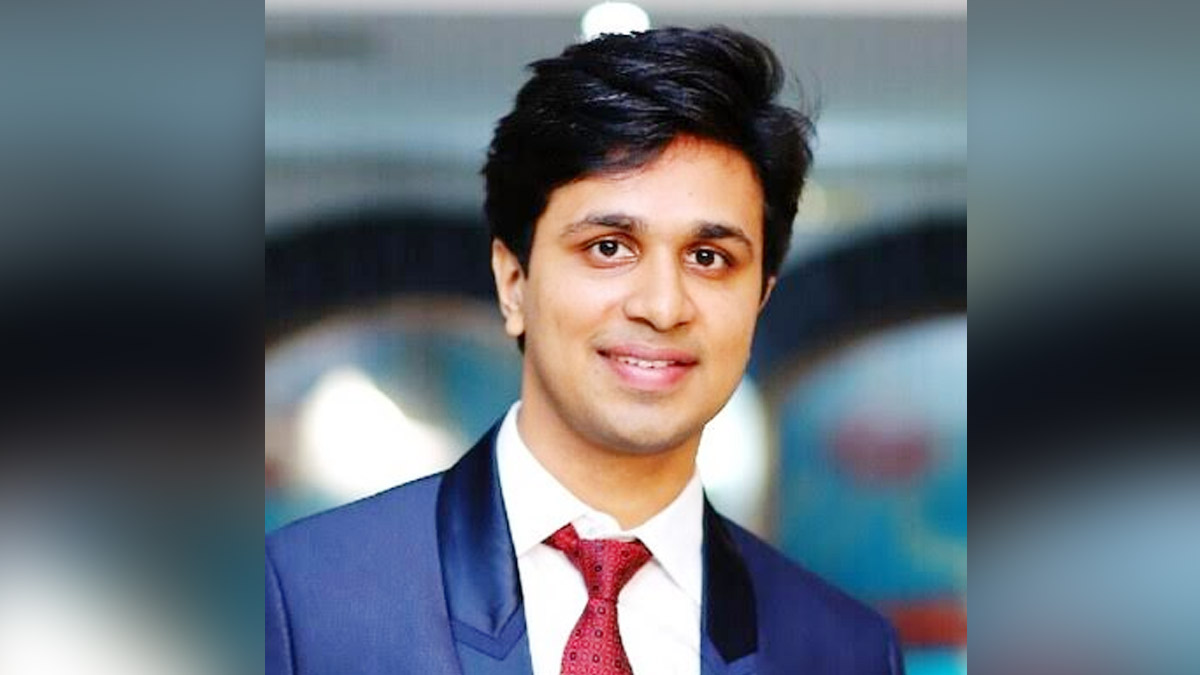
MUMBAI: Vodafone Idea Limited has promoted Vineeth Jayendranath to vice president, marketing head for the Mumbai circle, marking a key milestone in his career as the telecom operator sharpens its regional strategy.
In his new role, Jayendranath will lead marketing efforts across prepaid and postpaid segments in one of the country’s most competitive telecom markets. His mandate includes driving revenue growth, strengthening brand positioning, and deepening customer engagement, while also managing profit and loss responsibilities for the circle.
Sharing the update, Vineeth Jayendranath said, “Excited to share, I am starting my new stint as Vice President, Marketing Head for Mumbai circle at Vodafone Idea Ltd. Would like to thank everyone who has supported me in this journey.”
Jayendranath brings over 12 years of experience spanning telecom and IT, with a strong focus on customer value management and data-led marketing. Since joining Vodafone Idea, he has held multiple leadership roles, most recently serving as general manager leading customer value management and prepaid business across Gujarat, Maharashtra and Goa.
During this period, he handled large subscriber bases and multi-billion rupee revenue portfolios, while rolling out hyper-personalised campaigns and a “segment of one” strategy to improve customer retention and upgrades. He also championed a digital-first approach, pushing adoption of data services and unlimited plans through targeted, insight-driven initiatives.
Earlier, he worked with Idea Cellular Ltd in strategy and business intelligence roles, and began his career at Infosys as a systems engineer. A brief stint at Hyundai Motor India Ltd during his internship added early exposure to marketing strategy.
An alumnus of SVKM’s Narsee Monjee Institute of Management Studies, Jayendranath has steadily built a reputation for combining analytics with marketing execution.
His elevation comes as telecom players double down on circle-level strategies to stay competitive, and Vodafone Idea appears to be betting on data-backed marketing to keep Mumbai firmly in its corner.







