Brands
India sells 10.32 lakh vehicles during Navratri as two wheelers lead
Retail sales rise 1.95 per cent despite a high base, while passenger vehicle sales fall 13.66 per cent year on year


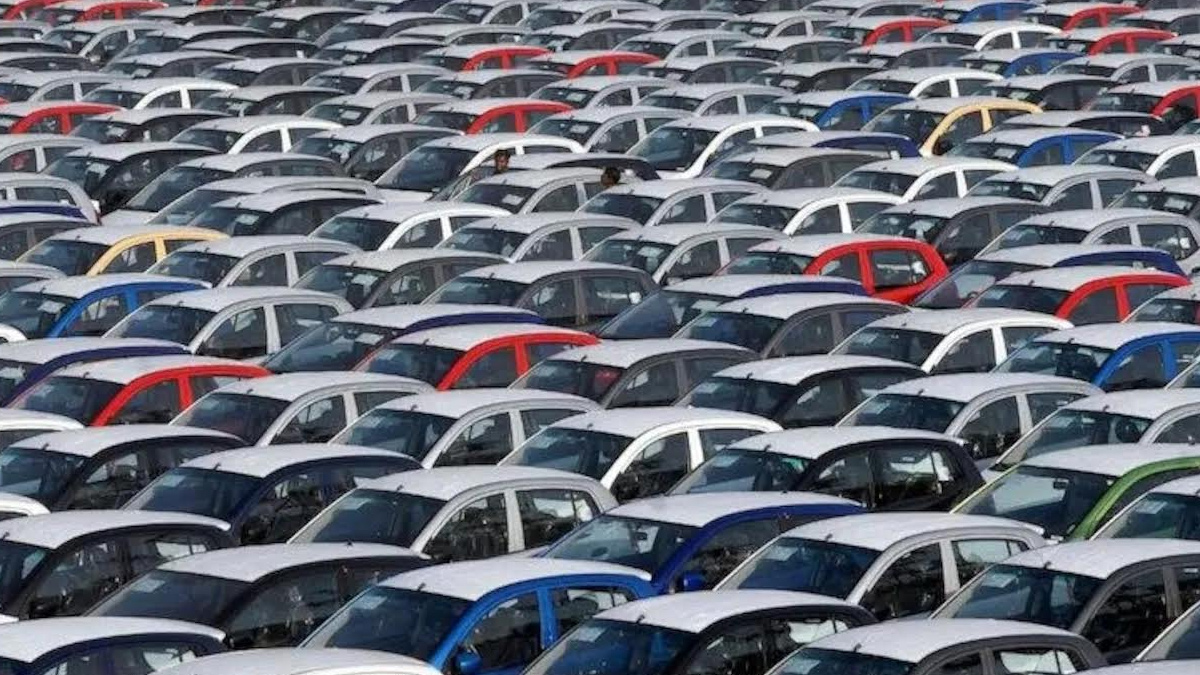
MUMBAI: India’s festive season has shifted into top gear, with the country selling more than one vehicle every second during Navratri. Retail sales touched 10.32 lakh vehicles over the nine-day period, rising 1.95 per cent year on year despite a high comparison base and a sharp slowdown in passenger vehicle purchases, according to data from the Federation of Automobile Dealers Associations (FADA), cited by Moneycontrol.
The latest figures point to a market being driven less by four-wheelers and more by two-wheelers, which accounted for nearly three-fourths of all vehicles sold during the period. Total retail sales stood at 10.12 lakh units during the corresponding period in 2025, when buyers flocked to dealerships following price reductions linked to the implementation of GST 2.0. That surge created a challenging base for this year’s festive performance.
The modest increase is therefore significant for dealers, who had expected sales to come under pressure after last year’s rush brought forward purchases. Sai Giridhar, president of FADA, told Moneycontrol that the industry had anticipated a decline against the unusually strong previous-year numbers. The fact that retail sales still recorded growth offers some encouragement, even as the performance varied considerably across vehicle categories.
Two-wheelers emerged as the biggest engine of festive demand. Retail sales in the segment rose 5.78 per cent year on year to 7.60 lakh units, helping offset weakness in passenger vehicles. The figures underline the importance of the segment to the broader automobile market, with two-wheelers making up almost 75 per cent of total sales during the nine-day period.
Passenger vehicles, meanwhile, had a bumpier ride. Retail sales fell 13.66 per cent year on year to 1.72 lakh units, making the category the only major vehicle segment to register a double-digit decline during the period. The drop was partly attributed to the unusually strong demand seen last year, when GST-linked price reductions encouraged consumers to advance purchases.
Giridhar told Moneycontrol that the effect of the tax-related price cuts had been particularly pronounced in passenger vehicles. The comparison suggests that the segment is facing a tougher test than the overall market, although the nine-day figures alone do not establish whether the decline represents a sustained change in consumer demand.
Other vehicle categories delivered a more positive performance. Commercial vehicle retail sales increased 14.21 per cent to 34,120 units, while tractor sales climbed 8.87 per cent to 20,912 units. Construction equipment sales rose 10.86 per cent to 2,185 units. Three-wheelers bucked the broader trend, with sales declining 1.65 per cent to 43,057 units.
The differences across categories show that festive demand is not moving in a single direction. While two-wheelers and several business-linked vehicle segments recorded growth, passenger vehicles faced a sharper year-on-year correction. The overall increase of 1.95 per cent consequently masks a mixed picture beneath the headline number.
FADA has also flagged a calendar-related complication in comparing the two festive periods. Navratri and Dussehra spanned 11 days last year, compared with 10 days this year. Differences in the timing and length of the festive window can influence when consumers visit dealerships and register vehicles, making direct year-on-year comparisons less straightforward.
Regional markets offered further signs of festive momentum. In West Bengal, dealers reported stronger sales growth than during the previous year’s festive period, supported by adequate vehicle availability at dealerships. Rohit Chowdhury, chairperson of FADA West Bengal, told Moneycontrol that the upward trend could continue until Diwali. He also reported double-digit growth at his Tata Motors dealership.
However, the upbeat sentiment at some dealerships comes against a backdrop of mounting inventory pressure in the passenger vehicle market. At the end of September, dealerships held around 45 days of passenger vehicle stock, the highest level in nearly a year, according to FADA data cited in the Moneycontrol report.
Passenger vehicle inventory rose by another 33,000 units during September, reflecting the gap between wholesale dispatches by manufacturers and actual vehicle registrations. In other words, vehicles shipped to dealerships are not necessarily moving off showroom floors at the same pace.
That gap matters because holding unsold vehicles can become expensive. Dealers typically borrow funds to purchase vehicles from manufacturers, meaning larger inventories can increase financing costs. To clear stock and attract buyers, dealerships may also offer discounts, potentially putting pressure on their margins.
The risk can become more pronounced as the industry moves towards a new model year. Older model-year vehicles may require steeper price reductions to make room for newer stock, adding to the pressure on dealers already carrying substantial inventories.
The festive period has thus delivered a mixed signal for India’s automobile industry. Overall retail sales have managed to grow despite a demanding comparison with 2025, and two-wheelers have provided the strongest support. But the 13.66 per cent fall in passenger vehicle sales and the build-up of dealership stock suggest that headline growth does not tell the whole story.
With Diwali still ahead, dealers will be watching whether the festive buying mood translates into stronger passenger vehicle registrations and helps reduce inventory. For now, India’s automobile market is moving forward, but not every segment is travelling at the same speed.