MAM
India plans to extend tax relief for global manufacturers till 2041
Draft proposal offers longer tax certainty for foreign suppliers, data centres and diamond traders


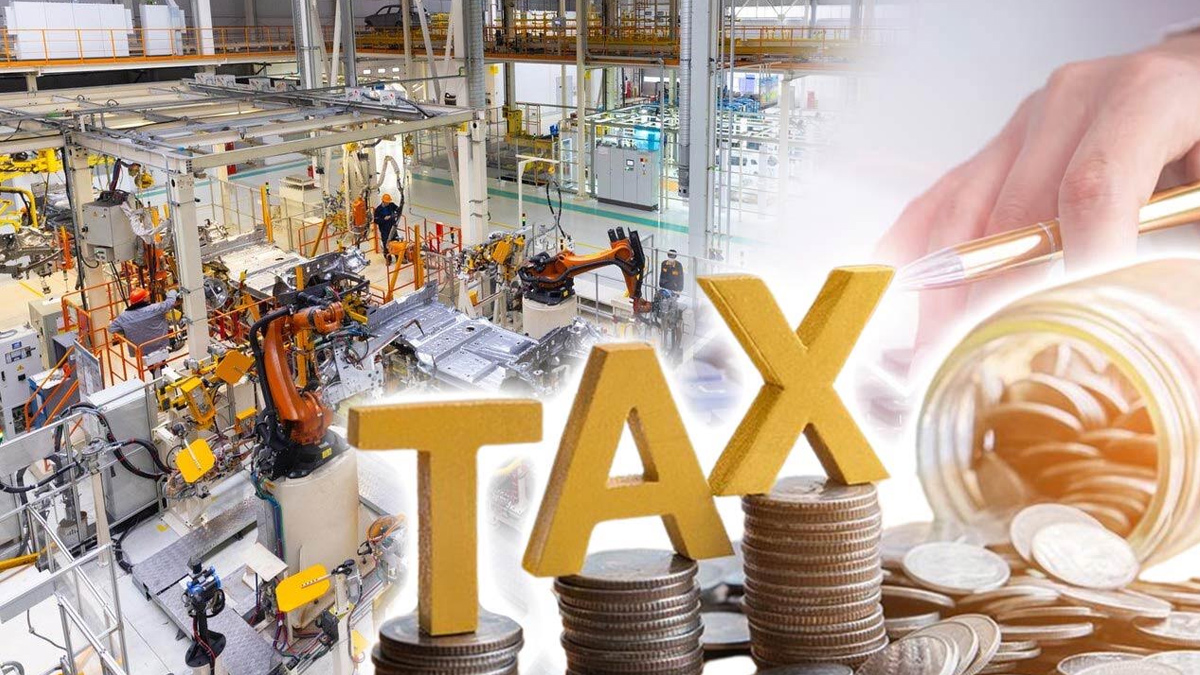
MUMBAI: Looks like India is tightening the welcome mat instead of the tax net. In a move aimed at making the country an even more attractive manufacturing base, the government has proposed extending tax exemptions for foreign companies supplying machinery and components to Indian contract manufacturers until March 31, 2041.
According to a Reuters report, the proposal forms part of a draft amendment to the Income Tax Act and is designed to provide long-term tax certainty for overseas companies supporting manufacturing operations in India. The changes will take effect only after receiving Parliament’s approval.
The proposed extension is expected to benefit multinational technology companies, including Apple, which has steadily expanded its manufacturing footprint in India as part of its strategy to diversify production beyond China.
The government had introduced a similar exemption earlier this year, but it was due to remain in force only until 2031. The latest proposal stretches that timeline by another 10 years, signalling New Delhi’s intent to provide greater policy stability for global manufacturers.
The exemption addresses a long-standing concern among overseas companies that simply owning manufacturing equipment supplied to Indian contract manufacturers could expose them to local tax liabilities, even when production is carried out by domestic partners.
The proposal goes beyond machinery. It also seeks to extend tax exemptions on income earned by foreign companies from storing and supplying components used to manufacture mobile phones, laptops, tablets, wearable devices and hearing equipment. The benefit would apply to operations carried out through customs-bonded warehouses and export-oriented manufacturing facilities.
By reducing the tax burden on equipment ownership and component storage, the government hopes to encourage companies to position critical manufacturing assets closer to production sites, strengthening supply chains while improving operational efficiency.
The draft legislation also takes aim at another fast-growing sector: data centres. Under the proposal, foreign companies serving international customers from India would be allowed to lease data centre facilities instead of relying on locally owned infrastructure. Industry observers believe the move could lower entry costs, improve flexibility and make the sector more accessible to smaller global operators.
In a separate measure, the government has proposed a 15-year tax exemption for foreign diamond mining and trading companies selling rough diamonds through designated trading hubs in India. The move is intended to reinforce the country’s position as one of the world’s leading centres for diamond cutting, polishing and trading.
Taken together, the proposals reflect India’s broader strategy of pairing manufacturing incentives with regulatory certainty as it competes with other Asian economies for global investment. For multinational companies looking to diversify supply chains, the message is increasingly clear: India wants to be a long-term production partner, not just an alternative destination.