Digital
IDS 2026: AI rewires media value chain, says JioStar’s Prashant Khanna

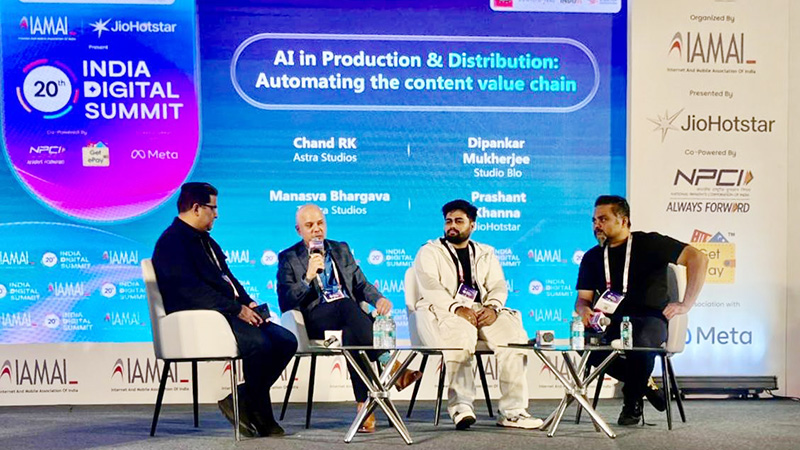
BENGALURU: Artificial intelligence is rapidly becoming the operating backbone of the media industry, transforming everything from content creation to distribution, said JioStar head – sports and live experiences, production technology and services Prashant Khanna, at the India Digital Summit 2026.
Speaking at a panel on automating the content value chain organised by IAMAI, Khanna said AI was no longer a peripheral tool but a core layer enabling scale, precision and personalisation across media workflows.
Live sports, he noted, requires unparalleled accuracy, with tens of millions of viewers watching in real time. AI-driven systems are now helping production teams move from reactive execution to predictive storytelling, using data, context and historical patterns to anticipate visuals, graphics and narrative elements before they are needed.

This shift, Khanna said, allows creative professionals to focus more on storytelling while automation handles manual processes.
Beyond production, AI is reshaping distribution by enabling the same live content to be delivered across multiple formats, from vertical video and short highlights to extended recaps and full-length broadcasts, tailored to different viewing preferences.
According to Khanna, seamless automation across the value chain is increasingly central to acquiring viewers and deepening engagement. He added that AI is also democratising premium production experiences, making features such as high-quality language commentary, advanced camera work, auto-framing and real-time adaptation accessible at scale.
Addressing the rise of AI-generated content, Khanna said technology lowers barriers to entry but does not replace the need for strong storytelling. Its true power lies in expanding creative possibilities rather than substituting narrative craft.
Looking ahead, he predicted a more immersive and interactive future for live entertainment, driven by virtual reality, second-screen experiences and personalised data layers, allowing fans to curate their own viewing experiences.
In Khanna’s view, AI’s true impact on media will be measured not by novelty, but by how seamlessly it integrates creativity, certainty and scale, turning the entire content lifecycle into a more intelligent, responsive and inclusive system.







Digital
OpenAI names Sanghyun Lee Apac global affairs head
Ex-Google policy leader to steer AI governance and partnerships in region
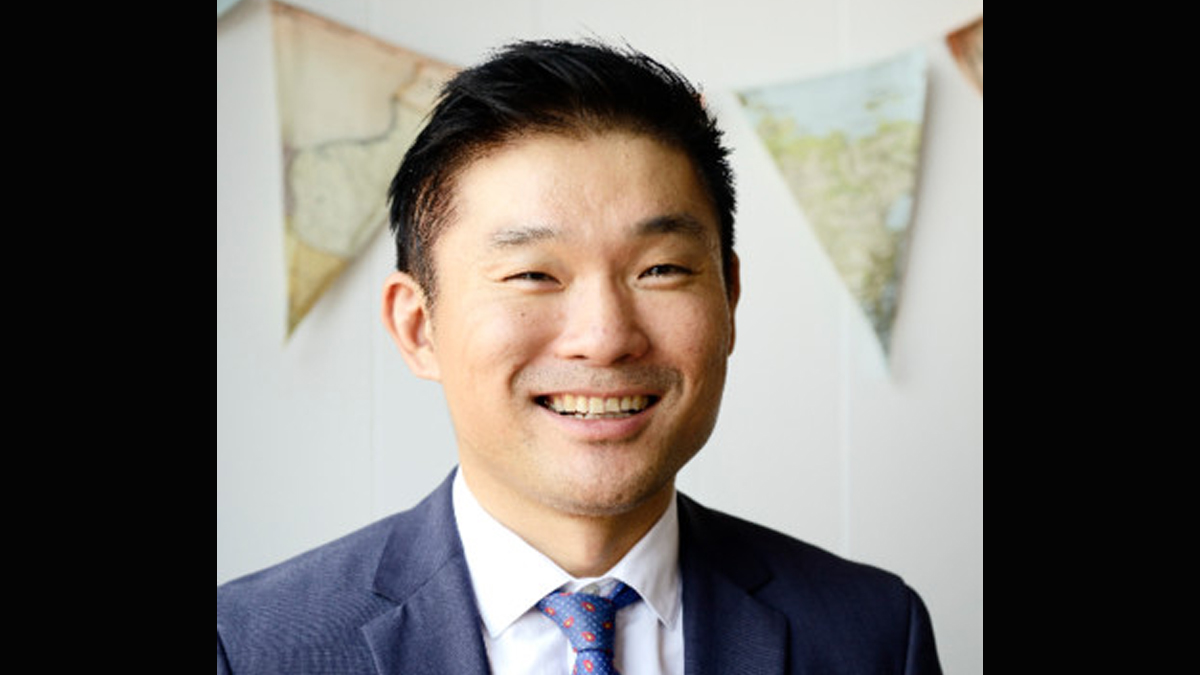
MUMBAI: OpenAI has appointed Sanghyun Lee as head of Asia Pacific global affairs, bringing in a seasoned policy hand as it deepens engagement across one of the fastest-evolving AI markets.
Based in Singapore, Lee will lead public policy engagement, government relations and strategic partnerships across key Asia Pacific markets, including India, Japan, Korea, Australia and Southeast Asia. His role will centre on shaping how AI is governed and adopted responsibly across the region.
Lee joins OpenAI after nearly nine years at Google, where he held multiple leadership roles in government affairs and public policy. Most recently, he served as global head of key markets for platforms and devices, overseeing regulatory strategy across major markets including the US, EU and Asia.
Reflecting on his transition, Lee described his time at Google as formative. “After nearly nine years at Google, I am closing a chapter that has meant a great deal to me. These were defining years. We navigated regulatory scrutiny, fast-moving policy debates, and moments that demanded calm judgment and steady teamwork,” he said.
At OpenAI, Lee will focus on aligning innovation with policy frameworks, a balancing act that is becoming increasingly critical as AI adoption accelerates worldwide. Lee said, “When a technology is as powerful as AI, progress is not only about innovation. It is also about how thoughtfully we engage with governments, institutions, and communities to help ensure its benefits are shared broadly and responsibly.”
Lee brings more than two decades of experience spanning technology, investments and public policy. His career includes leadership roles at Airbnb, where he worked on regulatory frameworks in Asia, and academic positions at Yonsei University. He is also an alumnus of MIT Sloan School of Management and has contributed to research on AI governance and digital policy.
His appointment comes as OpenAI looks to strengthen its institutional presence globally, with Asia Pacific expected to play a central role in shaping the future of AI regulation and adoption.
As governments and companies race to define the rules of AI, OpenAI’s latest hire signals a clear intent to stay ahead of the policy curve while building trust in a rapidly transforming digital landscape.






