MAM
Hygiene, health & wellness remain key consumer concerns: Kantar report


Mumbai: Emerging from the pandemic, the Indian FMCD (Fast Moving Consumer Durables) market presents significant opportunities. While the pandemic caused much anxiety amongst consumers in general, there was a high demand in the FMCD health and wellness space, according to the latest Sustainability Report from Kantar. New-market segments such as air purifiers, ACs with purification filters, smaller sub-categories such as UVC disinfection categories, UVC Desk lamps, and growth of personal care health tech products such as smartwatches and fitness monitors saw amped-up sales, says the report. Consumption patterns have changed significantly – towards safety, premiumness and technologically advanced products.
The data-driven analytics and brand consulting company unveiled the FMCD Sustainability Report – “Walking the Talk on Sustainability with Consumers – a roadmap for India’s FMCD Sector.” The Kantar report reveals that the Indian consumers are also becoming more conscious about the impact of human activity on climate change and other environmental factors. The report highlights how the intersection of the FMCD sector and sustainability will further enable growth. It aims to provide key sustainability roadmaps for FMCD brands to help them navigate the ecosystem with sustainable solutions.
The India Story: Post-pandemic Consumer Attitudes and Behaviour

According to the Kantar report, consumer reactions in the wake of Covid-19 continue to evolve and the Indian market presents several opportunities for the FMCD brands. The report further states that cautious consumption is the norm – hygiene, health and wellness are key consumer concerns, where 91 per cent Indian households are washing hands more often now, 47 per cent Indian households claim increased toilet cleaning, more so in rural (49 per cent) vs urban (43 per cent).
Data also suggests that consumers are changing education and work codes, with work ecosystems being reshaped by digital transformation. With accelerated digital adoption, there is 125 per cent growth in usages of smart devices among internet users, paving the way for the emergence of a smart home. Some of them are – smart lights, smart speakers, smart air purifiers, smart display, smart home entertainment and smart cleaning.
There is also evidence to suggest that ‘value’ is a key factor for consumers since post-pandemic financial concerns have cropped up, where 73 per cent attribute Covid-19 to have impacted household income, while 67 per cent pay greater attention to prices while shopping. This has led to an overall joint accountability of both businesses and consumers towards adopting a stronger sense of collective corporate responsibility, according to the report.
“The FMCD sector is witnessing rapid growth even in post pandemic phase while we’ve also seen a great consumer shift towards sustainability and the environment urging brands to rethink their strategies,” said Kantar Insights Division Qualitative & Lead- Sustainability Practice South Asia managing director Paru Minocha. “Consumers have greater expectation from companies than from themselves; this is likely to be amplified in FMCD, where personal behaviors post purchase is led primarily by the policies/features of the product and company they use. With this report, we are putting forward recommendations to brands which help in solving customer tensions with sustainable solutions, addressing barriers such as packaging, service models, repairability, and return and recycling policies.”
Commenting on the focus and relevance of FMCD, Kantar Shopper and CX Domain lead Sushmita Balasubramaniam said, “Consumers today are more aware and concerned about sustainability and other issues like pollution, carbon emissions, etc. For example, in the mobile phones category, consumers expect brands to address macro environment issues of carbon emissions and plastic pollution whereas in the computing category – carbon emissions, packaging and tax evasion are palpable concerns. In appliances, concerns exist on pollution (air and plastic) and emissions besides packaging. While we see consumers consciously making smarter choices, the responsibility resides with brands andmarketeers to provide sustainable solutions to resonate and build credibility with their audiences moving forward.”
Launched at the recent CII’s FMCD Summit, the Kantar report also provided key recommendations for the FMCD brands such as embedding Green Lifecycle across portfolio and processes, connecting the environment and the everyday, addressing Consumer Knowledge Barriers and meeting accountability expectations. With the suggested roadmap, the report also highlights noticeable consumer trends that lead to a collective accountability of both businesses and audiences, seeking the path to a more sustainable world.







MAM
Beacon Group appoints Dr Rajesh Patel as Group CEO
36-year healthcare veteran to lead Beacon Diagnostics, Vector Biotek, Biogeny.
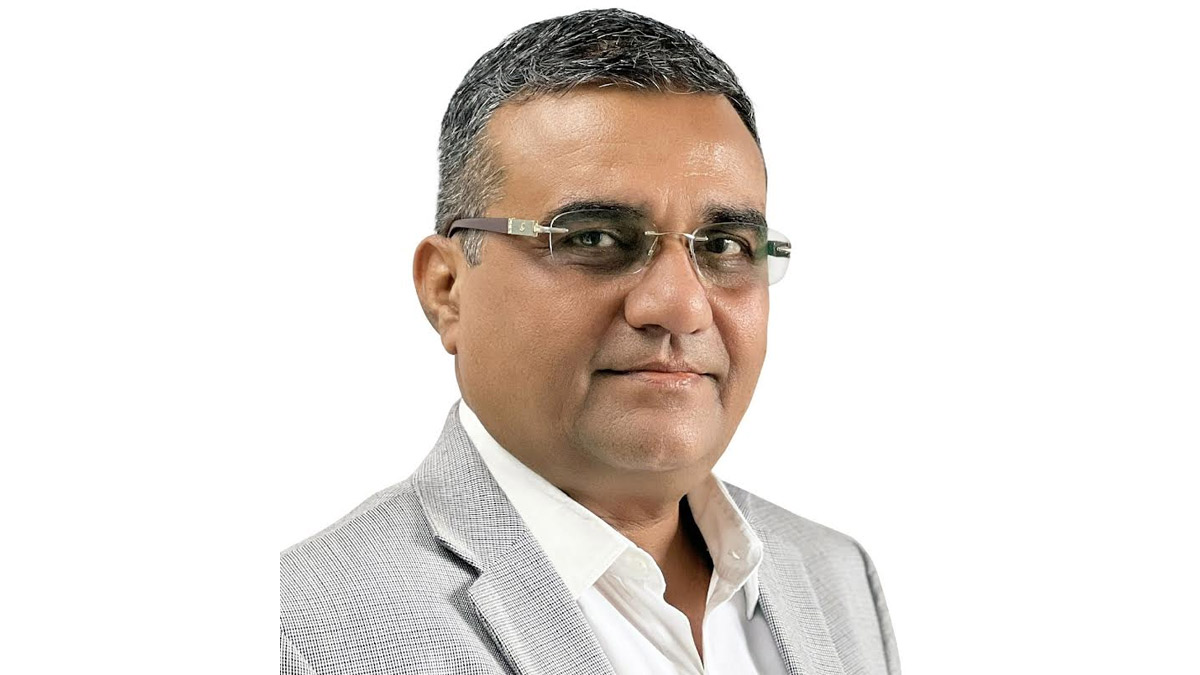
MUMBAI: A new chief, a fresh diagnosis and a sharper prescription for growth. Beacon Group has appointed Dr Rajesh Patel as its Group Chief Executive Officer, effective April 1, 2026, signalling a decisive push to scale its presence in the diagnostics and IVD space. Patel steps into the role with 36 years of experience across the healthcare and diagnostics industry, bringing a career shaped by leadership roles spanning sales, marketing, business development and operational strategy. His mandate is both expansive and precise: to steer the group’s overall strategic direction while tightening coordination across its three core entities Beacon Diagnostics, Vector Biotek and Biogeny Diagnostics.
In practical terms, that means driving cross-company synergies, accelerating market expansion and strengthening organisational capability areas increasingly critical as diagnostic players compete for scale in a fragmented yet rapidly evolving healthcare ecosystem. The group is positioning itself to capture unmet demand across chain laboratories, key accounts and standalone labs, segments that remain underserved despite growing diagnostic needs.
The appointment comes at a time when the In Vitro Diagnostics (IVD) sector in India is entering a more competitive and innovation-led phase, with companies focusing not just on product pipelines but also on service delivery, integration and customer-centric models. Beacon’s leadership appears to be betting that Patel’s execution-focused approach can help translate ambition into operational momentum.
Welcoming the appointment, Chairman Dr D K Joshi described Patel’s induction as a strategic move aligned with the group’s long-term vision, emphasising the role of leadership depth in navigating the next phase of growth.
For Beacon Group, the message is clear, in a sector where precision matters, leadership is the new differentiator—and this appointment is intended to set the tone for what comes next.






