
Brands
HUL shakes up top deck as D2C challengers bite into FMCG turf


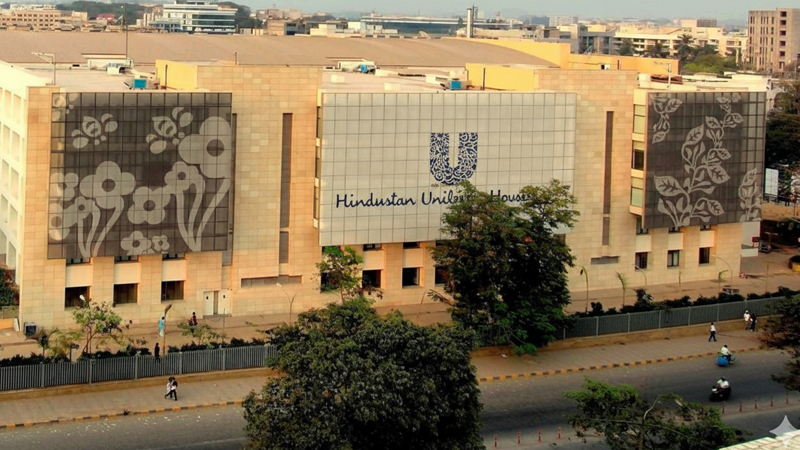
MUMBAI: Hindustan Unilever has overhauled its leadership ranks across beauty and foods as chief executive Priya Nair moves to counter rising disruption from nimble direct-to-consumer brands reshaping India’s fast-moving consumer goods market.
The reshuffle signals a strategic pivot, blending long-serving executives with external talent to inject fresh thinking into slower-growing divisions.
In beauty and personal care, Nair has leaned on in-house leadership, naming Sunanda Khaitan as chief marketing officer and Abhinav Ravikumar as cmo–personal care. For foods and refreshments, she has turned outside the group, appointing Rajneet Kohli, former chief executive of Britannia Industries, as executive director, foods.
Industry watchers say the hybrid leadership approach aims to preserve HUL’s institutional strength while importing competitive agility.
“It’s a deliberate strategy to stay ahead in India’s fast-evolving FMCG market,” said Rahul Shah, co-founder of WalkWater Talent Agency.
Experts argue the pressure on HUL is structural rather than cyclical, driven by low barriers to entry, social media-led marketing and the rapid rise of digital-first brands.
“Consumption has not fallen, but demand has shifted channels,” said K Sudarshan, managing director – India and regional chair – Asia at EMA Partners. “Traditional strengths such as mass distribution and television advertising are no longer decisive.”
Unilever’s 2022 shift to a matrix structure organised around five business groups was meant to sharpen growth. Yet between FY2023 and FY2025, HUL’s revenue compound annual growth rate hovered at just over 2 per cent.
Revenue from the beauty and personal care segment has remained largely flat since FY2023. The foods and refreshments business grew modestly at around 2.8 per cent annually between FY2022 and FY2025, rising from Rs 14,105 crore to Rs 15,294 crore.
“The ecosystem is improving now,” said Naveen Trivedi, senior vice-president and research analyst at Motilal Oswal Financial Services. “If performance does not pick up in this environment, that could raise concerns.”
HUL is set to report its third-quarter earnings on 12 February.
The company, which runs 19 brands each generating more than Rs 1,000 crore in annual sales, has outlined four priorities to reignite volume growth. These include sharper targeting of three consumer cohorts: power spenders, premiumisers and democratisers, alongside brand renovation, stronger online discovery and disproportionate investment behind select growth bets.
“As we reimagine our brands, they need to be more modern and youthful,” Nair said on the company’s second-quarter investor call.
Global parent Unilever has publicly backed Nair’s leadership, with chief executive Fernando Fernandez last year reaffirming “100 per cent trust” in her stewardship of the India business.
Sector-wide headwinds remain mixed. FMCG volume growth slowed to 5.4 per cent in the September quarter amid GST-related disruptions, though value growth rose to 12.9 per cent, according to NielsenIQ.
With inflation easing, consumption sentiment is improving. “Large FMCG firms will find a way through this disruption,” Sudarshan said. “They have deep product insights and invest billions in research and development. This phase is likely to pass.”






