Digital
How to Purify Bangalore Water: Cauvery, Borewell or Tanker
Meta description Bangalore water comes from Cauvery, borewells, or tankers, and each needs a different purifier. Check your TDS, then pick RO+UV or UV+UF.


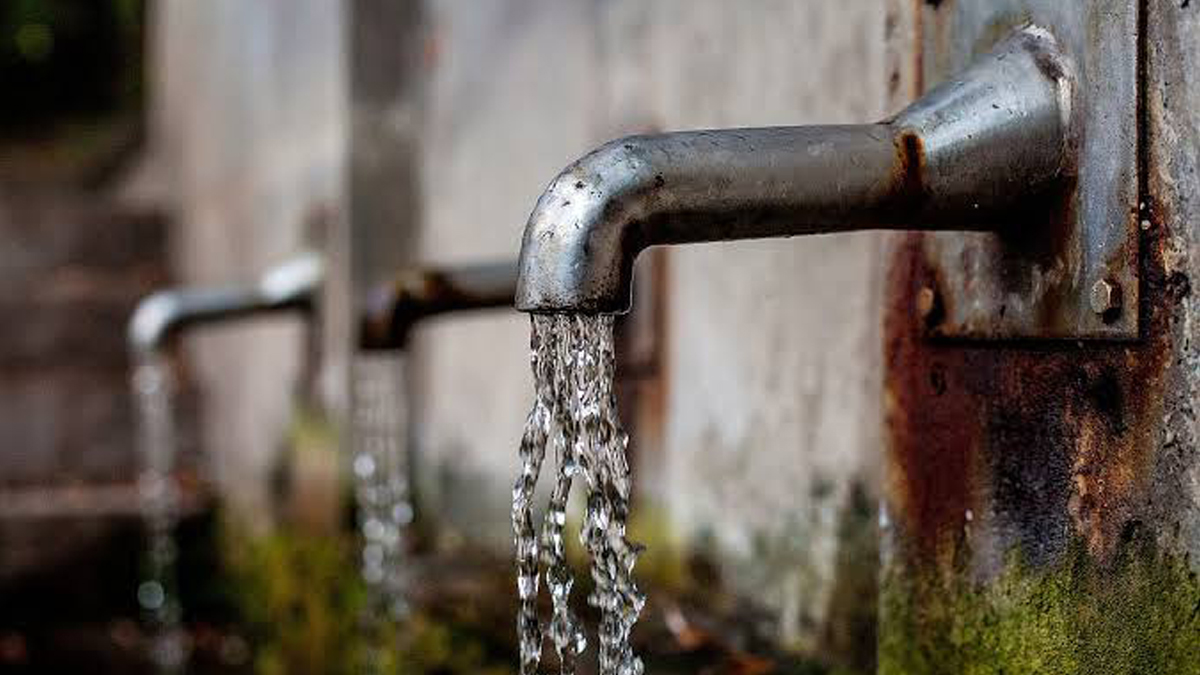
Bangalore homes get water from different sources. Take a glass of Cauvery water, borewell water, and tanker water and test the samples with a handheld TDS metre – you will see the main difference. This difference decides which water purifier you should choose. Cauvery water is soft, so it does not always need RO purification. Borewell water is hard, so it cannot solely rely on the UV or UF purifier. The quality of tanker water is hard to pinpoint, and it needs more attention when buying or choosing a water purifier rental. So, the water purifier that works for your flat in Koramangala may not be suitable for one in JP Nagar. You need to know why the water quality varies and how you should purify your water.
Why Does Bangalore Water Quality Vary from Home to Home?
There is no single source for water supply in Bangalore, and it is a main reason for varying quality. Most parts of the city rely on private tankers and borewell water, especially the budding layouts on the outskirts. The Bangalore Water Supply and Sewerage Board pumps treated Cauvery water from about 100 km away.
However, every source has its shortcomings.
Cauvery water has its risks, which show up after treatment. The water comes through old pipes and sumps before reaching your home. Borewell water is hard, and it can pick up minerals from the rocks underground.
How Should You Purify Every Water Source in Bangalore?
You should choose the best water purifier by matching it to the source. Every water source in Bangalore requires a different technology. Choosing the wrong purification method either wastes water or does not solve the problem.
How to Purify Tanker Water in Bangalore?
Purifying tanker water supply requires a multi-stage RO. The tanker still carries high sediment, variable TDS, and microbial contamination. A six- to eight-stage water purifier can handle changing TDS levels, so you will need an RO+UV+UF system. It should feature a post-mineraliser feature to add back calcium and magnesium that the RO purification strips away. Make sure to clean the sump – a water purifier with a tank full of silt can wreak havoc on the tank.
How to Purify Cauvery Water in Bangalore?
Cauvery water has low levels of dissolved solids; that’s why you do not need RO all the time. A UV+UF or UV unit can manage the bacteria and fine sediment that may seep through ageing pipelines. Usually, Cauvery water does not need RO. RO on soft water can remove essential minerals and send a share of litres down the drain.
How to Purify Borewell Water in Bangalore?
Borewell water needs an RO purifier as it carries high levels of TDS. Some pockets in Bangalore report nitrate or fluoride. The UV lamp cannot work on dissolved salts. You should check an RO unit that is rated for high input TDS. Make sure there is a sediment pre-filter in front. The white crust on your tap and kettle indicates the hardness of the water. And this is what chokes an RO membrane early.
What Happens When You Get Borewell and Cauvery Water?
When there is a water shortage, during the summer, some buildings mix Cauvery and borewell water in the same sump. The TDS level at the tap can vary from week to week. At such times, you can consider an RO unit with a TDS controller or mineral cartridge. This is how the water purifier deals with borewell water without flattening the taste.
How to Find Out What’s Coming from Your Tap?
You can use a handheld TDS metre to do a quick check. Low TDS readings refer to the Cauvery water supply. Higher readings usually come from borewell or tanker water. New areas are being connected to the piped Cauvery water supply in phases. So, ask the building owner to figure out what will feed the unit. If there is a risk of bacteria, nitrate, or fluoride, you should go for a lab test.
Should You Rent a Purifier for Varying Quality?
When you are yet to figure out how the water quality will vary throughout the year, renting a water purifier is a good option. Or if you know you will shift to another apartment, a rental may fit your situation. Some buildings can get tanker water, and some get Cauvery water. If the purifier breaks down due to overworking, the responsibility for repairs falls on the owner. Rental platforms such as Rentomojo include free repairs and maintenance. However, buying is suitable when you are in the same home for years.
So, Which Water Purifier Should You Get for Your Home in Bangalore?
When the TDS is above 300 ppm (which is common with borewell or tanker), an RO+UV unit is suitable for reducing hardness and salts. Cauvery water ranges between 120 and 200 ppm, and a UV+UF unit can be suitable for low-TDS water. Also, UV+UF purifiers do not send the water down the drain. However, this type of purifier has no effect on dissolved solids. If you are unsure whether you will move to another place or how the quality will vary, you can look for water purifier subscriptions instead of fully committing to buying. So, the main answer comes down to the water source.