MAM
How to Identify Gaps in Your Current Health Insurance Policy


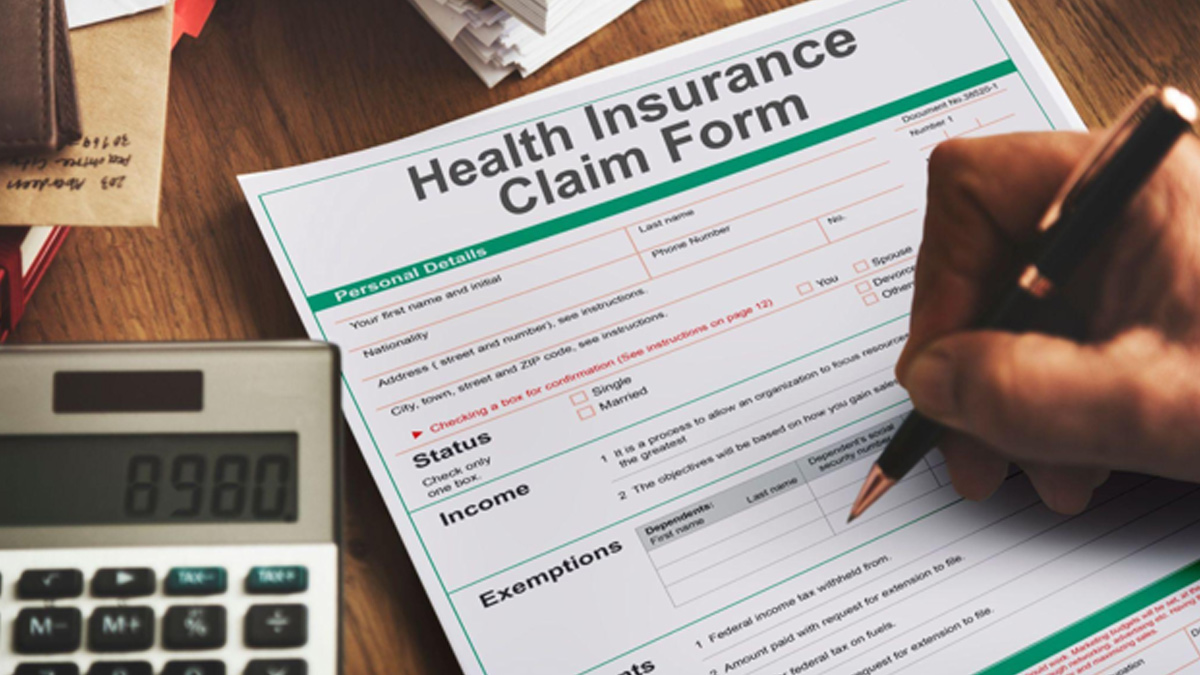
Health insurance can offer valuable financial support, but only when its terms match your present healthcare needs. A policy that felt suitable a few years ago may no longer reflect changes in age, family responsibilities, treatment preferences or access to hospitals.
Identifying gaps does not mean assuming the policy is inadequate. It means reading the documents carefully, understanding how each condition works and checking whether the available protection still supports the way you and your family may use healthcare.
Check Your Coverage
Begin with the policy schedule and benefit list rather than relying on a general understanding of the plan. Medical insurance plans can differ in the treatments, services and expenses they include, so confirm what your policy specifically provides carefully.
- Check inpatient, day care and home treatment benefits.
- Review pre- and post-hospitalisation expenses.
- Note whether outpatient or preventive benefits are available.
Review the Sum Insured
Your sum insured is the overall amount available for admissible claims during the policy period, subject to policy terms. Consider whether it remains suitable for every insured member today, particularly when several family members share one cover.
- Check how the cover is divided or shared.
- Review restoration or cumulative benefit conditions.
- Consider whether one major claim could reduce later availability.
Identify Policy Exclusions
Read the exclusions section alongside the benefit wording. This helps separate permanently excluded expenses from treatments that become eligible after certain conditions are met. Also check whether critical illness insurance is included, optional or completely separate from the base health policy and note any conditions attached.
- Note treatment-specific exclusions.
- Check non-medical expense conditions.
- Read all definitions linked to excluded events.
Check Waiting Periods
Waiting periods can apply to pre-existing conditions, listed treatments or particular benefits. The presence of cover does not always mean it is immediately available. Check the policy start date, continuity history and the remaining waiting period for each insured member.
- Identify benefits that are available immediately.
- Note conditions with time-based eligibility.
- Check how an increase in cover affects waiting periods.
Review Room Rent Limits
A room rent condition may affect more than the room charge. Depending on the wording, choosing a room above the permitted category may influence the admissible amount for associated hospital expenses during claims. Read the schedule and claim clauses together before admission.
- Check the eligible room category.
- Look for linked proportionate deductions.
- Confirm whether intensive care has a separate limit.
Check Co-Payment and Deductibles
Co-payment and deductibles decide how costs are shared during a claim. A co-payment generally requires you to bear part of the admissible claim. At the same time, a deductible applies before the policy starts paying, as defined in the policy under relevant claim conditions.
- Check whether these conditions apply to every claim.
- Review age, location or treatment-based clauses.
- Estimate your possible out-of-pocket responsibility.
Review Hospitalisation Benefits
Hospitalisation cover should be examined beyond the main admission benefit. Check the expenses connected with treatment before admission, during the hospital stay and after discharge, including whether they require an admissible hospitalisation claim. Day care and home-based treatment conditions may also matter.
- Review consultation, medicine and diagnostic expenses.
- Check ambulance and organ donor provisions.
- Note claim documents and notification requirements.
Check Critical Illness Coverage
A standard health policy and critical illness cover may work differently. One may reimburse admissible treatment expenses, while the other may provide a defined benefit after diagnosis of a listed condition, subject to its terms. Check what your policy actually offers.
- Review the list of covered illnesses.
- Check waiting and survival conditions.
- Understand whether the benefit is fixed or expense-based.
Review Cashless Hospital Network
A wide hospital list is useful only when suitable facilities are accessible near your home, workplace or frequently visited locations. Network status can also change, so confirm it directly before planned treatment or emergency care, specialised procedures and follow-up treatment whenever required.
- Search for nearby multispeciality hospitals.
- Check facilities for specialised care.
- Understand the pre-authorisation process and possible non-payable expenses.
Compare Coverage with Your Needs
Bring the policy terms back to your personal situation. Changes in family size, health history, city, work pattern or financial responsibilities may alter the kind of protection you need today. A gap becomes clearer when the policy is viewed against real requirements.
- List your likely healthcare priorities.
- Check whether every family member is appropriately covered.
- Review affordability alongside coverage quality.
Consider Upgrading Your Policy
Once gaps are identified, explore suitable ways to strengthen protection for the future. This may involve increasing the sum insured, adding an optional benefit, choosing a supplementary cover or moving to another plan at renewal, subject to applicable terms.
- Ask how continuity benefits will be treated.
- Check fresh waiting periods for added coverage.
- Read the revised schedule before accepting changes.
Conclusion
Finding a gap in health insurance starts with reading, not assumptions. Review the policy schedule, benefit wording, exclusions, waiting periods and cost-sharing clauses together carefully. Then assess whether the cover reflects your family, location, healthcare preferences and financial comfort. Where changes appear necessary, understand the effect on continuity, waiting periods and claim conditions before proceeding. Policy benefits and claim eligibility remain subject to the terms stated in the applicable documents.