Brands
How a Rs 40 crore Namibia deal rewrote the World Cup sponsorship playbook
As India shirt rights touch Rs 579 crore, e-commerce major opts for underdog visibility at a fraction of the cost

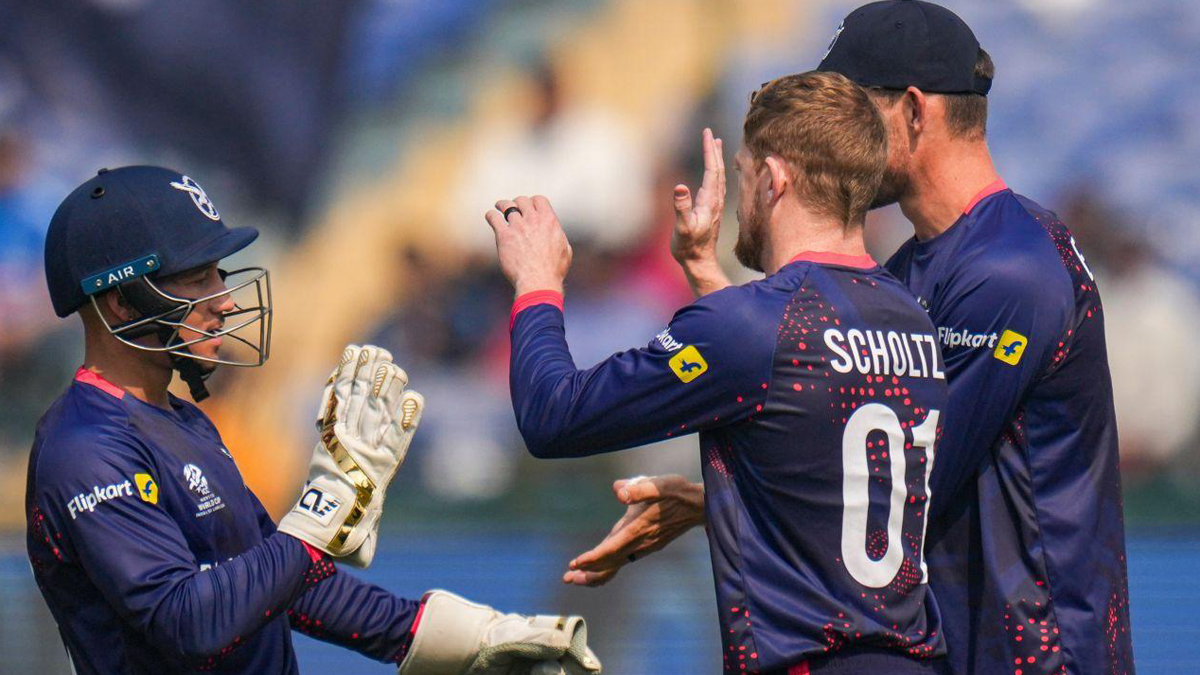
While Apollo Tyres secured the BCCI’s front-of-jersey rights for the India men’s team with a Rs 579 crore winning bid, Flipkart signed on as official team sponsor of Namibia for the ICC Men’s T20 World Cup 2026, in a deal industry sources peg at around Rs 40 crore.
The contrast is stark. The logic, less so.
Namibia sit in Group A alongside India and Pakistan, guaranteeing prime-time broadcast exposure in some of the tournament’s most watched matches between February 7 and March 8, 2026. For a fraction of the India-shirt cost, Flipkart secures repeated on-screen logo visibility during India fixtures, including games at marquee venues such as the Arun Jaitley Stadium.
Brand strategists say the move trades prestige for impact. Instead of competing for crowded, high-cost inventory around India, England or Australia, Flipkart has opted for cleaner, team-level ownership with a non-Test nation. The result is comparable exposure during India matches, but with far less logo clutter and far greater brand prominence on kits and official merchandise.
Under the agreement, the Flipkart logo will feature prominently on Namibia’s match jerseys and training apparel throughout the tournament. The company is designated official team sponsor, a rare choice for a large Indian consumer brand at a global cricket event.
Senior executives at Flipkart have indicated that the decision reflects a deliberate attempt to show up meaningfully at one of the world’s biggest sporting platforms without defaulting to headline-driven partnerships. With Namibia placed in India’s group, the brand gains access to the same audience base, comparable viewership and identical broadcast windows during India matches, positioning it at the centre of the tournament’s most-watched moments.
Media planners describe the strategy as less about cheaper media and more about smarter media. Associate teams, they argue, offer strong recall, repeated broadcast exposure and uncluttered brand presence at a fraction of the cost of sponsoring established cricketing powerhouses. The objective is not market entry into Namibia, but efficient access to Indian and global cricket audiences during peak attention windows.
The economics of mainstream cricket sponsorship underline the divergence. Apollo Tyres’ Rs 579 crore deal was 62 per cent higher than Dream11’s Rs 358 crore agreement in 2023. Canva reportedly bid Rs 554 crore, followed by JK Cement at Rs 477 crore, while Shankh Air and Dubai-based Omniyat did not proceed. Apollo’s winning bid translates to roughly Rs 4.5 crore per bilateral or ACC match and Rs 1.72 crore per ICC game, illustrating how steep the entry price has become.
Against that backdrop, a Rs 40 crore Namibia partnership begins to look less like thrift and more like arbitrage.
Industry observers say the move signals a structural shift in sponsorship thinking. Rather than chasing marquee associations for symbolic value, brands are identifying “value pockets” within premium intellectual property, seeking high-impact participation without paying top-of-market rates. The underdog narrative further strengthens the play. Namibia’s recent competitive performances and giant-killer reputation create a storyline around resilience and disruption that aligns neatly with a consumer brand positioning built on value and scale.
Flipkart has complemented the on-ground presence with an integrated digital push spanning storytelling content, fan engagement initiatives and social-first campaigns, amplifying on-screen exposure with earned media. The curiosity factor, why an Indian e-commerce heavyweight is backing Namibia, has itself generated organic buzz.
As Namibia take the field, marketers and media buyers will be watching closely. If broadcast visibility holds and recall metrics follow, the template could reshape how Indian brands approach global cricket properties.
In an era of Rs 579 crore headline deals, Flipkart’s Rs 40 crore wager suggests the smarter money may lie not in buying the biggest jersey, but in finding the most undervalued spotlight.






