Brands
House of Bindu’s new film celebrates legacy of Bindu Fizz Jeera Masala as it readies for Pan India launch


MUMBAI: House of Bindu announced the launch of its new corporate film, which celebrates the vision of its founder, Sathya Shankar, the impact it has had on the society and other stakeholders, and their successful business journey towards becoming a Rs 800-crore enterprise today nurturing a dream to be a pan-India food and beverage company.
Rooted in the entrepreneurial vision of Sathya Shankar, SG Corporates has evolved from humble beginnings in 1987 to a diversified FMCG powerhouse. From starting as an auto rickshaw driver to launching Bindu Mineral Water in 2000, the brand’s journey mirrors India’s own consumer evolution—where trust, tradition, and taste drive loyalty.
By setting up his first plant in the town of Puttur, in southern Karnataka, in 2000, Mr Sathya Shankar, the Chairman and Managing Director of SG Corporates, aspired to create jobs for the local community and improve their lives.
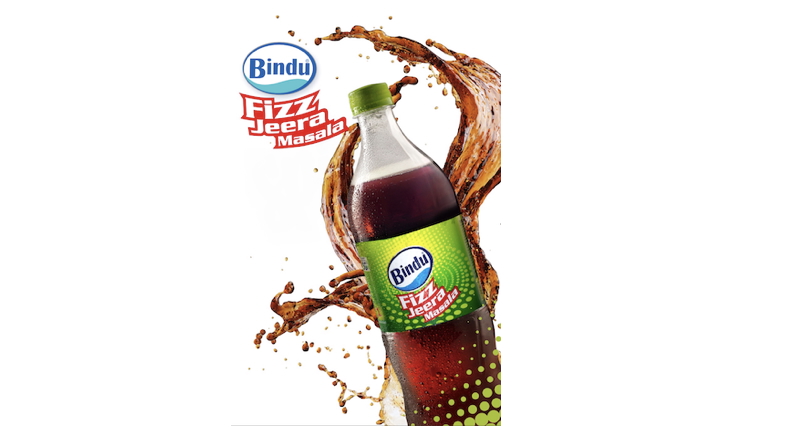
“We are one of the first brands to introduce ethnic flavours where there are far too many foreign flavours,” says Megha Shankar, director-marketing and strategy, SG Corporates which has House of Bindu as the FMCG arm. The company started with Bindu Fizz Jeera Masala, which has become the most loved carbonated ethnic beverage in the South. The brand now includes a range of beverages with ethnic flavours and fruit-based drinks in its portfolio.”
Building on this success, House of Bindu is now targeting the national market, with a high-impact rollout across Uttar Pradesh, Bihar, West Bengal, Maharashtra, Gujarat, Rajasthan, Punjab, and the Delhi-NCR region. House of Bindu has set itself an ambitious revenue goal of Rs 1,000 crore over the next 3 years, by leveraging more than 5 lakh retailers. “We are now set to expand nationwide, introducing our much-loved Bindu Fizz Jeera Masala to a wider audience while staying true to our roots. Our focus is bridging tradition with innovation to make the brand relevant for today’s Gen Z and millennial consumers”, Megha added.
The company has two more production units in Sangareddy, Telangana, and a state-of-the-art manufacturing unit in Visakhapatnam to cater to its nation-wide customer base, and a digital-first approach is important to raise awareness about the brand’s legacy.
PivotRoots co-founder & CCO, Hetal Khalsa, maker of the film mentioned, “We are excited to collaborate with Bindu and bring its legacy to a larger audience through strategic storytelling and digital innovation. Our goal is to reshape perceptions, deepen consumer engagement, and position Bindu not just as a beverage but as an essential part of everyday moments across India and this film is the 1st step towards that.”
Having started with just 15 employees, who continue to work even today, they now have 2,500 direct employees, and 7,000 to 8,000 indirect employees. The positive impact that the company has had on the local community, especially by providing equal opportunities for women, has enabled it to strengthen its brand and position in the beverage market, and will continue to be critical in its national growth journey.”