MAM
Hike looks to strengthen teams with multiple hiring initiatives


Hike, India’s homegrown internet startup today shared its plans to continue hiring remotely as the ecosystem continues to navigate through a lockdown period. Working aggressively towards the launch & scale of its upcoming offering HikeLand, Hike plans to hire for over 20 open positions across roles in product, design, marketing, AI & ML, engineering, partner functions, and user research. Hike has also initiated virtual hiring events as part of its ZeroTo2 program focused on onboarding young talent from colleges. Amidst lockdown, Hike registered a surge of over 45% on inbound queries in Q2, 2020.
The start-up ecosystem in India is going through a challenging period resulting in some difficult organisational decisions. To play its part to support startup talent, the talent acquisition team at Hike is mapping and prioritizing the candidates facing job and salary cuts for its current hiring needs. Hike is working on launching a Social Recruitment Campaign as well to reach out to those facing job crunches in the coming weeks.
Anshuman Mishra, VP, Operations, Hike added, “While we face an unprecedented time as an ecosystem, we’re committed to our users in offering new-age social experiences. We aim to hire across teams through innovative remote initiatives as well as making efforts to reach out to talent in need of opportunities. Our DNA has always been to go after undiscovered talent who go on to become successful professionals and special initiatives focused on young talent like our ZeroTo2 programme. We have an incredible team at Hike who has adapted amazingly who continue to innovate & we’re looking forward to welcoming more Hikers to join this team”

Hike has also kick-started the second edition of its successful programme, ZeroTo2 designed to hire freshers and young talent including engineers with 0-2 years experience as Hike believes that young people are core to their team and understand & relate to the customer’s needs better. Hike’s customer base has typically consisted of users under the age of 24 which makes having young people on their team central to their values and culture.
Hike is using tech tools and infrastructure like Slack, Hackerank, Google Meet, and code pairing platforms for their recruitment drive. Hike also conducted its first-ever ZeroTo2 virtual hiring event receiving participation from over 78 candidates. Hike’s ongoing SDET remote hiring event is scheduled to be completed by the end of this week and has already received 400+ applications. Hike is tapping into graduating and alumni talent from leading institutions like IIT Kharagpur & Dhanbad, NSIT, DTU, IIIT Delhi, NIT Kurukshetra, and Thapar Institute of Engineering & Technology for their recruitment drives.




MAM
Beacon Group appoints Dr Rajesh Patel as Group CEO
36-year healthcare veteran to lead Beacon Diagnostics, Vector Biotek, Biogeny.
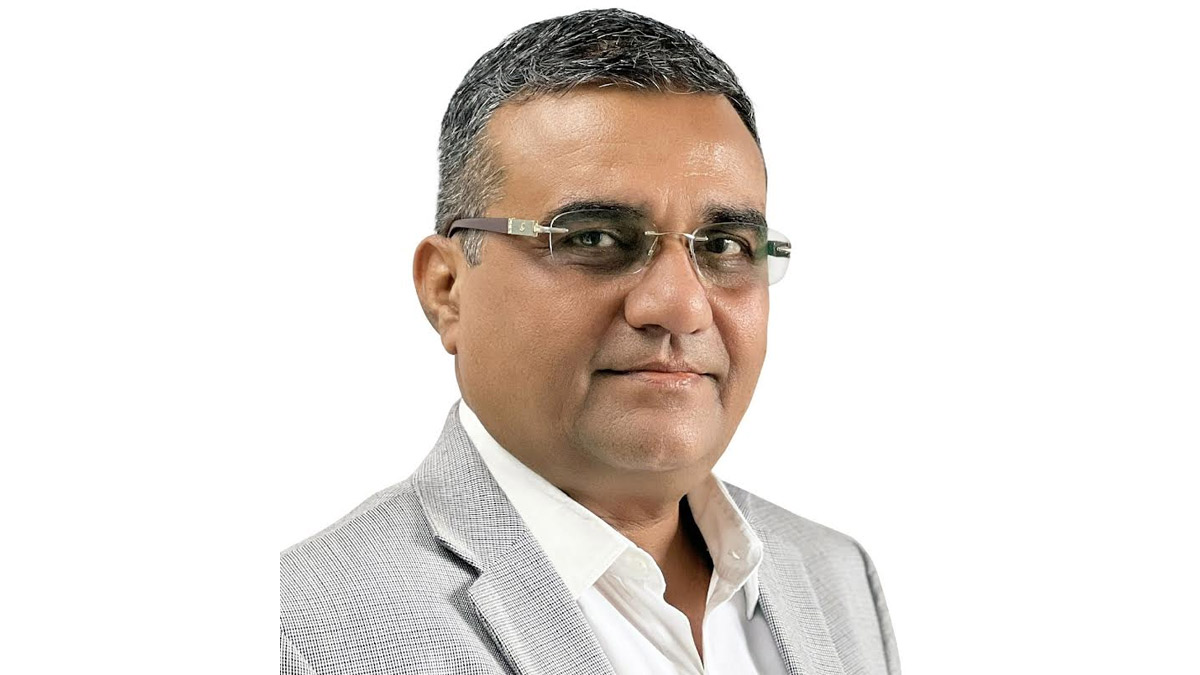
MUMBAI: A new chief, a fresh diagnosis and a sharper prescription for growth. Beacon Group has appointed Dr Rajesh Patel as its Group Chief Executive Officer, effective April 1, 2026, signalling a decisive push to scale its presence in the diagnostics and IVD space. Patel steps into the role with 36 years of experience across the healthcare and diagnostics industry, bringing a career shaped by leadership roles spanning sales, marketing, business development and operational strategy. His mandate is both expansive and precise: to steer the group’s overall strategic direction while tightening coordination across its three core entities Beacon Diagnostics, Vector Biotek and Biogeny Diagnostics.
In practical terms, that means driving cross-company synergies, accelerating market expansion and strengthening organisational capability areas increasingly critical as diagnostic players compete for scale in a fragmented yet rapidly evolving healthcare ecosystem. The group is positioning itself to capture unmet demand across chain laboratories, key accounts and standalone labs, segments that remain underserved despite growing diagnostic needs.
The appointment comes at a time when the In Vitro Diagnostics (IVD) sector in India is entering a more competitive and innovation-led phase, with companies focusing not just on product pipelines but also on service delivery, integration and customer-centric models. Beacon’s leadership appears to be betting that Patel’s execution-focused approach can help translate ambition into operational momentum.
Welcoming the appointment, Chairman Dr D K Joshi described Patel’s induction as a strategic move aligned with the group’s long-term vision, emphasising the role of leadership depth in navigating the next phase of growth.
For Beacon Group, the message is clear, in a sector where precision matters, leadership is the new differentiator—and this appointment is intended to set the tone for what comes next.






