Brands
HDFC Bank tops the BrandZ Top 50 most valuable Indian brands 2014

MUMBAI: Before the FIFA World Cup commenced in Brazil, several concerns were raised about its execution and other related issues, however when it started, all those concerns were laid to rest as the world experienced a strong tournament both on and off the field.
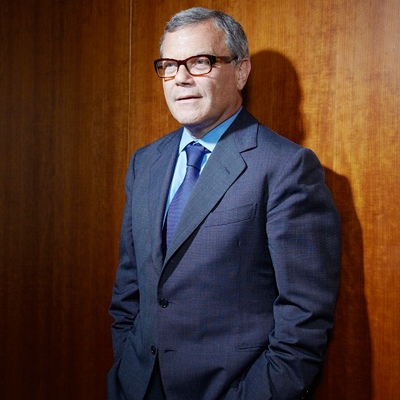
With this example, WPP CEO Sir Martin Sorrell, while speaking at the launch of ‘Brandz Top 50 Indian brands’ emphasised on the importance of one. Highlighting the potential of the Indian market, Sorrell said that the worldwide advertising spend and revenue have remained constant and in mature markets it is not growing as rapidly as it is in fast-growing markets like India.
With $500 million revenue from India, the conglomerate believes that the country has grown strongly for WPP and predicts a positive future as well, especially with the new government.

After nine long years, the BrandZ valuations rankings, commissioned by WPP and carried out by Millward Brown, has finally entered the Indian market.
In its debut year, the top 50 most valued bands report was unveiled in a glittering night in the presence of the media and corporate stalwarts by none other than Sorrell.
 |
The list which includes the various sectors ranks HDFC Bank as the most valued brand in the banks category with the brand value of $9,425 million, followed by Airtel in telecom with $8,217 million. At the third position is once again a bank, State Bank of India, with $6,828 million brand value.
The top 10 consisted of banks, automobiles, telecom industry with just one from the paint category, Asian Paints at number six with $2,812 million brand value.
The research agency claims to be the only global rankings study that uses a unique brand valuation mechanism that combines officially released financial data and consumer-driven brand equity measurement to calculate brand value.
“There is no other valuation which is statistically as rigorous as Millward Brown’s approach. Others lack the rigour and the credibility which BrandZ has,” said Sorrell while adding that the group has the global data and it was about time to tap the regional markets as well given the importance of the BRIC (Brazil, Russia, India and China) countries.
The model of Brandz was thought of by Sorrell in 2006 with the vision of a common framework that will enable understanding of how brands work and help everyone in the WPP group. It would also help the group understand the relationship brands have with consumers and help it service its clients.
“The methodology is different and much more reliable, consistent and credible”, said Sorrell. Globally, the BrandZ study covers two million consumers and more than 10,000 different brands in over 30 countries, in India it was more than 25,000 consumers, 500 brands in 37 categories.
The ranking combines rigorously analysed financial data from Bloomberg and Kantar Worldpanel with consumer opinions gathered from Indian consumers. “The core of the data comes from interviews with consumers and what relationship brands play with them,” added The Store CEO David Roth highlighting the big data collected by it.
The brands valued in the report had to meet the eligibility criteria: of being owned by a company which is publicly traded in India, reported positive earnings and derived at least 25 per cent of revenue from retail business. The report that includes the MNCs trading in the country also spoke to rural consumers.
Explaining the mathematics behind it, the Millward Brown MD south Asia Prasun Basu said that what makes the brand value is the financial value of a company along with the brand contribution for the consumers.
The stronger the relationship a brand can build with consumers in its category and the more it can leverage that scale, the more profitable and sustainable it becomes, highlights the study while elaborating the key takeaways from it to help brands grow.
One of the most important takeaways is that a brand needs to be meaningful to its consumers and be able to differentiate itself through its services. For example, the 70 year old brand, Colgate, has remained relevant and continues to differentiate itself from the competition.
Also, one needs to have a perfect balance between brand equity and financial value to drive it.
Examples like McDonalds tell how international brands have taken an understanding of Indian needs and tastes and adapted to it. “India has evolved into a powerhouse where premium as well mass brands survive and the story will only grow stronger,” said Basu.
With the middle class and disposable income growing, the conglomerate sees a massive growth potential in the country. “After a year or two, we might take the list to top 100!” concluded an optimistic Sorrell.






Brands
Davidoff appoints Ahaan Panday as first Brand Ambassador for India
Actor to front new chapter as brand launches Cool Elixir fragrance.
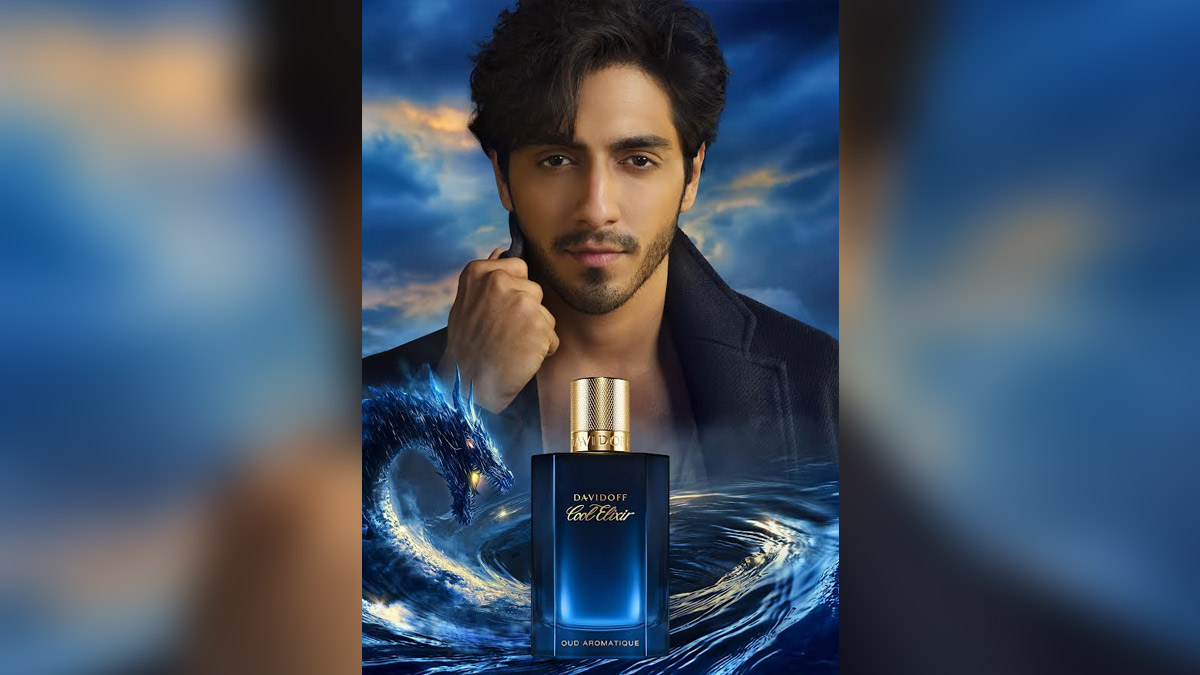
MUMBAI: Davidoff has just found its perfect new splash in India and he comes with star power and a cool, confident vibe. The iconic Swiss fragrance house has announced actor Ahaan Panday as its first-ever Brand Ambassador for India, marking a significant milestone in the brand’s journey in one of its most dynamic markets. Ahaan Panday, known for his fresh energy and strong connect with younger audiences, embodies the modern Davidoff man self-assured yet carefree, ambitious yet grounded. His appointment aligns perfectly with the brand’s “gentleman adventurer” philosophy of adventure, refinement, and living life with intensity.
Sharing his excitement, Ahaan said: “Davidoff is one of those brands I’ve always associated with memories growing up. Cool Water was probably the first perfume I ever tried. To now be named Davidoff’s first Brand Ambassador for India feels incredibly special. I’ve always seen Davidoff as a symbol of confidence and staying true to who you are.”
The collaboration coincides with the launch of Davidoff’s latest global fragrance, Cool Elixir: The New Oud Treasure. This bold composition reinterprets freshness with depth and intensity, featuring a noble oud accord layered with lavandin absolute and rose oxide.
For decades, Davidoff has enjoyed cult status in urban India. With Ahaan Panday now leading the charge, the brand is set to strengthen its cultural presence and connect with a new generation of fragrance enthusiasts through a more contemporary and relatable voice.
In the competitive world of luxury fragrances, Davidoff has made a splash by choosing a young, authentic Indian talent to carry its legacy forward. Expect the scent of success — because when Ahaan Panday teams up with Davidoff, the fragrance game in India is about to get even cooler.







