MAM
Havas Media Singapore’s Melvin Lim is new APAC CCO; Jacqui Lim to replace him


MUMBAI: Havas Media has elevated its current CEO of Singapore Melvin Lim to the newly created role of Chief Commercial Officer (CCO) for Havas Media Group, Asia Pacific.
Jacqui Lim, the current MD of Singapore operations, will take over as the CEO of Havas
Media Group, Singapore.
In the new role, Melvin will be responsible for regional business development across all brands of Havas Media Group, including Havas Media, Arena Media and the specialist brands: Socialyse, Ecselis, Mobext and Affiperf.

In addition to the CCO role, he will continue to be the regional lead for Havas Sports & Entertainment, a concurrent role he took over in 2014.
Melvin joined Havas Media in 2011 and is credited with not only exponentially growing the Singapore operations but also transforming the agency into one of the most respected and competitive agencies in the country.
Commenting on the promotions, Havas Media Group, Asia Pacific, CEO Vishnu Mohan said, “Our Singapore operations has grown from strength to strength under Melvin’s leadership and we were keen to utilise his strong business acumen at a regional level. The role of Chief Commercial Officer is a natural fit for him given his background as a marketer, his experience with the network and his relationship with the wider global and local teams. I am confident that Melvin will be big asset to the regional team.”
“Jacqui is a natural leader and has more than proven her credentials for taking on a bigger role. She is a new business star, a talent magnet and a strategic thinker. I have no doubt that she will lead our Singapore operations to new heights of success,” added Vishnu.
Prior to joining Havas Media, Melvin was Head of Marketing for DBS Consumer Bank in Singapore where he led and managed all of DBS’ and POSB’s marketing programmes. Before this, Melvin spent four years as Deputy Director, Consumer Marketing at Singtel and
10 years with Asia Pacific Breweries, where he developed his foundation in Marketing and
Brand Management.
Jacqui joined Havas Media as Managing Director in October 2014 after having spent six years in ZenithOptimedia. In her previous role, she was Executive Director, General Manager, followed by Managing Director of the Singapore office. She was pivotal in leading and winning the Changi Airport Group pitch in 2013 as well as the Asia Pacific Breweries pitch in 2010.







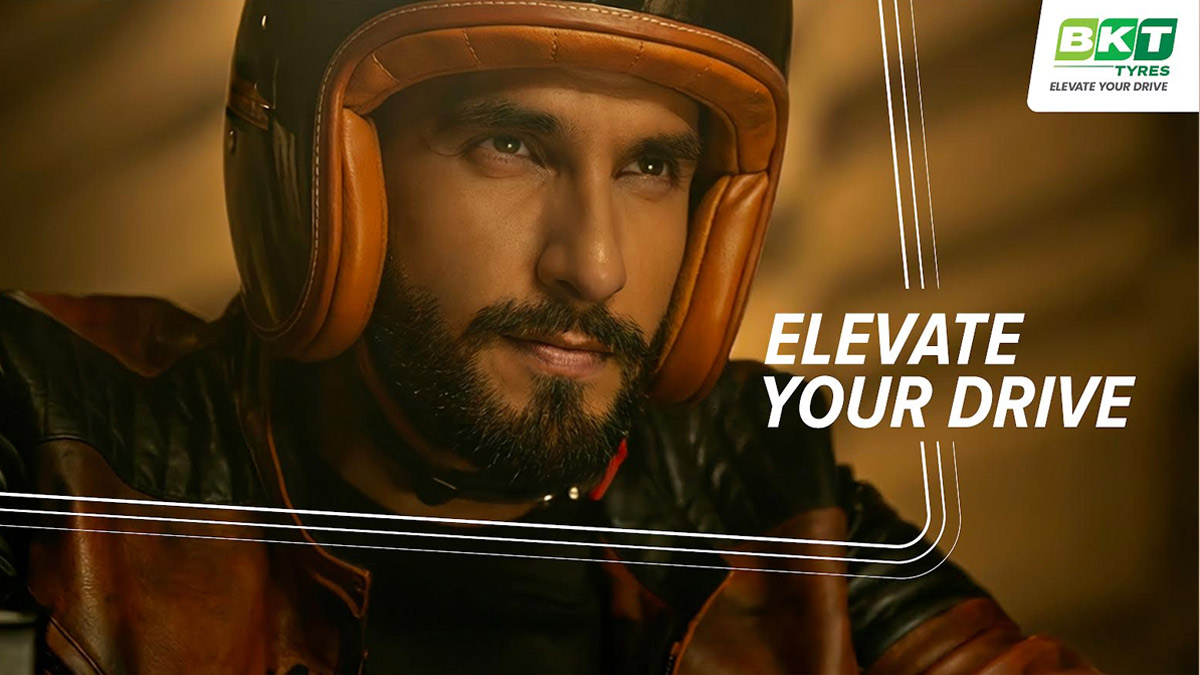
MUMBAI: BKT Tyres has decided to roll into the two-wheeler world with some serious jurrat and it’s brought Ranveer Singh along for the ride. The off-highway tyre specialist has unveiled its new campaign, ‘Jurrat’, marking a strategic push into India’s massive two-wheeler segment. The high-energy TV commercial, featuring brand ambassador Ranveer Singh, debuted on 3 April 2026 during the Indian Men’s T20 League 2026.
The campaign revolves around the core belief that true confidence on the road comes from dependable performance beneath you. ‘Jurrat’ (meaning courage) captures the mindset of riders who navigate dynamic and often unpredictable daily commutes with determination. It brings BKT Tyres’ brand philosophy ‘Elevate Your Drive’ into the two-wheeler space by spotlighting three key product benefits: long life, exceptional road grip, and unmatched comfort.
BKT Tyres chief marketing officer for India Mahesh Koppad said, “India’s two-wheeler segment reflects the way the country moves, works, and progresses every day. ‘Jurrat’ highlights how performance-led tyres, engineered for long life, comfort, and grip, enhance the overall riding experience and support uninterrupted progress in everyday life.”
The campaign is being rolled out across television and digital platforms with high-impact placements to ensure maximum reach and engagement.
This launch represents BKT Tyres’ calibrated expansion from its stronghold in off-highway tyres to becoming a more holistic mobility brand, addressing the everyday transportation needs of millions of Indian riders who rely on motorcycles and scooters as their primary mode of transport.
In a segment where confidence is everything, BKT Tyres is betting that a combination of bold celebrity appeal and strong product performance will help it gain serious traction on Indian roads. The campaign signals that the company is ready to move beyond its traditional turf and accelerate in the fast-paced two-wheeler market.






