MAM
Happy mcgarrybowen appoints Mani as ECD & Madhavdas as SVP
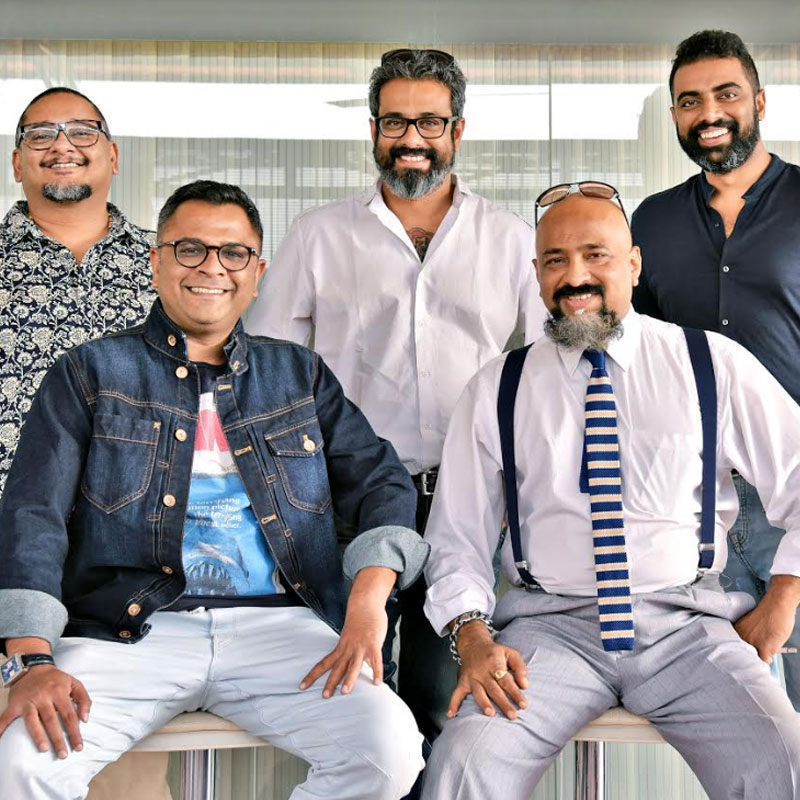
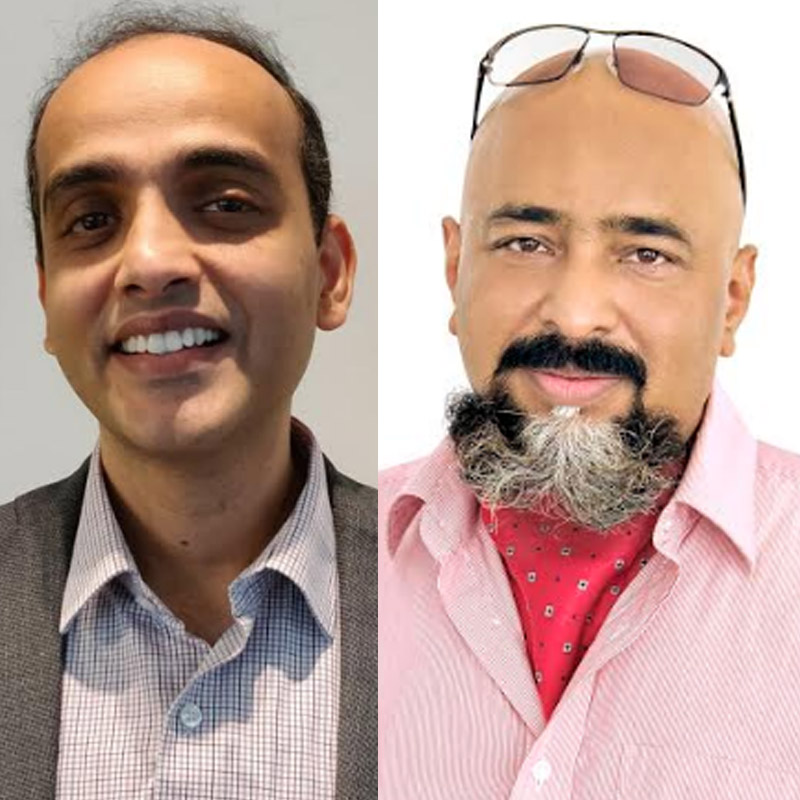
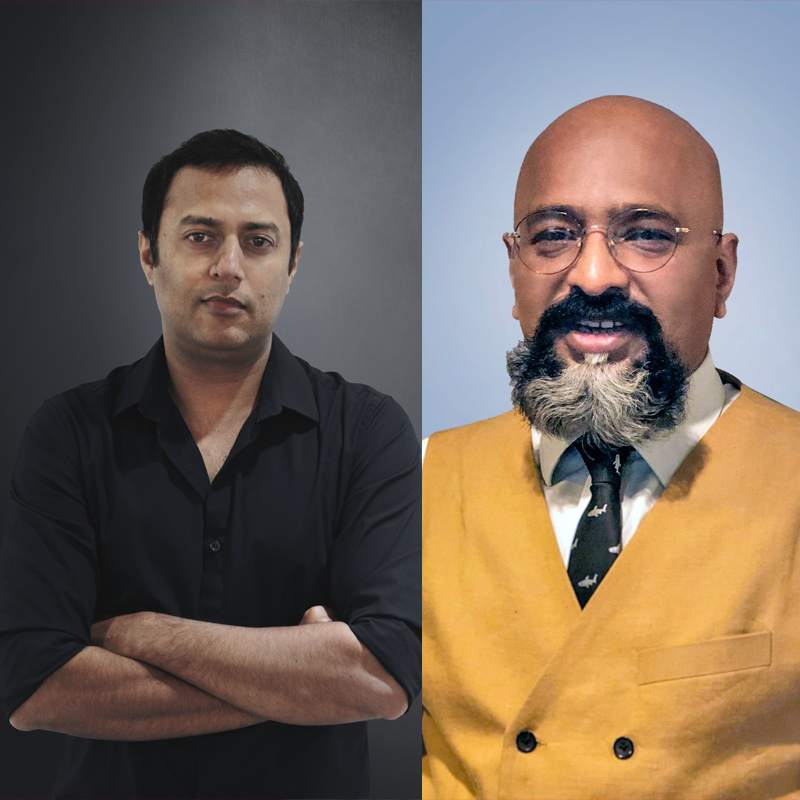
MUMBAI: Happy mcgarrybowen, the creative agency from Dentsu Aegis Network, has added creative and account management muscle in the team with the appointment of Rajesh Mani and Kunal Madhavdas as the agency’s first ever ECD and Sr. VP respectively.
Armed with over 18 years of rich experience across agencies like BBH, Ogilvy, Leo Burnett and Commonwealth, Rajesh arrives at Happy to take up the Executive Creative Director role.
Kartik Iyer, CEO, Happy mcgarrybowen, said, “Creative leadership is not just about the talent but more about having the maturity to nurture ideas. In Rajesh we found the natural energy to further that culture.”
Having worked on many landmark campaigns, such as Vodafone’s Blackberry Boys, The Zoozoos, Lenovo’s Sumo film, many noted pieces on Marico, Chevrolet, Bajaj, Titan and more, Rajesh will head a few of Happy mcgarrybowen’s prime accounts – Ola, Suzuki and Jabong.
Mani said, “The decision to join here felt like a natural progression. The mandate was simple and clear; to keep the creative flag flying high and that’s what I aim to do.”
Meanwhile Kunal Madhavdas landed at Happy mcgarrybowen after stints at Lowe Lintas, JWT and McCann Erickson in a career that is 14 years in the making. Having overseen multiple blockbuster campaigns for Flipkart, TVS, Myntra, Fastrack, Britannia, Tata Tea, bagging multiple Effies and a couple of AME’s in the process, Kunal joins as Senior Vice President, working closely with Kartik Iyer and Samarjit Choudhry, COO, Happy mcgarrybowen.
Madhavdas commented, “The intent and the capability to crack and execute integrated campaigns that work effectively across mediums is something most brands look for in their advertising partners today. Happy mcgarrybowen has consistently done that. I can sense happier times ahead, so keep watching!”
The new hires mark a distinct upsurge in direction and ambition from Happy mcgarrybowen on its tenth anniversary and serves as another example of how the agency is investing heavily in the finest talent in India to deliver the best for its clients.
Samarjit Choudhry, COO, Happy mcgarrybowen, said, “With Kunal and now Rajesh, we have people who come from the same mindset.”

Brands
Airtel, Jio, Vi quietly raise tariffs with tweaks ahead of major hike
Airtel, Jio and Vi test subscriber response with subtle plan changes
NEW DELHI: India’s top telecom operators, including Bharti Airtel, Reliance Jio and Vodafone Idea, are quietly reworking their prepaid plans in what appears to be a calculated run-up to a broader tariff hike expected later this year.
Rather than announcing headline-grabbing price increases, the operators are opting for subtle tweaks that are less likely to trigger immediate consumer backlash. Industry observers describe this as a “testing the waters” approach, where small changes help gauge subscriber sensitivity while gradually improving revenues.
Among the most visible moves is plan pruning. Airtel has discontinued its popular Rs 799 pack, widely seen as a high-value offering, while nudging up the price of its Rs 859 plan to Rs 899. The changes may seem marginal, but across millions of users, they translate into meaningful revenue gains.
Reliance Jio, on its part, has taken a sharper route by slashing the validity of its Rs 195 plan from 90 days to just 30 days. The price remains unchanged, but the value per day has dropped steeply, effectively raising costs for consumers without altering headline tariffs.
Meanwhile, Vodafone Idea is restructuring its “NonStopHero” packs, limiting unlimited data benefits to night hours in several circles. The move trims usage flexibility while keeping plan positioning largely intact.
Another common tactic is bundling. Operators are increasingly pairing plans with OTT subscriptions such as streaming services, framing price adjustments as value additions even when the core offering remains largely unchanged.
The broader goal behind these moves is to lift ARPU (Average Revenue Per User), a key profitability metric in the telecom business. Airtel is targeting an ARPU of around Rs 300, up from roughly Rs 250, while Jio is under pressure to demonstrate stronger revenue growth ahead of a potential IPO. For Vodafone Idea, the urgency is more immediate as it seeks higher cash flows to fund 5G expansion and manage outstanding dues.
Industry estimates suggest that these incremental changes are a precursor to a larger, industry-wide tariff hike of 15 to 20 per cent, likely towards the end of 2026. The delay in announcing a full-scale increase is partly due to macroeconomic concerns, including inflation and volatile fuel prices, which could dampen consumer sentiment.
The push to monetise 5G is also gathering pace. After investing more than Rs 3 lakh crore in next-generation networks, operators are expected to gradually phase out free 5G data and reposition it as a premium service.
For consumers, the impact is already visible in small but steady increases in monthly bills. For telcos, however, this is a carefully choreographed build-up, easing users into higher spending before the bigger pricing reset arrives.