MAM
Gulzar’s Aamchi Mumbai looks beyond the city’s romanticised image
At Godrej Literature Live! The Mumbai LitFest, the poet reflects on migration, change and belonging


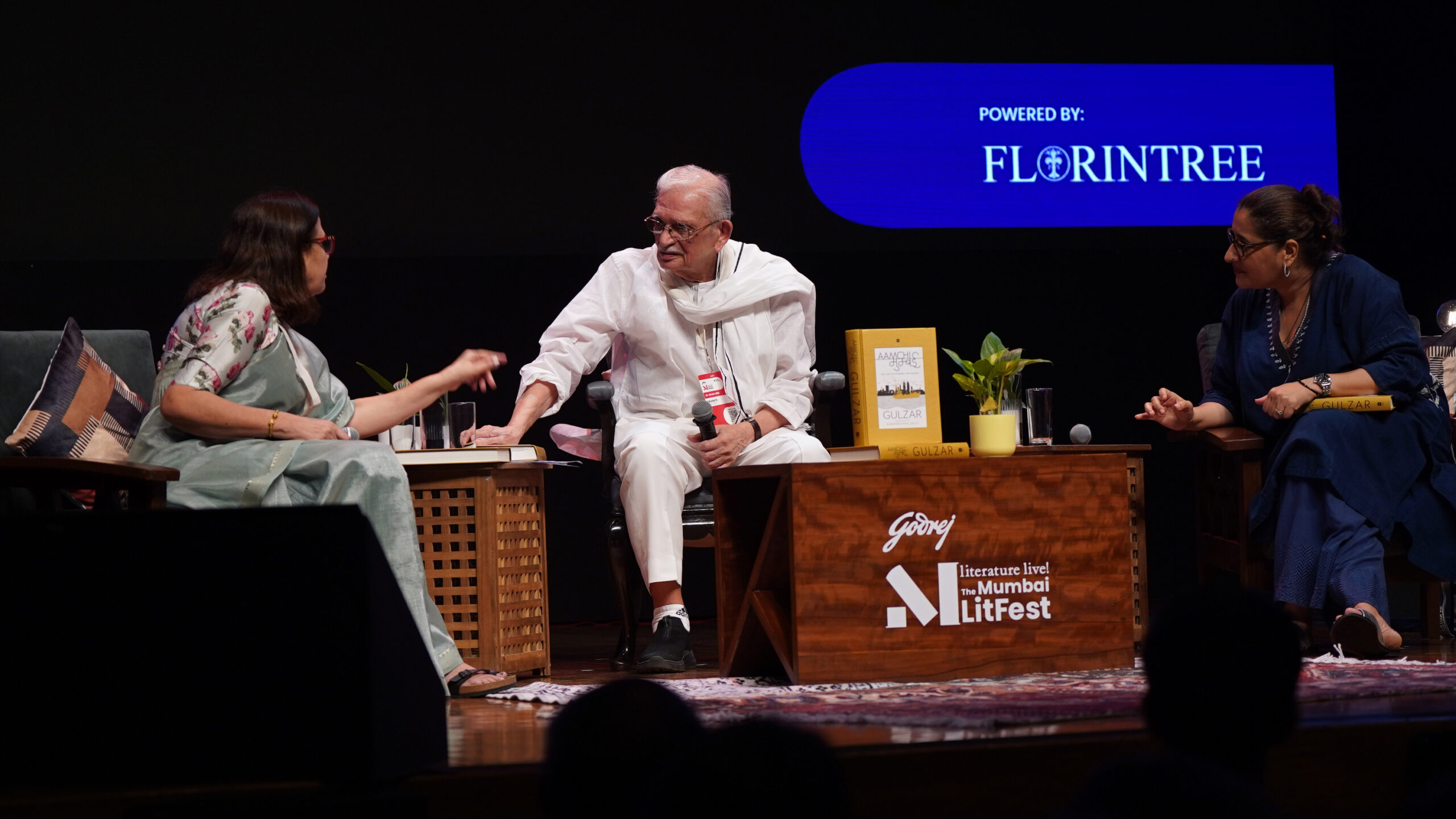
MUMBAI: Mumbai has shaped Gulzar as much as he has captured the city in his poetry. At Godrej Literature Live! The Mumbai LitFest 2026, the legendary poet returned to the city’s stories, its changing identity and its people, offering a portrait that went well beyond familiar romantic images.
In a session titled Ek Shayar Iss Sheher Mein: A Poet’s Love Letter to His City, Gulzar read from his new book, Aamchi Mumbai: My City in Stories and Poems. Written in Urdu and translated into English by scholar and translator Rakhshanda Jalil, the volume brings together poetry and stories inspired by his long relationship with Mumbai.
The conversation, chaired by screenwriter and lyricist Kausar Munir, ranged from the city’s seasons and changing character to the realities of migrant life.
Explaining the title, Gulzar recalled the slogan that emerged during the debate over Maharashtra’s capital and the language-based identity of the state: “Mumbai konachi?” The response was “Mumbai aamchi”.
“That’s why I selected the word ‘Aamchi’. It was a slogan, but I took part with Bombay, this city is my partner. This is why ‘Aamchi Mumbai’,” he said.
For Gulzar, writing about the city is also an exercise in acknowledging how both the observer and the observed change over time.
“I have learnt and changed with Mumbai. We have changed Mumbai also. I have tasted the salt in Mumbai’s air. Agar namak chakh liya hai, toh aapki cheezein bhi namkeen ho jaati hain. Bahar bhi ghoomte hain toh log bhi namkeen lagte hain,” he said, describing the book as a homage to the city’s distinctive flavour.
He also spoke about the role of observation in his writing. “Whatever I see is related to life. So, to feel it and reach it, I personify and humanise my observations,” he said.
For Jalil, translating Gulzar’s work means recreating more than its words. His imagery, distinctive voice and whimsical, childlike quality make the task particularly demanding.
“His voice is very distinctive,” she said, noting that capturing its essence requires more than craft or vocabulary.
Munir highlighted the political and social undercurrents in the book, pointing to its engagement with socialism, realism, environmental concerns and political consciousness.
“This new work isn’t just a romantic love letter to the city. There is a truth to it, there is a lived reality to it rather than a romanticised version of Mumbai. He doesn’t see the city only through rose-tinted glasses,” she said.
Through Aamchi Mumbai, Gulzar presents a city that is not merely a backdrop for romance, but a place shaped by migration, change and everyday life. The book’s portrait reflects the complexity of a metropolis that continues to evolve alongside the people who call it home.