Ad Campaigns
Guest Column: Think globally, advertise locally: The key to reaching local customers

Mumbai: Although an American brand, Colgate is the only brand in India purchased by more than half of all households. Another interesting fact about the brand is that even though Colgate products target the mass population, the middle class is where most of its sales come from. Colgate’s understanding of the target market and developing region-specific marketing strategies are among the many driving forces behind its success. To give you a perspective, Colgate uses Bollywood celebrities for advertising in North & West India and Tollywood celebrities for South & East India. Not only that, when promoting online, the brand uses region-specific influencers to attract gen z. Why so? In this highly developed era, brands like Colgate, Coke and Hero Honda understand that the non-metros relatively rule the Indian economy. Hence, they build their promotion strategy in a way that suits the needs and requirements of tier two and three consumers.
As a marketer, one needs to do more than what Colgate does. In order to get through, brands need to get even more vernacular. This is particularly true in India, which is home to over 120 officially recognised languages and more than 19,000 dialects. However, promotions in tier two and three cities have become the biggest challenge to marketers today, who have to skillfully communicate with a much larger but scattered audience characterised by language, culture, and lifestyle variations. Brands have to adopt the principle of multinational companies, i.e., think global, act local, and understand that people cannot be influenced by faces they don’t relate to. Therefore, brands must have a localised marketing/promotional strategy targeting regional audiences to reach local customers.
Here is how it can be achieved ~
Speak the language of your customers
In India, reaching local customers is only possible by vernacular word-of-mouth marketing. The ingredients to a perfect regional marketing strategy are discovering your local market and understanding your customers and their community. This includes deploying region and language-specific social media campaigns featuring local ambassadors and connecting with their peers. Another suitable option is being updated with the traditions and values of mass consumers and planning the marketing strategies accordingly. Until you know who you are catering to, you will not be able to sell properly. Take the example of Bisleri, which carries the brand name in both English and local languages to ensure that the end consumer gets Bisleri and does not mistake any other brand for Bisleri.
The unsaid power of word-of-mouth marketing
A brand’s region-specific customer advocate is more likely to influence the people within their region than a ‘one face for all’ celebrity campaign. This is because people trust the opinions or recommendations of an “insider” over a popular face telling them what to do. Marketing strategies in tier two and three cities are most effective when personal selling is involved. As in the case of Hero Honda, they appointed regional sales representatives to go to the major areas and talk with the people and tell them the benefits and features of the bikes. Such a strategy not only builds relationships and trust but also organically enables word-of-mouth marketing.
User-generated content
Due to initiatives like Digital India, small towns in the country now have access to the internet and are consuming content via social media. It has also led consumers to become increasingly savvy about the tactics marketers use to reach them and they can quickly tell organic from paid. Brands can instead leverage the online presence of potential local consumers through targeted user-generated content and incentivise local advocates to create content that will gain the traction of local audiences and direct them toward the brand’s social media page.
Celebrities vs local brand advocates
Certain connotations get associated with a brand when a celebrity endorses it. For example, people perceive that since a rich celebrity promotes the brand, it must be expensive or not readily available in their small town. However, when a localite endorses the same brand, the result is the stark opposite. Since the customers and the promoter are of the same socioeconomic level, the phrase “If he/she can do it, so can I” works its magic. It pushes potential customers to try out the brand at least once, and after a good customer experience, they join the chain of word-of-mouth, bringing in more customers. Another example from the pages of Hero Honda’s marketing strategy is based on building relationships with people who have a strong influence in the area, such as teachers, doctors, etc., to advocate for them.
In the mistrust society, word-of-mouth is an easy, effective, and quick way to gain the trust of local customers. They are naturally inclined toward listening to and making a purchasing decision based on the genuine feedback of local brand advocates. The flexibility and adaptability of word-of-mouth marketing can get your brand in front of a broader local audience. The age-old tradition of increasing business by word-of-mouth is the way to reach locals in India’s tier two and three cities. The simplicity and community-oriented approach of word-of-mouth make it the best practice to attract local customers.
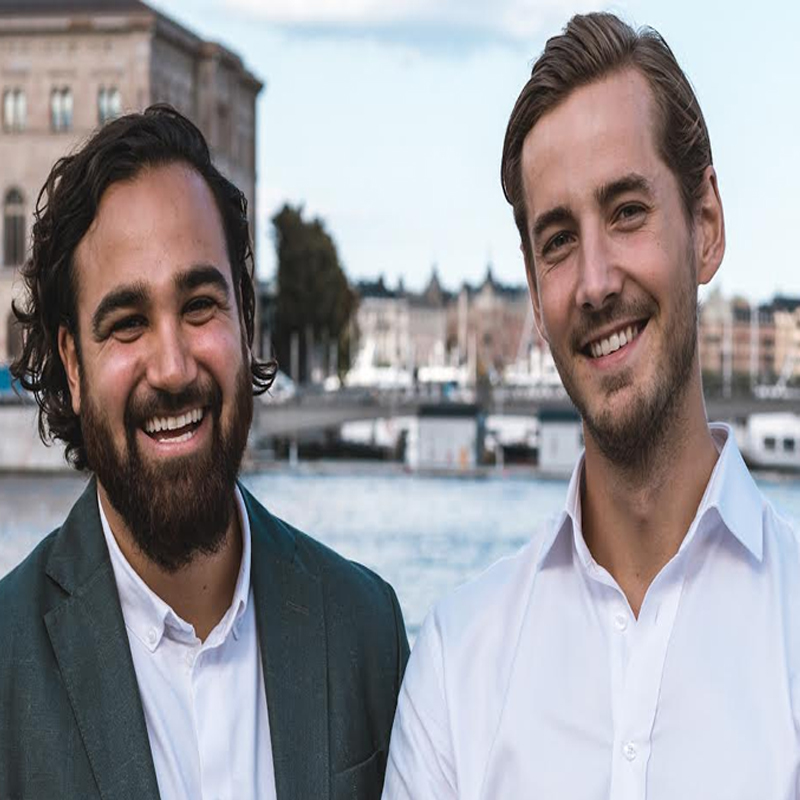
The author of this article is Brandie co-founders Pranav Kosuri & Douglas Andersson.