MAM
GUEST COLUMN | Digital-first festive campaigns: why more brands are moving 40–70% of budgets online
As Independence Day, Raksha Bandhan and Onam kick off the festive season, marketers are rethinking the brief itself, not just the budget split


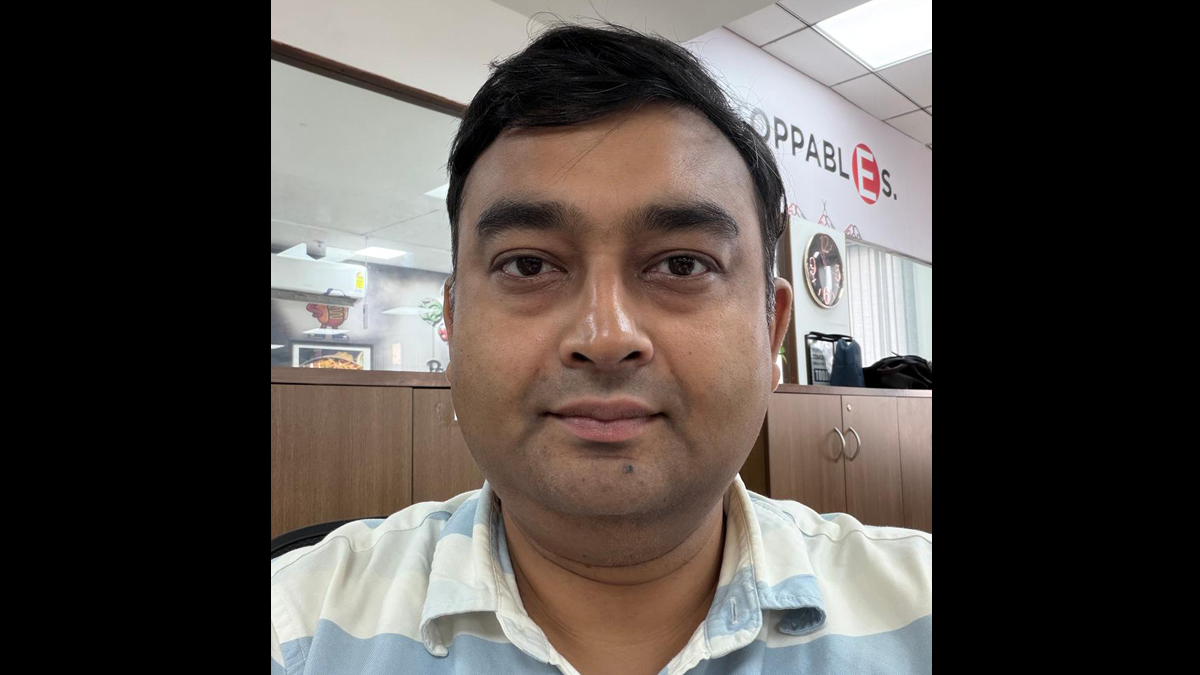
NEW DELHI: Prajesh Dutta brings over 19 years of experience in media and advertising to this conversation, having shaped media solutions for brands such as Nokia, L’Oreal, Dabur, ITC, Policybazaar, Religare, Somany Tiles, Greenlam, Zee Media Corp and Cargill over the course of his career. As National Head- Strategy & Innovation at Efficacy Worldwide, he leads the agency’s approach to integrated media strategy, data-led planning and campaign innovation. In this article, Dutta talks about why Indian brands are shifting a bigger share of their festive marketing budgets to digital, how consumer behaviour across Independence Day, Raksha Bandhan and Onam is reshaping campaign planning, and why a digital-first approach still needs traditional media working alongside it.
Festive marketing in India is no longer about being everywhere. It is about being relevant where consumers are actually spending their attention. As Independence Day, Raksha Bandhan and Onam open the festive calendar, we are seeing a stronger push towards digital-first planning, with 40–70% of campaign budgets increasingly moving towards online channels across categories.
What is driving this shift is not digital media alone. It is the way consumer behaviour has changed.
Festive discovery today can begin with a social media post, move to a creator recommendation, continue through a search and end with a purchase on an e-commerce platform. Consumers are not necessarily following the journey brands once mapped for them. They are moving between platforms, formats and conversations based on what catches their attention. Campaign planning has to account for that.
Independence Day is a good example. For brands, the occasion can go beyond conventional patriotic messaging. Digital platforms create space for conversations around Indian culture, local businesses, communities, creators and contemporary expressions of what the day means to different audiences. The opportunity is to find a genuine cultural insight and build content around it, rather than simply repurposing a television commercial for social media.
Raksha Bandhan brings another dimension. It is an occasion built around relationships, but those relationships are expressed differently today. Siblings living in different cities, gifting, personal stories and everyday moments can all become campaign narratives. Influencers can play a particularly useful role here because they bring these occasions into familiar, lived-in settings. The right creator can make a brand message feel like part of a conversation rather than an interruption.
Onam also reinforces an important lesson for marketers: India cannot be treated as one homogeneous festive market. Regional culture, language, traditions and purchase behaviour matter. Digital allows brands to retain a larger campaign thought while adapting the storytelling to individual markets. That level of flexibility becomes increasingly important when festive audiences are diverse.
This is where the larger digital allocation starts to make sense. Digital gives marketers the ability to see what is working while a campaign is still running. Audiences can be refined, creative can be adjusted and creator partnerships can be evaluated based on actual engagement rather than assumptions made at the planning stage.
But a digital-first approach should not be confused with a digital-only approach. Television, outdoor, print, radio and on-ground experiences continue to play an important role in building visibility and scale. The more meaningful change is that these channels are increasingly being planned as connected parts of one consumer journey.
For me, the biggest shift is therefore not where the money is moving. It is how marketers are thinking about the brief.
A festive campaign cannot begin with the question of which platform should get the largest share of the budget. It needs to begin with the consumer: what are they celebrating, what are they talking about, who are they listening to and what kind of content feels relevant to them? The media mix should follow that understanding.
The festive season offers brands several opportunities, but each comes with its own cultural context and consumer mindset. Independence Day, Raksha Bandhan and Onam are very different occasions. A digital-first strategy allows marketers to recognise those differences while building campaigns that are timely, targeted and adaptable.
The future of festive marketing, then, is unlikely to be about choosing digital over traditional media. It will be about building campaigns around how people actually discover, discuss and act, and then putting the right channel behind each stage of that journey.