MAM
Guest Article: We are obsessed with platforms & clients

Mumbai: Digital platforms change how we consume and provide digital products and services. Digital platforms comprising technical infrastructures and their ecosystems of social actors continue to disrupt entire industries. They evolve by leveraging the latest and the best of innovations and continuously learn from the data that resides on it.
Platforms are where – consumers, users, companies, institutions and for that matter, all stake-holder seek information, create, operate, transact, communicate and engage. Some platforms are outward-facing ie consumer or user-facing, while others help in digitalising or automating operations.
Effectively transforming an organisation of any nature or scale is impossible without creating a customised ecosystem. Critically there is a need for one to assess in depth the power and constraints of each platform – even if they are all available. It is like – a great dish cannot be guaranteed in spite of all the exotic ingredients that may be available. You need the right recipe and need to have the ability to cook it to perfection. Most business leaders especially those whose key mandate is to digitally transform or innovate their businesses – cite that, choosing the right platforms in the context of their category, business life stage, budgets etc, is the toughest decision that they have to make. Massive blunders are commonplace – as the decision is so complex.

The other side of the coin is that consumers consume on platforms. They switch from one to another or are simultaneously ‘on’ more than many. Their preference for platforms changes depending on their, purpose, mood, intent, objective, time of the day or familiarity. Essentially the gratification that they seek and the way they interact with and behave on the platform are vastly different – some can be predicted and rest that need a real-time response to their cues. The choice of the brand on which platforms to launch, build desirability or merely promote their products and services is equally complex.
A deep knowledge of platforms, choosing the right ones, and stitching them all together in a seamless ecosystem to drive superlative consumer (user) experiences and achieve higher organisational productivity is now a common (and perhaps the most important) KPI for all business leaders, across the organisation, irrespective of their domain expertise or functional responsibilities.
At Wondrlab we are obsessed with platforms. We invest all the time and money, and sweat, in acquiring and developing deep platform expertise, so that we can deliver platform-first solutions to our customers and hand-hold them through their journey of creating and running a unique transformational ecosystem across marketing and business. Our engagement with each one of them is aimed at delivering simplicity on the other side of complexity.
Our most recent acquisition of Cymetrix a leading salesforce consulting and data analytics company is driven by this obsession. Leveraging salesforces’ customer 360 platform play and combining it with our already acquired platform capabilities in digital content, digital media and influencer marketing we are delivering transformative solutions to clients combining AI+data+CRM+content+media. Needless to say simply!
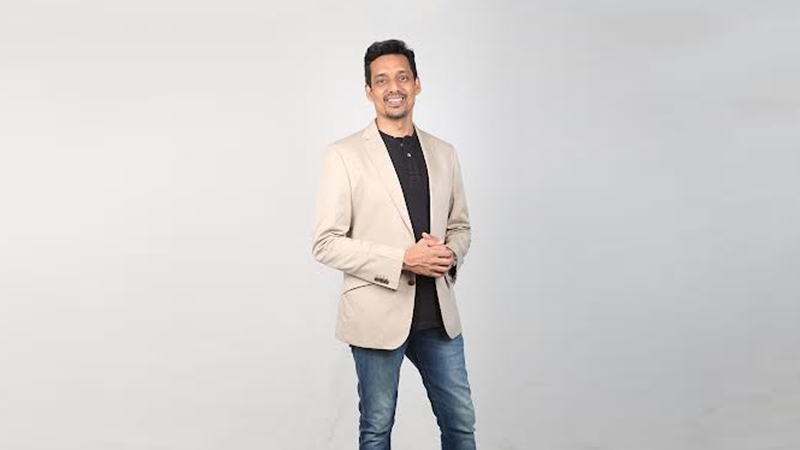
This article has been authored by Wondrlab Technologies CEO Rajesh Ghatge.






MAM
Ameya Velankar steps down as Uber’s head of marketing for India & South Asia
Veteran marketer exits after more than seven years with the ride-hailing giant.
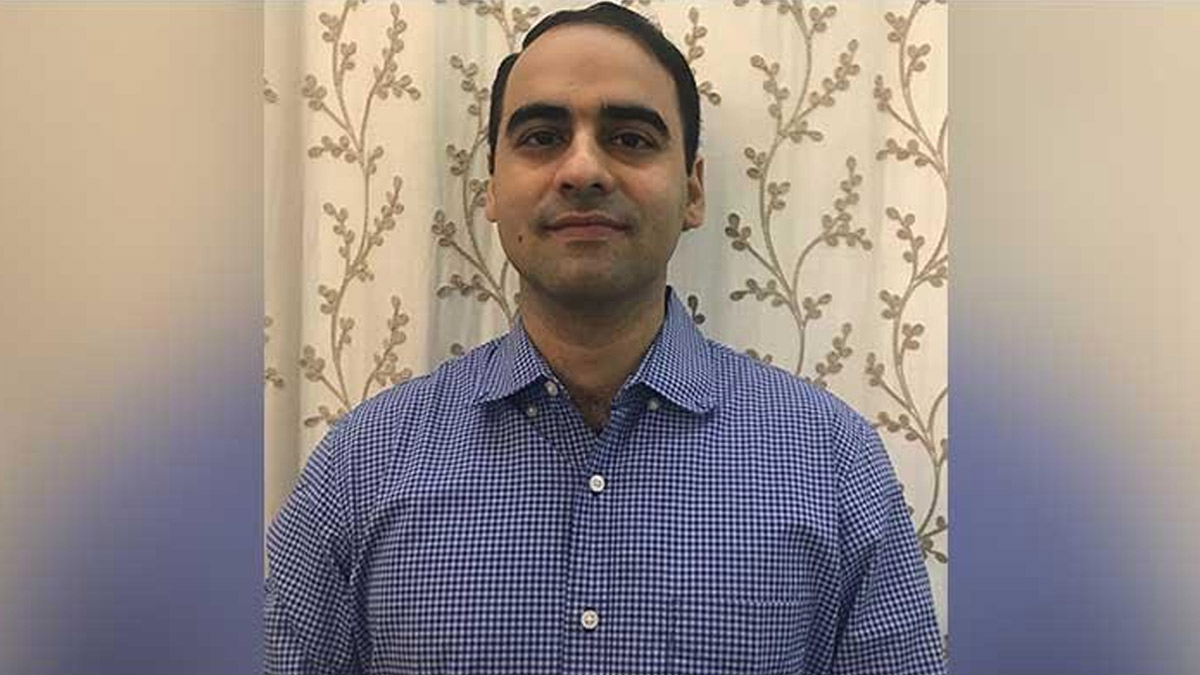
MUMBAI: After more than seven years of steering Uber through the bumpy roads of India’s mobility market, Ameya Velankar has decided to change lanes. Ameya Velankar has stepped down as Head of Marketing for India and South Asia, marking the end of a significant chapter at the ride-hailing company. He had been with Uber since 2019, taking on multiple roles in product and category marketing before rising to lead the marketing function for the region in 2021.
During his tenure, Velankar played a key role in strengthening Uber’s positioning in one of its most competitive and dynamic markets. He helped drive localised marketing strategies and scale adoption across key offerings such as Auto, Moto, Rentals and Intercity, tailoring global platforms to Indian consumer needs.
Prior to joining Uber, Velankar built his marketing expertise at leading consumer companies including SC Johnson and Marico, where he handled category and product leadership roles. His career began at RPG Enterprises.
Details of his next professional move have not been disclosed.
In a fast-evolving mobility landscape where brands constantly battle for attention, Ameya Velankar helped Uber stay relevant and resonant with millions of Indian users. As he moves on from the driver’s seat of marketing, the company will now look for fresh ideas to keep its wheels turning smoothly.






