MAM
Grey Group India appoints Sandipan Bhattacharyya as chief creative officer
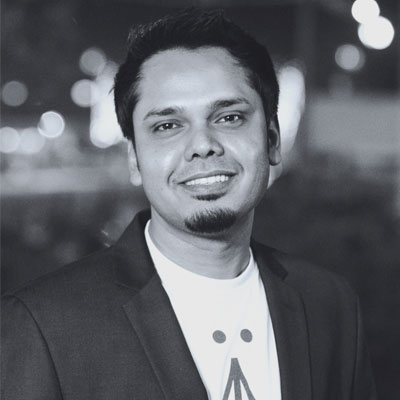
MUMBAI: Grey Group India has appointed Sandipan Bhattacharyya as its chief creative officer with effect from 1 August, 2015.
He will oversee the Mumbai, Gurgaon (New Delhi NCR) and Bengaluru offices across all platforms including advertising, digital and below the line. He will be based in Mumbai, reporting to Grey group India chairman and managing director Sunil Lulla.
Bhattacharyya returns to Grey group from BBDO, where he spent close to eight years partnering Josy Paul in setting up the agency in India and shaping its creative reputation. He was the executive creative director and was pushing the creative mandate on several global clients like PepsiCo, General Electric, Hewlett Packard, Aviva Life Insurance, P&G Gillette and Wrigley.
“We are delighted to welcome Sandipan back. His entry is timed to reignite GREY and drive its culture of creating ‘Famous & Effective’ work for GREY’s clients. He brings in a terrific blend of zing & zany energy, with an astute and an intuitive understanding of consumers. I am delighted to have a partner who will bring transformational change to Grey group India, with a mind and a working style, which seamlessly integrates the communication process, across platforms, media, technologies and consumer states. In an ever changing world, now Grey’s capabilities will be significantly enhanced with Sandipan’s leadership,” said Lulla.
Sandipan said, “What’s interesting in today’s ad landscape is what I call freestyling. No rules, no limits, just format-defying, medium-bending work. Gun shops that spring a surprise moral dilemma, car companies promoting bodypaint and a ridiculously simple Superbowl interception that makes everyone spending millions on a 30 sec spot, seem like an idiot – that’s freestyling. And guess what, it’s all happening at Grey. My chats with Tor and Per just made one thing amply clear – I’d be a fool to pass up this opportunity!”

Brands
Hyundai and TVS Motor partner to develop electric three wheelers
Joint development pact targets last mile mobility with localisation push
MUMBAI: Three wheels, one big ambition and a charge towards the future. Hyundai Motor Company and TVS Motor Company have signed a joint development agreement to co-create electric three-wheelers (E3Ws), aiming to crack India’s complex last-mile mobility puzzle. The collaboration moves beyond concept talk into execution mode, building on the E3W prototype first showcased at the Bharat Mobility Global Expo 2025. The goal now is clear, design, develop and commercialise a purpose-built vehicle tailored to Indian roads, riders and realities.
Under the agreement, Hyundai will lead design and co-development, bringing its global R&D muscle and human-centric engineering approach to the table. TVS Motor, meanwhile, will anchor the product on its electric platform, leveraging deep three-wheeler expertise and local market insight. It will also handle manufacturing and sales in India, with an eye on exports down the line.
The timing is strategic. India remains the world’s largest three-wheeler market, where affordability, durability and adaptability often outweigh sheer innovation. The upcoming E3W aims to strike that balance combining advanced technology with practical features such as adaptive ground clearance for monsoon-hit roads, improved thermal management for tropical climates, and flexible interiors suited for passengers, cargo or emergency use.
A key pillar of the partnership is localisation. Major components will be sourced and manufactured within India, a move expected to strengthen the domestic supply chain, create jobs, lower costs and improve after-sales support.
The shift from prototype to production will involve rigorous testing, certification and refinement to meet regulatory standards and consumer expectations. Dedicated cross-functional teams from both companies are already in place to accelerate timelines.
At a broader level, the tie-up reflects a growing trend in mobility, global players partnering with local specialists to navigate emerging markets. For Hyundai and TVS, the bet is that combining scale with street-level insight could unlock a new chapter in sustainable urban transport, one that runs not just on electricity, but on relevance.