Digital
Google rolls out $15B AI, education and connectivity plan for India
AI tools for 11 million students, new subsea cables, and a national skilling push.

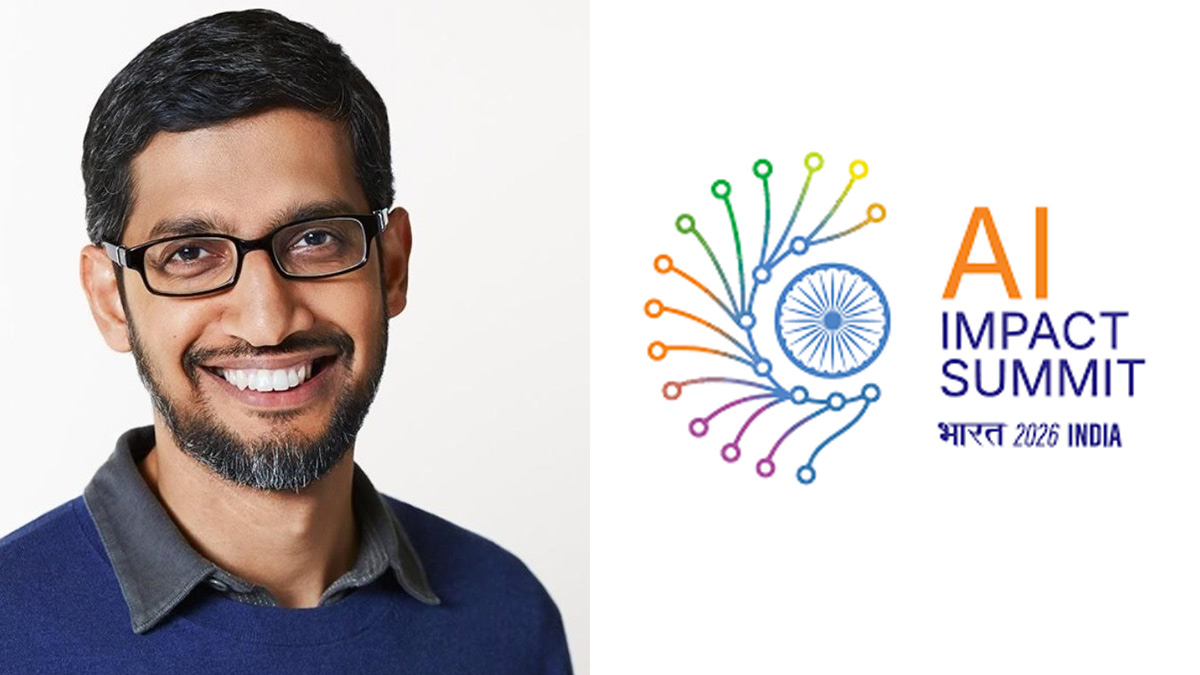
NEW DELHI: Google is backing its words with action. In a major push to future-proof the world’s most populous nation, Google DeepMind has partnered with the Indian government on a large-scale AI initiative.
Announced by CEO Sundar Pichai at the India AI Impact Summit, the deal is less of a gentle nudge and more of a full-throttle sprint into the digital age. Part of Google’s $15 billion commitment to South Asia, the plan aims to weave artificial intelligence into the very fabric of Indian daily life, from the deep ocean floor to the back of the classroom.
The most heart-warming slice of this digital pie is the focus on the next generation. Google is partnering with 10,000 Atal Tinkering Labs, effectively dropping high-tech AI tools into the laps of roughly 11 million students.

The goal? To introduce generative AI assistance in schools, ensuring that the homework of the future is powered by more than just caffeine and late-night panic.
While the kids are busy with AI in the classroom, Google is busy under the sea. The newly minted India-America Connect Initiative involves laying down serious hardware, specifically, new subsea cable routes.
These digital arteries will link India to Singapore, South Africa and Australia. By adding four more strategic fiber-optic routes connecting the U.S. to the Southern Hemisphere, Google is essentially building a “data superhighway” to ensure India’s AI capabilities don’t get stuck in traffic.
Knowing how to use a tool is just as important as owning it. To bridge the gap, Google is launching its most ambitious skilling program yet: the Google AI Professional Certificate. This program is designed to help the workforce master AI without needing a PhD in robotics.
With full-stack connectivity and a massive investment on the table, India isn’t just joining the AI race; it’s looking to set the pace.






Introduction
In the modern digital landscape, businesses are constantly seeking innovative ways to reach their audience, build relationships, and drive conversions. Two of the most powerful tools in digital marketing today are email automation and YouTube marketing. These strategies not only help brands engage with their audience but also provide measurable results that can significantly impact business growth. Platforms like ExamCollection offer valuable insights and resources for mastering these techniques. In this article, we will explore how email automation and YouTube marketing can transform your digital strategy and help you achieve long-term success.
The Power of Email Marketing Automation
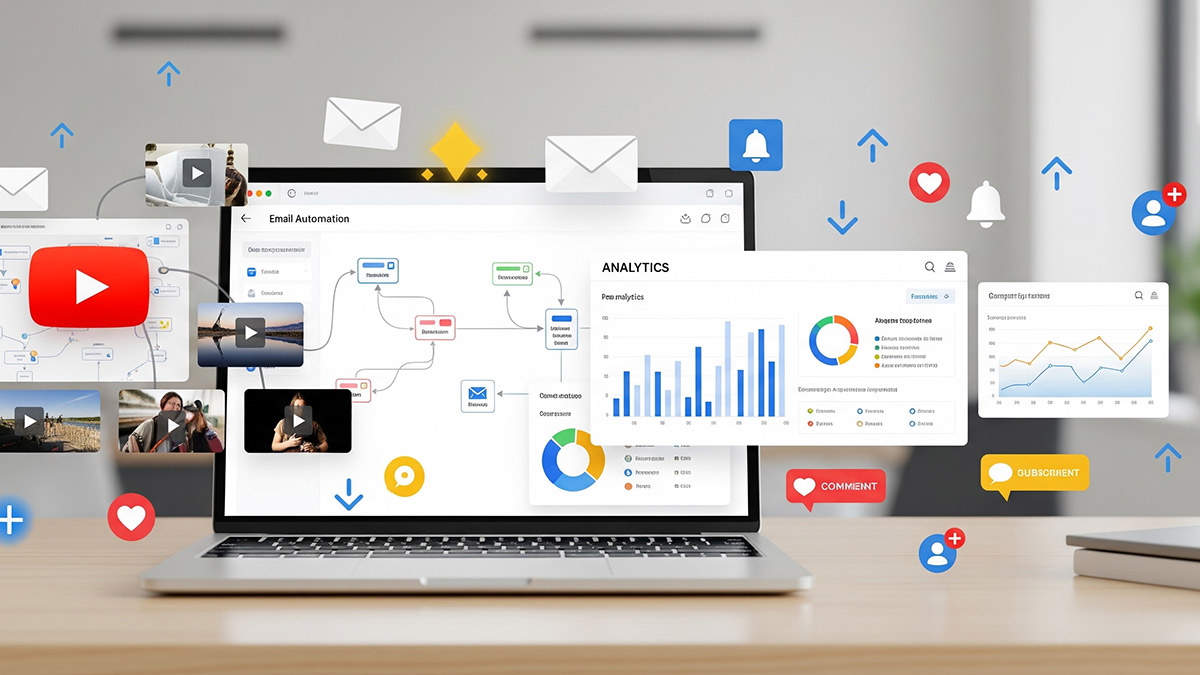
Email marketing remains one of the most effective channels for communication and conversion. However, manually managing email campaigns can be time-consuming and inefficient. This is where marketing automation comes into play. Automation tools allow businesses to send personalized messages based on user behavior, preferences, and engagement patterns. This not only improves efficiency but also enhances the customer experience.
Benefits of Marketing Automation
Marketing automation provides several advantages, including increased productivity, improved targeting, and better customer retention. By automating repetitive tasks, businesses can focus on strategy and creativity. Additionally, automation enables marketers to segment their audience and deliver highly relevant content, which leads to higher open rates and conversions. It also provides valuable analytics that help optimize campaigns for better performance.
How to Master Email Automation
To master email automation, businesses need to understand their audience and create targeted campaigns. This involves setting up workflows, designing engaging email templates, and analyzing performance metrics. Tools like CRM systems and automation platforms can help streamline the process. Learning from expert guides and resources can significantly improve your skills and results.
The Rise of YouTube Marketing
YouTube has become one of the most influential platforms for digital marketing. With billions of users worldwide, it offers businesses an فرصة to reach a massive audience. Video content is highly engaging and can convey messages more effectively than text or images. As a result, many brands are investing in YouTube marketing to build their online presence and connect with their audience.
Key Strategies for YouTube Success
Successful YouTube marketing requires a well-planned strategy. This includes creating high-quality content, optimizing videos for search, and engaging with viewers. Consistency is also crucial, as regular uploads help build a loyal audience. Additionally, using analytics tools can help track performance and identify areas for improvement.
Explore more: https://www.examcollection.com/blog/master-youtube-marketing-with-these-10-powerful-steps/
Combining Email and YouTube Marketing
Integrating email automation with YouTube marketing can create a powerful synergy. For example, businesses can use email campaigns to promote new videos, share exclusive content, and drive traffic to their YouTube channel. Similarly, YouTube videos can encourage viewers to subscribe to email lists, creating a continuous cycle of engagement. This integrated approach can significantly enhance marketing effectiveness.
The Role of Data and Analytics
Data plays a crucial role in both email and YouTube marketing. By analyzing user behavior and engagement metrics, businesses can make informed decisions and optimize their strategies. Metrics such as open rates, click-through rates, watch time, and subscriber growth provide valuable insights into campaign performance. Using these insights, marketers can refine their approach and achieve better results.
Challenges and How to Overcome Them
While email automation and YouTube marketing offer numerous benefits, they also come with challenges. These include content creation, audience engagement, and staying updated with changing algorithms. To overcome these challenges, businesses need to invest in continuous learning and adapt to new trends. Leveraging reliable resources and expert guidance can make a significant difference.
Future Trends in Digital Marketing
The future of digital marketing is likely to be shaped by advancements in artificial intelligence, personalization, and interactive content. Automation tools will become more sophisticated, enabling even more personalized experiences. Video content will continue to dominate, with platforms like YouTube playing a central role in marketing strategies. Businesses that stay ahead of these trends will have a competitive advantage.
FAQ
1. What is email marketing automation?
Email marketing automation involves using software to send targeted and personalized emails based on user behavior and preferences.
2. Why is YouTube important for marketing?
YouTube provides a platform to reach a large audience and engage users through video content.
3. Can small businesses benefit from these strategies?
Yes, both email automation and YouTube marketing are highly scalable and suitable for businesses of all sizes.
4. How can I improve my email open rates?
By creating compelling subject lines, segmenting your audience, and delivering relevant content.
5. What tools are used for YouTube marketing?
Tools like video editing software, analytics platforms, and SEO tools are commonly used.
Conclusion
Digital marketing is evolving rapidly, and businesses must adapt to stay competitive. Email automation and YouTube marketing are two powerful strategies that can drive significant growth when implemented effectively. Email automation allows businesses to deliver personalized and timely messages, improving customer engagement and retention. On the other hand, YouTube marketing provides a platform to connect with a vast audience through engaging video content. By combining these strategies, businesses can create a comprehensive marketing approach that maximizes reach and impact. Platforms like ExamCollection offer valuable resources that help marketers understand and implement these techniques effectively. The integration of data and analytics further enhances the effectiveness of these strategies, enabling businesses to make informed decisions and optimize their campaigns. However, success in digital marketing requires continuous learning, creativity, and adaptability. As technology continues to advance, new opportunities and challenges will emerge. Businesses that stay updated with the latest trends and leverage the right tools will be well-positioned for success. Ultimately, mastering email automation and YouTube marketing can lead to increased brand visibility, higher engagement, and improved conversion rates. By investing time and effort into these strategies, businesses can achieve sustainable growth and long-term success in the competitive digital landscape.






