MAM
Godrej Consumer Products’ Subha Sreenivasan Iyer on her love for badminton and PBL

MUMBAI: Badminton, today, is the world’s second most popular sport. And some 150 years after the game was invented in India, the humble shuttlecock sport has once again dazzled one and all in the country of its origin.
A survey by British research firm SMG Insight revealed that badminton ranks just behind cricket in terms of a sport that Indians choose to play regularly. Additionally, another survey revealed that the interest in Badminton among Indians has more than doubled since 2017 and has gone up by 40 per cent in 2019 over 2018.
Badminton’s rising popularity in India can also be gauged from the fact that the last edition of Premier Badminton League (PBL) was watched by over 133 million Indians. A mind-boggling number when you consider that the opening ceremony of Rio Olympics 2016 was watched by 342 million people globally. Already one of the world’s biggest badminton leagues, PBL has also helped in establishing the sport as a coveted career choice in India. PV Sindhu got auctioned for Rs 77 lakh and Sai Praneeth bagged 32 lakh for PBL Season 5, starting January 2020.
As you would expect, big brands have also joined the bandwagon. Brands and sporting events have, in fact, always worked very well together and PBL is no exception. Apart from access to an audience that is 150 million strong, PBL is a great opportunity to build reputations and long-term brand image by investing in a growing sport in India. No wonder then that from telecom operator (Vodafone) to energy drink (Red Bull) to cement manufacturer (Dalmia), big brands have associated with the franchise.
As the count-down begins to PBL season 5, we bring you stories of media executives who have played, loved and followed the sport; what they love about the game and how can brands effectively leverage PBL’s growing popularity.
 |
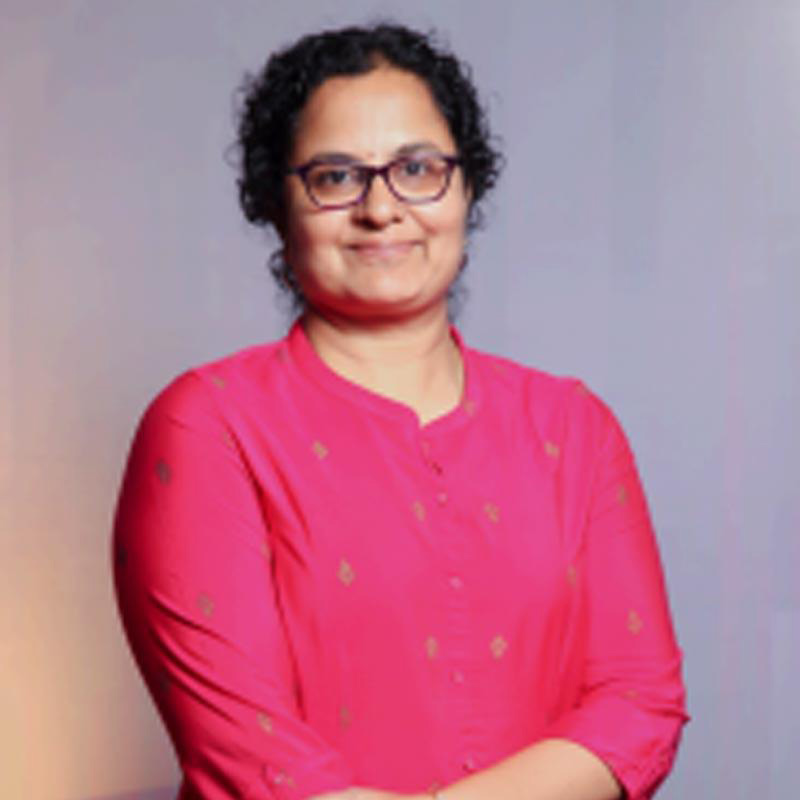
Name: Subha Sreenivasan Iyer Company: Godrej Consumer Products Ltd Designation: Head – Media Services Favourite Players: Carolina Marin and PV Sindhu |
What do brands see as advantage when they partner with sporting events?
Exclusivity and synergy in a branding opportunity is what brands see as an advantage. After 2008, when IPL started the popular T-20 league there has been a growth of various non-cricket sporting options which is a marketer’s delight. These events provide lot of options to connect with audiences in a very relevant manner
FMCG brands have always invested heavily in sporting properties – why do you think FMCG brands consider sporting events a good investment?
At Godrej, we were one of the first sponsors of the IPL, when it started and we also used the broadcast platform to create a very innovative engagement with our audiences – we actually gave away a Godrej Apartment as a grand prize to IPL viewers! That was a first.
With multiple domestic leagues coming up now, there’s so much scope for innovative ways to create engagement with multiple audience segments, which otherwise one couldn’t do much about.
Now, besides brand awareness and exposure, one can look at multiple areas of building social connect, engaging with fans of the sport, tailor specific launch events around sporting events, build custom communication relevant to these audiences and even tap into the fact that these events are now making inroads into more number of towns, which were otherwise not easily accessible. I’m talking about both ground connect as well as media partnerships here.
In the last few years, brands have invested in sports other than cricket as well like Badminton, Soccer, Hockey and Kabbadi – do you think sponsorships by these brands will help in the development of various sports and in making India a sporting nation?
There are two aspects here. First, there’s a lot of private investment into non-cricket sports, which is shaping the way investments are done and bringing in collaboration across advertisers, sporting bodies, government bodies and helping take these events to more number of households. Definitely, that spells good news for the sector because now we’ve created far more opportunities than ever before, for talent to come up. Earlier, most of our non-cricketing sports were either too unorganized or didn’t have the right access to funds, training, platforms, learnings from international leagues etc. Now there’s lot of access and information available.
As per reports, badminton is already the second-most popular sport in India after Cricket – what role has Premier Badminton League (PBL) played in popularising Badminton in India?
Actually if you go by numbers and data, after cricket, kabaddi is the next big one. Badminton is definitely popular and is growing for sure. Growth of such leagues, create more opportunities for both talent and advertisers. Badminton as a sport has always been popular across the country, but now it’s gaining scale.
What do you think brands find most engaging in leagues like PBL?
Any sporting event, whether it’s IPL, Formula 1, PBL , kabaddi or football – they have their dedicated fan base who eagerly await for the action dates. There’s so much buzz and excitement which begins right at the auction time and keeps building up as the event progresses. That’s the whole opportunity that brands find attractive in terms of creating engagement opportunities with their respective audience segments. What’s important is how well one can identify synergies between the event and one’s core segment that one’s targeting and execute it well. The fandom for a sport is the biggest asset that a brand can leverage.
What role can PBL play in making badminton a coveted career option in a cricket-crazy country like India?
There’s the government push for sports in India today, which got a good boost with the Khelo India Youth Games in 2018. Besides, in the past couple of years, beyond cricket, we’ve seen the growth of domestic leagues in badminton, kabaddi, football, and I believe we have leagues coming up in polo, table tennis, boxing and even E-Sports very soon in 2020. All of this means, there’s larger number of homes, witnessing sports in multiple formats and accessing it either through television or OTTs. Besides reach of sports from a marketer’s perspective, this also spells very good for the growth of sports at a grass root level across the country.
As a marketer when a brand associates with a league like PBL, how does it leverage the association to its fullest? Any thoughts?
I think, the most important question to answer to ask is what’s the best and most relevant manner in which one can engage with a given opportunity. And at the same time, in terms of ROI, it makes sense. Synergy with the specific audience segment and opportunity cost, both are important. Scope for creating engagement could be on-ground, team associations, multiple ways of actively or passively building connections, depending on the requirement of the brand.
Your favourite PBL team?
I am big fan of both Carolina Marin and PV Sindhu, so whichever team they are playing for, I will root for them.
The latest India Watch report finds that sporting events are becoming increasingly popular in smaller cities as well as among women. What opportunities do you see for brands as live coverage of sporting events reaches Tier-II, Tier-III cities?
Increasing the penetration of this format across larger cities gives an opportunity to create engagement on ground as well as brings in eyeballs from more cities for the sport. The sport benefits for sure. Live coverage gives more engagement options for brands on ground as well as bringing in newer audiences into the fold, which is good.
Badminton, unlike other sports like soccer, hockey or kabbadi, is one sport which is equally popular with both men and women – does this make PBL more attractive for certain specific products like Fashion brands or FMCG?
In terms of absolute viewership numbers of all domestic leagues, it’s split between 40/60 for women : men. Right now, for newer leagues like PBL, the numbers are not yet large enough for us to dissect and pass a verdict like that. More importantly, for a brand, the way they see an opportunity is basis the relevance to their own consumer segment and the connect that they can build with this opportunity, that’s more important.
PV Sindhu and Tai Tzu Ying bagged Rs 77 lakh each in the auction that happened. International names are now bagging spots in the seven teams. How do you think PBL has helped build stature for Indian and international clients?
I think PBL has contributed wonderfully in building badminton. It’s growing at a great pace, we have more players, amazing talent that’s coming on board and all this means there’s so much more growth for players and the game and more investments. Of course, it’s a long journey, but it’s a great start for sure.