MAM
Goafest Creative Abby jury chairs announced for Integrated, OOH/Ambient, Branded Content and Public Relations

MUMBAI The Awards Governing Council of Goafest 2016 has declared the jury chairs for Integrated, OOH/Ambient, Branded Content and Public Relations. DDB Mudra chairman and CCO Sonal Dabral will chair the OOH/Ambient Jury of Creative Abby, J. Walter Thompson CCO Senthil Kumar will chair the integrated category. Reliance Broadcast Network CEO Tarunl Katial will be jury chair for the branded content category while Madison PR CEO Paresh Chaudhury will chair the Public Relations category.
Dabral has over two decades of experience in advertising industry and has curated many winning campaigns for major local, regional and multinational brands. He began his career in Lintas and after a brief stint in Mudra Delhi, went on to have an extremely successful stint at Ogilvy Mumbai. He then went on to head Ogilvy in Malaysia and make it one of the top creative offices in the region. Thereafter, as the chairman and ECD of Ogilvy Singapore, he helped the agency become the hottest agency in the region and the no.1 creative office of the WPP global network. In 2007 he led the agency for it to become the third highest awarded agency in the world at Cannes Lions. He is a prolific winner in most of the regional and international award shows like Cannes, Clio, D & AD, One Show, LIA, Andy Awards, AdFest, Spikes etc,
Kumar has been celebrated in India and recognized globally for the ability to amplify deep local insights into simple ideas that solve complicated marketing challenges. He has won India’s first and second Film Gold Lions at The Cannes Lions International Festival in 2009. His ideas have helped build several brands in India including: Levi’s, Nike, Google, Ford, etc. Kumar can be spotted in several creative books under the classifications of writer, creative director, designer, photographer and film maker. His work has risen beyond successful marketing case studies to mine over 100 international creative awards.

Katial is at the helm of one of India’s youngest media houses and is considered to be one of the most successful executives in the Indian media industry. A stint in adverting followed by over a decade of experience in broadcast with brands like Star and Sony and now Reliance Broadcast, Katial has successfully led high decibel launches of industry tent poles and has always been able to rightly tap the consumer’s pulse. Other significant achievements in Katial’s cap include being voted the NewsCorp Achiever for Asia and being included among the best in the ‘India Today 30 on 30’ list. He was also part of the team that won the first Media Gold at Cannes.
Chaudhry has over 24 years of brand communication and reputation management experience across industries and key global markets and is also founder president of the “Indian Forum Of Corporate Communicators” (IFCC). Chaudhry’s last assignment was as group president -corporate communications, Reliance Industries, prior to which he was head of communications at HUL and communications leader, Unilever South Asia. From building the corporate brand of Ranbaxy in North America, Europe and India, to aligning regional communication country teams to bring alive ‘the transition to one Unilever brand’ and driving the corporate name change from “HLL” to “HUL”, to putting together systems and processes for effective global (internal and external) communications at RIL, Chaudhry has led communications for many iconic and tentpole campaigns in India.





MAM
Ameya Velankar steps down as Uber’s head of marketing for India & South Asia
Veteran marketer exits after more than seven years with the ride-hailing giant.
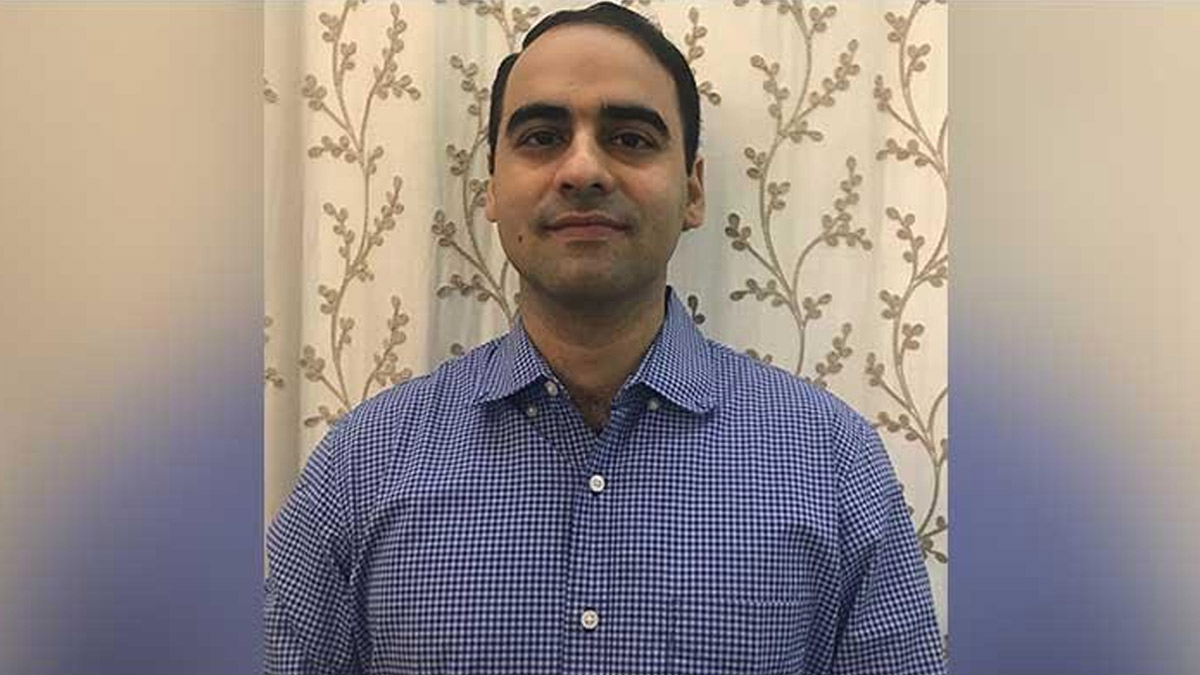
MUMBAI: After more than seven years of steering Uber through the bumpy roads of India’s mobility market, Ameya Velankar has decided to change lanes. Ameya Velankar has stepped down as Head of Marketing for India and South Asia, marking the end of a significant chapter at the ride-hailing company. He had been with Uber since 2019, taking on multiple roles in product and category marketing before rising to lead the marketing function for the region in 2021.
During his tenure, Velankar played a key role in strengthening Uber’s positioning in one of its most competitive and dynamic markets. He helped drive localised marketing strategies and scale adoption across key offerings such as Auto, Moto, Rentals and Intercity, tailoring global platforms to Indian consumer needs.
Prior to joining Uber, Velankar built his marketing expertise at leading consumer companies including SC Johnson and Marico, where he handled category and product leadership roles. His career began at RPG Enterprises.
Details of his next professional move have not been disclosed.
In a fast-evolving mobility landscape where brands constantly battle for attention, Ameya Velankar helped Uber stay relevant and resonant with millions of Indian users. As he moves on from the driver’s seat of marketing, the company will now look for fresh ideas to keep its wheels turning smoothly.






