Brands
Glow & Lovely: Will the makeover last?

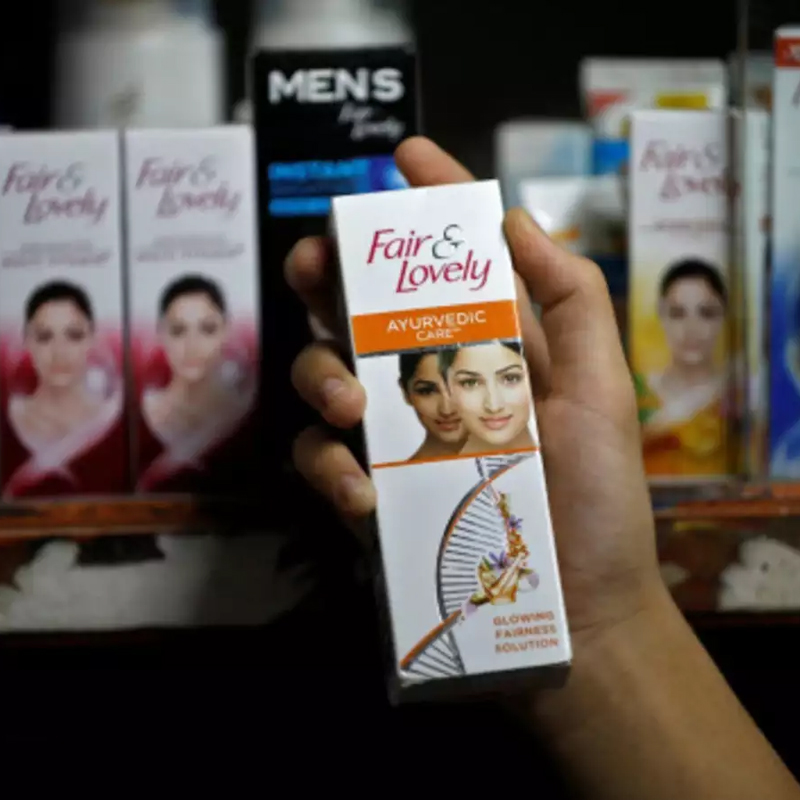
NEW DELHI: After facing severe backlash from every section of society, Hindustan Unilever rebranded its flagship brand ‘Fair & Lovely’ to ‘Glow & Lovely’. The company also renamed its male product line-up from ‘Fair & Handsome’ to ‘Glow & Handsome’. The decision to switch to a new name was prompted by the Black Lives Matter movement in the US.
The brand was launched in India in 1978, and since then it has been touted as a skin-lightening cream. Through its extensive advertising campaigns, HUL promoted the virtues of having a fair skin tone. It claimed ‘Fair & Lovely’ makes people several shades lighter in four to six weeks. Prominent in their product messaging was how deep-skinned women face more challenges as compared to the lighter-toned members of their sex, be it in the workplace or finding a suitable match for marriage.
When HUL announced the makeover of its most popular cosmetic, one of the first questions that rose was, whether this move alone can see HUL becoming a socially responsible advertiser, and change the brand’s perception of promoting colourism in a country obsessed with fair skin?

After the rebranding, HUL launched a new ad campaign featuring Yami Gautam in September. For the first time, the commercial did not show a dusky girl transforming into a fair fairer tone in a few weeks of using ‘Glow & Lovely’. However, the new packaging and logo is pretty much identical to the pre-makeover product. Many questioned HUL’s decision to feature a fair-skinned model like Gautam as its brand ambassador.
Chastened by this fresh furore, the company then released a new campaign called ‘Mere Glow ko Na Roko’ conceptualised by advertising agency Lowe Lintas. The ad features popular hip hop and rap artist Dee MC who narrates her journey of overcoming obstacles and urges other women to not let anything stop them from pursuing their dreams. Through the inspiring lyrics of #GlowkonaRoko, Dee MC equates ‘glow’ with her identity, which comes from her work, her determination, and self-assurance.
Hindustan Unilever executive director – Beauty and Personal Care (BPC) Priya Nair shares, “With the introduction of Glow & Lovely, we are very excited about this new chapter in the brand’s journey that celebrates every woman’s ‘glow’. The narrative #IChooseMyGlow and Glow Ko Na Roko campaign uphold the principle and our belief that no correlation should be made between skin tone and a person’s achievement, potential, beauty or worth and that a woman’s identity should be defined by her.”
While the brand was forced to take a step back to make it more inclusive, it is now trying to shed its old image. Is it a step in right direction by HUL?
Tonic Worldwide national strategy director Anjali Malthankar feels, as long as it continues to carry the past, it will have to fight the present. "The brand seems reluctant to part ways with its cash cow branding. With DeeMC I think it has taken a baby step of associating with the popular sentiment. While the format of rap and hip-hop might appease the consumer, the brand has too many cynics to attend to. It needs to go beyond song and dance. And consciously stay away from any cues of ‘fairness’ benefit promise".
Zirca digital solutions CEO and director Neena Dasgupta opines that HUL has taken the right direction. She says, "We as a society are accepting the fact that the hallmark of beauty is not fairness but in healthy and glowing skin. Establishing this proposition in consumers' minds will be a tall task for the brand especially when the actual product has not changed. Unless that is established, it will always be perceived as old wine in a new bottle. The new ad with a new face seems to be a good move, and I hope that somehow, they are able to steer away from the conversations from fair skin to glowing skin.”
However, whether or not ‘Glow’ should be the replacement for ‘Fair’ as the new functional claim, could of course be debated. "That being said, the brand stays the same at the purpose level. It continues to be about 'inspiring women to create their own identity' as the new ad with Deepa reflects. Therefore, the more important emotional dimension of the brand remains unchanged – which is just the right thing to do,” adds Tidal7 co-founder and chief strategy officer Venkat Malik.
American multinational giant Johnson & Johnson also discontinued selling its skin-lightening products range globally. Clean & Clear will no longer be sold in India, and Neutrogena will not be available in Asian and Middle Eastern Markets.
But the market for cosmetics that claim to lighten and brighten is far from fizzling out. According to a recently published report, "India Fairness Cream & Bleach Market Overview, 2018-2023", the women's fairness cream category is anticipated to achieve market revenues of more than Rs 5,000 crore by the year 2023.
‘Fair and Lovely’ has been a very popular product not only in the urban market but in rural areas as well. But the outcry against its blatant colourism by the woke crowd and the Black Lives Matter protests led HUL to rebrand its fairness product after 48 years. Going forwards, what hurdles are in store for ‘Glow & Lovely’ in updating its positioning?
Malthankar, feels that the brand being a leader, has a larger responsibility in correcting decades of damage done by the category to the young girls’ perception of themselves. “The brand must understand that the vulnerable, impressionable, insecure girls seeking colour change due to toxic social pressure are not the only audience and recognize that the non-consumers too are a big audience for this category today. The whole world is watching. Not just the brand, but the category is under minute scrutiny as it is on the wrong side of the times we are living in.”
As per the global market report, ‘Fair & Lovely’ instituted a campaign with a series of ads that were centered around “the fairer girl gets the guy” theme. The ads ran from December 2001 to March 2003, but after widespread outrage, the company discontinued the ads in March 2003. To revive its image, HUL launched Fair & Lovely Foundation to encourage economic empowerment of women across India.
A number of Bollywood stars – Padmini Kolhapuri, Juhi Chawla, to Yami Gautam – have been ‘Fair & Lovely’ brand ambassadors, which only boosted the brand’s popularity over the decades.
BC Web Wise founder and MD Chaaya Baradhwaaj feels if the brand continues to use fair skin as an endorser then they have not really decided to make a transition. “I would assume that the fair-skin model is temporary, and they need more to make the transition. Otherwise, it will not do the job of correcting the discrimination aspect. If a fair skin model on one side and a dark skin on the other side are going to be there, it will only mean that there is no real transition being done, and the band is playing it safe.”
WATConsult regional head – creative strategy (North) Surbhi Arora also feels that along with this major rebrand, many more steps will have to be taken if their audience and consumers are to be fully convinced that their product is more than just about fairness. “Deepa Unnikrishnan or Dee MC represents the direction in which the brand intends to go, but she will also be put in contrast to Yami Gautam, their current brand ambassador.”
It will be interesting to see if the brand has any plans to bring them both together and how organic that will be. Also, it is pertinent that they streamline all their communication. It is essential for ‘Glow & Lovely’ to establish a voice of its own very soon.







Brands
KKR sixes to power EV charger rollout under VIDA campaign
Cricket meets clean mobility as big hits spark India’s charging growth
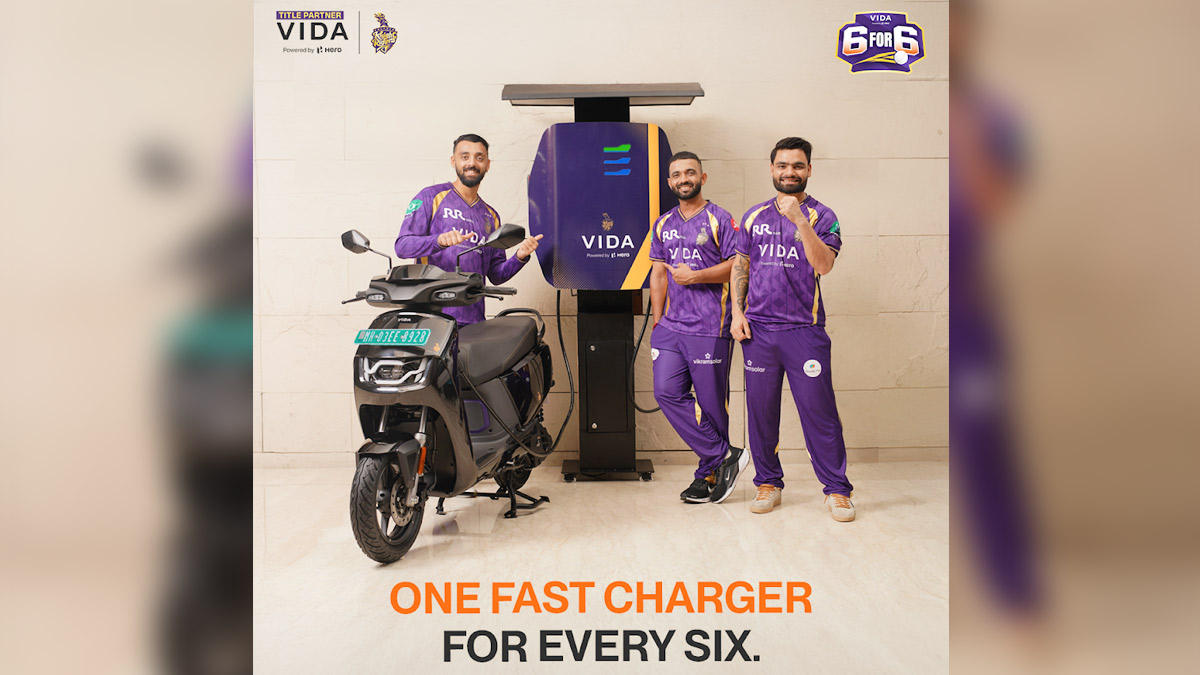
NEW DELHI: VIDA, the electric mobility arm of Hero MotoCorp, has teamed up with Kolkata Knight Riders to launch a campaign that turns cricketing flair into real-world impact.
Titled ‘6 for 6’, the initiative promises to install a 6kW fast EV charger for every six hit by KKR during the ongoing Indian Premier League season. The idea is simple but powerful, as each big hit on the field contributes directly to expanding India’s fast-charging infrastructure.
The campaign builds on VIDA’s growing network, which already spans over 5,300 fast-charging points across more than 430 cities. With EV adoption gaining pace, the brand is using cricket’s mass appeal to accelerate both awareness and infrastructure growth.
Explaining the thinking behind the move, Hero MotoCorp emerging mobility business unit chief business officer Kausalya Nandakumar said, “Cricket has an incredible ability to unite and inspire millions across the country. With the ‘6 for 6’ campaign, we are turning every big hit on the field into a step towards a cleaner and a more accessible mobility future.”
She added that VIDA’s expanding fast-charging network and removable battery technology are designed to make EV ownership more convenient and practical for everyday users.
From the franchise’s side, the campaign is also about giving on-field moments a larger purpose. Kolkata Knight Riders chief executive officer Venky Mysore said, “The ‘6 for 6’ campaign exemplifies the potential of sport as a platform for meaningful, real-world impact. By linking every six to the expansion of EV charging infrastructure, this partnership transforms fan excitement into tangible progress.”
As part of the rollout, VIDA has introduced co-branded charging stations in KKR’s signature colours, with a flagship installation unveiled alongside team players. The chargers are designed for quick top-ups, powering VIDA scooters from zero to 80 percent in about an hour, while also being positioned along key highways to support longer journeys.
The initiative also taps into VIDA’s removable battery system, which allows users to charge using standard household plug points, adding flexibility to the charging ecosystem.
By blending the thrill of cricket with the urgency of clean mobility, VIDA and KKR have found a neat way to make every six count twice, once on the scoreboard and again on India’s road to an electric future.








