MAM
FY-16: UFO Moviez ad revenue 35 percent up


BENGALURU: Indian digital cinema distribution network and in-cinema advertising platform, UFO Moviez Limited (UFO) reported a 35.3 percent growth in advertising revenue for the year ended 31 March 2016 (FY-16, current year). The company reported advertising revenue of Rs 157.8 crore in FY-16 as compared to Rs 116.7 crore in the previous year. Average advertisement minutes sold per show per screen increased to 4.15 (FY-15 – 3.36) minutes during the year. Theatrical and In-Cinema advertisement (consolidated excluding new businesses) revenues grew by 18.6 percent to Rs 567.1 crore (FY-15 – Rs 478.3 crore). Consolidated revenues improved by 19.4 percent to Rs 572.1 crore (FY-15 – Rs 479.3 crore)
Note: The unit of currency in this report is the Indian rupee – Rs (also conventionally represented by INR). The Indian numbering system or the Vedic numbering system has been used to denote money values. The basic conversion to the international norm would be:
(a) 100,00,000 = 100 lakh = 10,000,000 = 10 million = 1 crore.

(b) 10,000 lakh = 100 crore = 1 arab = 1 billion.
Let us look at the other numbers reported by UFO Moviez
Total Expense in FY-16 increased 17.5 percent to Rs 464.70 crore from Rs 395.45 crore in FY-15. Ad revenue share (expense) in FY-16 increased 27.2 percent to Rs 47.15 crore from Rs 39.39 crore in the previous year. Visual Print sharing expense in FY-16 increased 22.9 percent to Rs 73.36 crore from Rs 63.31 crore.
The company’s expense towards purchase of digital cinema equipment and lamps in the current year increased 62.7 percent to Rs 66.0s crore as compared to Rs 40.59 crore in FY-15.
Company speak
“Fiscal 2016 was another successful year for UFO as our financial results exceeded expectations across all metrics,” said UFO Moviez founder and managing director Sanjay Gaikwad. “Our confidence in our advertisement growth strategy has further strengthened. We continued to generate strong cash flows, allowing us to return value to our shareholders through dividends. We are excited about the potential of our advertisement platform and committed to deliver growth ahead aiming at unlocking further value for shareholders.”
“UFO delivered record revenue and profitability with consistent growth year on year for the last 5 fiscal years,” said Kapil Agarwal, Joint Managing Director. “Our theatrical business continues to deliver stable results and we remain strategically focused on driving growth through advertising. Momentum from advertisements continued in fiscal 2016 with advertisement sales exceeding 35 percent growth achieving record levels. As we enter fiscal 2017, we remain confident in our momentum and see tremendous opportunity and exciting prospects for the company.”





MAM
Promotedge marks 11 years with expansion into D2C and performance marketing
Kolkata-based agency strengthens global footprint and launches new platforms.
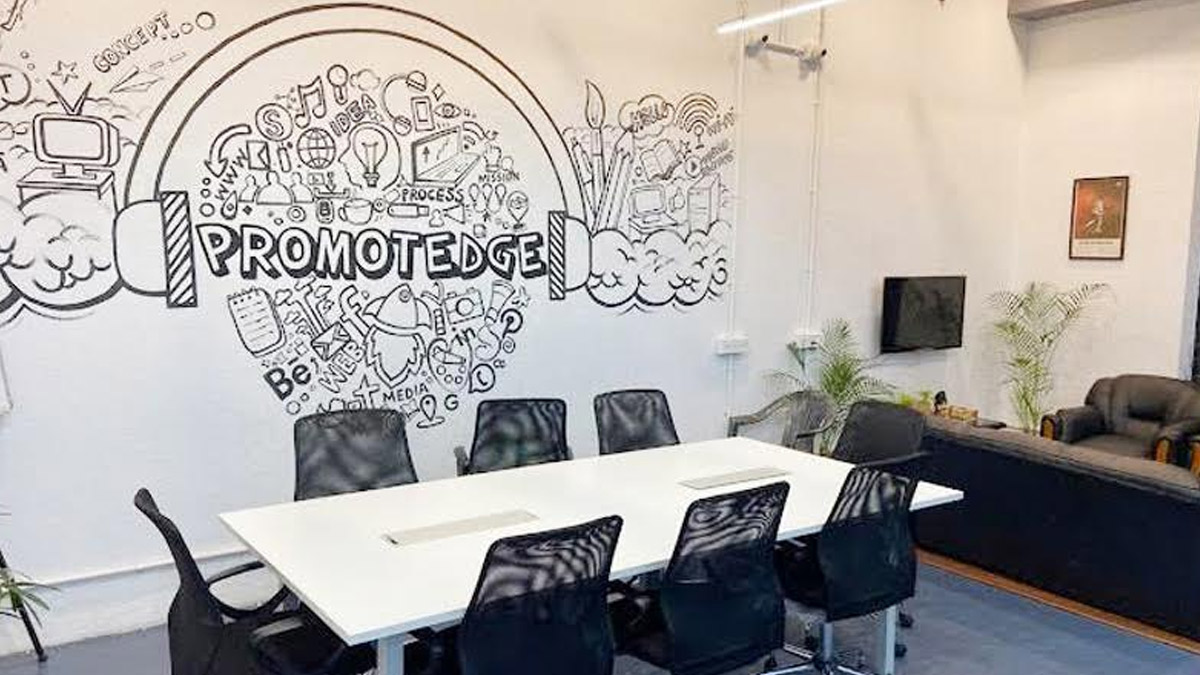
MUMBAI: Promotedge has spent 11 years quietly building momentum and now it’s ready to take a much bigger leap. The Kolkata-based integrated marketing and branding agency, founded in 2015, has completed 11 years of steady growth, evolving from a local creative firm into a full-service marketing partner with a growing international presence. With operational hubs in the US and Canada through its platform PromotEdgeDigital, the agency now serves clients across India, the US, Canada, Australia, and the Middle East.
Over the past 11 years, Promotedge has partnered with more than 200 businesses across diverse industries. Guided by its “Digitally Desi” philosophy which blends cultural insight with data-driven execution, the agency offers end-to-end services including web solutions, digital marketing, creative design, brand planning, and audio-visual production.
In its eleventh year, the agency made significant strides by developing branded IPs and content series for the automotive and industrial sectors, creating audio-visual content for international sporting bodies like the Fédération Internationale de Volleyball, and strengthening its performance marketing capabilities, particularly on quick-commerce platforms such as Zepto, Blinkit, Flipkart, and Swiggy Instamart.
To further boost its D2C focus, Promotedge has integrated the operations of Fizzle Digital into its performance marketing division, now led by founders Avi Saraf and Jhalak Agarwal. The agency continues to serve B2B clients in sectors like steel, energy, engineering, and infrastructure.
Beyond traditional services, Promotedge has introduced new platforms. DesiMachines is an online marketplace for heavy engineering and construction equipment, supported by two financial institutions and six top OEMs. The agency also launched Pexora, a joint venture with Prodigy focused on workspace design, branding, experiential marketing, and Digital Out-of-Home (DOOH) solutions in Eastern and North Eastern India.
Additionally, Promotedge nurtures The Trip Space, a boutique travel brand that curates personalised, luxury journeys for high-net-worth travellers.
Promotedge CEO Saurav Agarwal said, “PromotEdge has always been built with a long-term vision. Our goal is to develop capabilities that provide long-term value to our clients.”
As it approaches its 12th year, the agency plans to expand its global clientele, deepen D2C and performance marketing capabilities, invest in AI-enabled solutions, and strengthen its platform-led initiatives.
From a modest start in Kolkata to building platforms and partnerships across borders, PromotEdge is proving that smart, culturally rooted marketing can travel far and deliver real impact. The agency is clearly gearing up for an even bigger chapter ahead.






