
Brands
FSSAI intensifies festive food safety checks across India
States told to inspect dairy, sweets, oils and ghee and deploy mobile labs


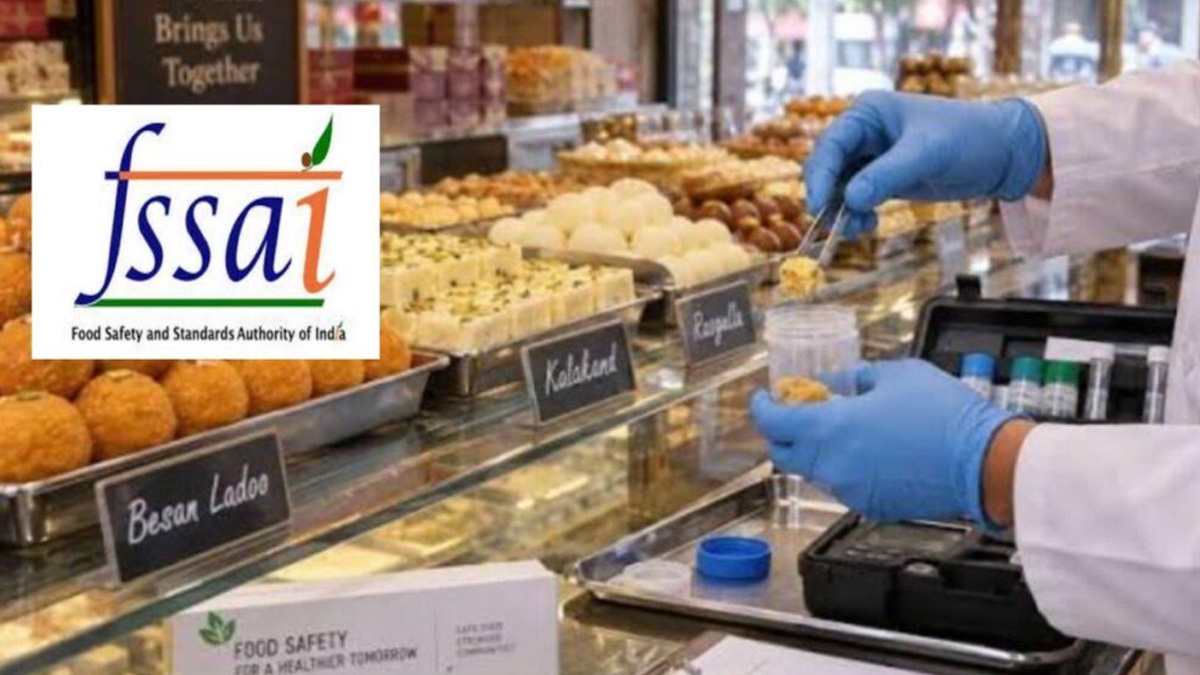
MUMBAI: This festive season, the food safety net is getting a little tighter. The Food Safety and Standards Authority of India (FSSAI) has directed food safety authorities across states and Union Territories to intensify surveillance and enforcement against adulterated, counterfeit and unsafe food as festive demand begins to climb.
The regulator has asked authorities to step up inspections, sampling and on-the-spot testing across markets, with particular attention to products that typically see a sharp rise in consumption during the festive period. The list includes dairy products, sweets and savouries, namkeen, papad and fryums, edible oils, beverages and ghee.
However, the watchlist is not limited to these categories. State and regional authorities have also been asked to expand surveillance to other commodities based on local consumption patterns, allowing enforcement teams to focus on products that see heightened demand in individual markets.
The directive comes at a time when the festive rush brings more food products into circulation and increases the need for checks closer to where products are sold and consumed.
Inspections move closer to the festive hotspots
Under the directive, Designated Officers, Food Safety Officers and Central Food Safety Officers will conduct inspections and collect samples across their respective jurisdictions during the festive period.
Food hotspots and other sensitive locations have been specifically flagged for attention. Enforcement teams are expected to focus their efforts on areas where the risk of unsafe food products entering the supply chain or reaching consumers is considered higher.
The approach puts the emphasis on active surveillance rather than waiting for complaints or incidents to trigger action. By increasing inspections and sample collection during the period of peak consumption, authorities will be able to examine a wider range of products and identify potential violations closer to the point of sale.
Mobile labs bring testing to the market
One of the key components of the enforcement drive will be the deployment of Food Safety on Wheels (FSWs) in prominent markets.
The mobile food-testing laboratories are designed to enable on-the-spot testing, allowing officials to examine samples in or near markets rather than relying entirely on conventional laboratory processes. This could help authorities identify potential safety violations more quickly during the period of heightened festive activity.
The deployment is also intended to strengthen hygiene checks and give consumers greater confidence about the safety and quality of food products available during the festive rush.
For consumers, the move is particularly relevant as festive shopping often means a wider variety of sweets, snacks, dairy products, oils and other food items moving through local markets in a relatively short period.
FSSAI puts enforcement data under the scanner
The regulator is also placing emphasis on how enforcement activity is tracked. Data related to inspections, sampling and their outcomes must be uploaded or recorded in real time on FoSCoS/FoSCoRIS, according to the directive.
The real-time reporting requirement is aimed at keeping a closer record of enforcement activity across jurisdictions. It also creates a clearer trail of inspections and sample outcomes as authorities step up checks during the festive period.
The focus on tracking comes alongside the regulator’s broader enforcement push, with FSSAI and state food safety authorities having undertaken several actions in recent weeks.
Recent crackdowns add urgency
FSSAI recently banned the sale of Nestle’s “Low Fat Dairy Whitener” after a sample collected from The Lalit hotel in New Delhi’s Connaught Place was declared unsafe and substandard. Nestle, however, maintained that the product was safe for consumption and complied with applicable regulatory requirements.
In another case, a food vending unit in Govindpura, Manimajra was shut down after officials found it operating without FSSAI registration and in unhygienic conditions. Authorities reportedly found improperly stored food, dirty utensils, an unhygienic washing area and other sanitation-related lapses.
These enforcement actions provide the backdrop to the latest festive-season directive, which seeks to increase scrutiny before demand reaches its peak.
The regulator’s focus on both packaged and prepared food categories also reflects the variety of risks that can emerge during the festive period. From sweets and dairy products to edible oils, ghee, snacks and beverages, the expanded surveillance covers several categories that are likely to see increased movement through markets.
A safer festive plate is the goal
The festive season can be a feast for consumers, but it can also be a busy period for food safety officials. With demand rising and markets handling larger volumes, FSSAI’s latest directive is aimed at ensuring that the festive surge does not come at the cost of food safety.
By combining inspections, sample collection, mobile laboratories and real-time enforcement reporting, the regulator is seeking to make checks more visible and responsive during the high-demand period.
For state and regional authorities, the message is clear: keep the inspections moving, test where the action is and widen the net according to local consumption patterns. With festive demand expected to gather pace, FSSAI is looking to ensure that what reaches the plate is festive fare rather than a food safety scare.






