Brands
FSSAI bans plastic packaging for India’s Rs 48,456 crore pan masala market
New rules permit paper, cellulose, tin and glass while banning plastic-based formats


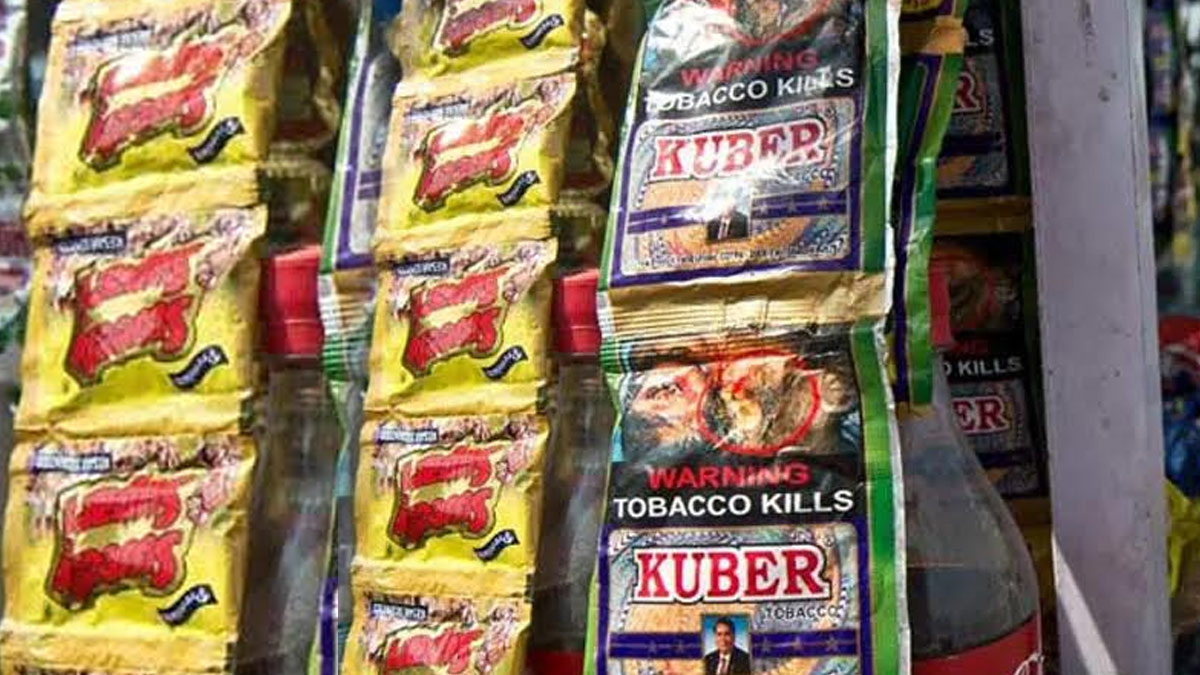
MUMBAI: Pan masala is getting a packaging makeover, and this time the wrapper matters as much as what is inside. The Food Safety and Standards Authority of India (FSSAI) has finalised rules restricting plastic and other specified materials in pan masala packaging, potentially forcing manufacturers to rethink formats in a market valued at Rs 48,455.9 crore.
The amendment was notified on 7 August 2026, following FSSAI’s draft notification issued on 28 April 2026 proposing additional packaging requirements for pan masala under the Food Safety and Standards (Packaging) Regulations, 2018.
Under the final framework, pan masala can be packaged using paper, paperboard, cellulose and other naturally derived materials, provided they are completely free from plastic. That rules out materials including polyethylene, polypropylene, polyester, PVC, synthetic polymers, copolymers and laminates.
The restrictions go beyond conventional plastic. Aluminium foil and metallised layers have also been prohibited, while tin and glass containers remain permitted packaging formats.
The amendment also incorporates provisions from the Plastic Waste Management Rules, 2016, which prohibit plastic sachets for storing, packing or selling gutkha, tobacco and pan masala. Plastic material in any form is similarly prohibited for packaging these products under the cited provisions.
The change could have a sizeable impact on the pan masala industry because pouches have long been the pack of choice. According to IMARC data cited in the information, pouch packaging accounted for 72.4 per cent of India’s pan masala market in 2025.
That makes the shift more than a change of material; it could mean a rethink of one of the category’s most established packaging formats. Manufacturers will now need to ensure their packaging conforms to the specified list of permitted materials.
The scale of the market makes the regulatory shift particularly significant. IMARC estimates that India’s pan masala market was worth Rs 48,455.9 crore in 2025 and could reach Rs 67,034.8 crore by 2034, pointing to continued growth despite the packaging overhaul.
For packaging companies, meanwhile, the rules establish a clearer playing field. Paper, paperboard, cellulose, tin and glass are permitted for the category, while plastic-based and metallised formats are excluded. However, the amendment does not prescribe any market-share, procurement or sourcing requirement for packaging manufacturers.
The final rules follow FSSAI’s April consultation, during which stakeholders were invited to submit objections and suggestions before the amendment was finalised.
For pan masala makers, therefore, the message is fairly clear: the pouch may be popular, but plastic is no longer part of the permitted packaging playbook.