MAM
From script to society: How a holistic education breeds better filmmakers in advertising

Mumbai: The integration of storytelling into our digital reality is seen as a defining feature by data scientists, highlighting the increasing significance of stories as valuable virtual commodities that encapsulate the essence of a society’s culture and identity. It delves into various societal domains, including politics, environment, religion, economy and language, offering a comprehensive understanding of human existence from the microcosm of family units to the macrocosm of complex societal structures.
In media and film, we uncover how storytelling has become a defining characteristic in our increasingly digitised landscape. From politics to language and personal anecdotes to global issues, storytelling transcends boundaries to offer a holistic understanding of human existence. Crafting a compelling story is described as a blend of artistic expression and technical skills, requiring a deep understanding of narratology and an interdisciplinary perspective. Cultural agencies foresee storytelling emerging as a highly coveted skill in the 21st century, emphasising its pivotal role in conveying intangible aspects of culture and societal narratives.
Taking some cases from brands like Soul Flower, Domestic, Jnanapravaha and Bamboo U, their one-to-one network-based advertising is relevant, cost-effective and innovative in connecting and appropriating the idea of advertising in the social domain. It validates the nature of advertising and the true intent for finding business while not mellowing down their ideological standpoint.
The enduring relevance of media in contemporary society and the imperative of holistic education in nurturing filmmakers equipped to craft narratives that resonate with audiences and shape cultural discourse have never been so crucial. The world’s impacting research investigates the transformative journey of moving image, exploring how holistic education cultivates proficient filmmakers to become adept at storytelling in general and specifically advertising.
This is why formal education in filmmaking has a huge role to play. Through such courses, they delve into the fusion of artistic expression and technical prowess essential for crafting compelling narratives, drawing from insights in narratology and interdisciplinary studies.
Formal courses in filmmaking traverse diverse societal domains, ranging from politics to language, providing a holistic comprehension of human existence. The evolving advertising landscape underscores a shift from traditional heavy production to personalised influence-based approaches, creating opportunities for independent and knowledgeable storytellers.
In light of the enduring significance of media and the evolving advertising landscape, this research underscores the critical role of holistic education in nurturing filmmakers equipped to shape cultural discourse and engage audiences effectively. In today’s fast-paced digital age, effectively conveying cultural nuances and societal narratives is more critical than ever.
Education in advertising has traditionally followed a structured path, focusing on technical skills rather than holistic development. However, this approach often limits the creativity and innovation necessary for compelling storytelling in today’s dynamic landscape. The shift towards holistic education recognises the importance of nurturing well-rounded individuals who can craft compelling narratives that resonate with diverse audiences.
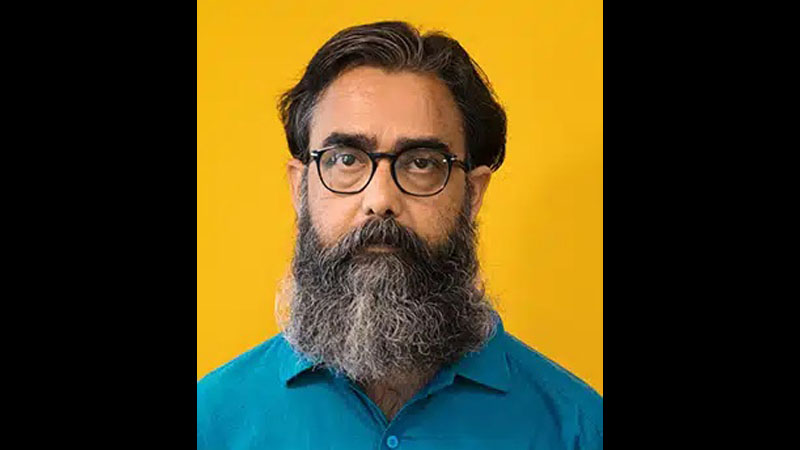
The article has been authored by Anant National University assistant professor and head of the centre for moving image – Prof Akash Gaur.