
Brands
Frequent travel reshapes India’s luggage market, says report
68 per cent travel every 2–3 months, utility now drives buying decisions.


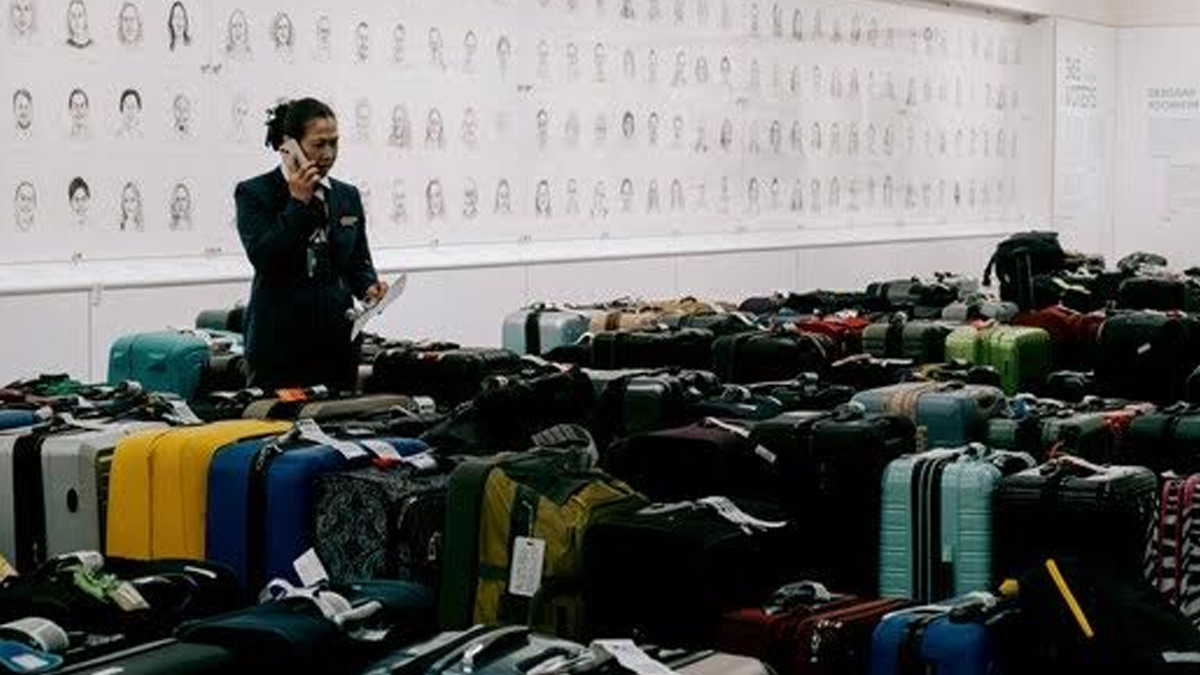
MUMBAI: India’s travellers are packing more often and their luggage is being put through far more than an annual holiday stress test. A new report by PulseAI Research suggests that travel in India is steadily shifting from an occasional escape to a regular part of everyday life, a change that is quietly redrawing the country’s luggage market.
According to the study, 68 per cent of Indians now travel every two to three months or more, signalling a move away from traditional vacation-led travel towards a lifestyle built around frequent movement. Whether it is work trips, weekend breaks or short getaways, travel is becoming routine rather than exceptional.
The trend is most pronounced among consumers aged 25 to 44, with nearly four in 10 within this group travelling at least once a month. That frequency is changing how luggage is evaluated. Instead of being judged on a once-a-year family holiday, bags are now expected to withstand repeated use across multiple journeys.
As a result, practicality is emerging as the biggest selling point. The report found that 52 per cent of consumers prioritise waterproof materials, while 51 per cent look for lightweight construction. Another 44 per cent place importance on smooth mobility features such as spinner wheels.
The message from consumers is clear: reliability is in, gimmicks are out.
Features that once generated excitement, including built-in USB charging ports and other tech-heavy additions, are slipping down buyers’ priority lists. Rather than chasing novelty, travellers appear increasingly focused on durability, convenience and long-term performance.
Packing habits are evolving too. Backpacks have emerged as the most preferred travel format, ahead of cabin luggage and check-in suitcases. Instead of relying on a single travel companion, consumers are increasingly building multi-bag combinations tailored to different types of journeys.
The spending picture tells a similar story. Among travellers aged 25 to 34, around 45 per cent are willing to spend more than Rs 8,000 on luggage. Yet the Rs 4,001 to Rs 8,000 price bracket remains the largest consideration segment overall, indicating that value for money continues to anchor purchasing decisions.
The competitive landscape is also becoming more crowded. Established players such as VIP and Safari continue to enjoy strong brand recognition, but consumer preferences are no longer overwhelmingly tilted towards legacy names.
The report found that 45 per cent of consumers now prefer newer-age brands, matching the share that favours established players. Brands such as Mokobara and Assembly are gaining traction by emphasising design, functionality and customer experience rather than relying solely on scale and heritage.
Meanwhile, the path to purchase has become increasingly fragmented. Shoppers are browsing online marketplaces, comparing products on brand websites and visiting physical stores before making a final decision. While e-commerce remains the dominant channel, offline retail continues to play a significant role in influencing purchases.
As travel becomes a recurring habit rather than an occasional indulgence, luggage is increasingly being treated as an everyday utility rather than a one-time purchase. In a market shaped by frequent flyers and constant movement, premium is no longer defined by flashy features, it is defined by how well a bag performs trip after trip.






