MAM
FlixBus India & Eto Motors go green for intercity travel

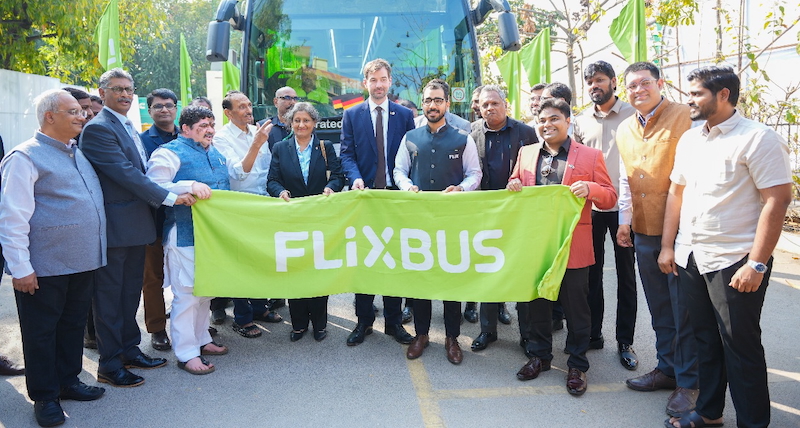
MUMBAI: It’s made an electrifying start in India. In its first year of operations FlixBus India, in partnership with Eto Motors, has introduced an EV bus for travel between Hyderabad and Vijayawada. The collab between the two marks a bold stride towards sustainable long-distance mobility, reinforcing India’s vision for a cleaner, greener transport future.
The inaugural electric bus was flagged off at ITC Kakatiya, Hyderabad, by Telangana minister of transport and BC welfare Ponnam Prabhakar. Also present at the event were German Embassy in New Delhi counsellor for digital and transport Alexander Reck; Thunder Plus CEO & Eto Group chief marketing officer Rajeev YSR; & FlixBus India managing director Surya Khurana.
Ponnam Prabhakar lauded the initiative, stating, “FlixBus and Eto Motors will address the long-distance sustainable mobility needs of Telangana and the southern region through a technology-driven approach. We hope this collaboration accelerates the adoption of electric buses nationwide.”
The pilot project is set to launch on the Hyderabad-Vijayawada route with four electric buses. A two-week trial period will take place before the official rollout in late February, followed by a 12-week assessment of key factors such as battery efficiency and passenger demand. Supported by Thunder Plus, the charging infrastructure will feature depot-based and opportunity charging stations equipped with 240 KW fast chargers to maintain seamless operations.
Eto Motors group CMO Rajeev YSR highlighted the significance of the initiative, stating, “Our partnership with FlixBus India revolutionises intercity travel with sustainable mobility solutions. This completes our green mobility offering—covering first-mile, last-mile, and now middle-mile travel. We have also established dedicated charging hubs along the route with amenities for passenger convenience.”
FlixBus India MD Surya Khurana emphasised the company’s commitment to sustainability, stating, “FlixBus India has rapidly expanded in its debut year, connecting over 200 cities with efficient and affordable bus services. With the introduction of electric buses, we are furthering our commitment to reducing carbon emissions and exploring alternative fuels in line with India’s sustainability goals.”
The advanced EV fleet will feature safety enhancements such as dashcams, GPS, and ADAS to ensure a seamless travel experience.