MAM
Finding the Best Family Health Insurance in India


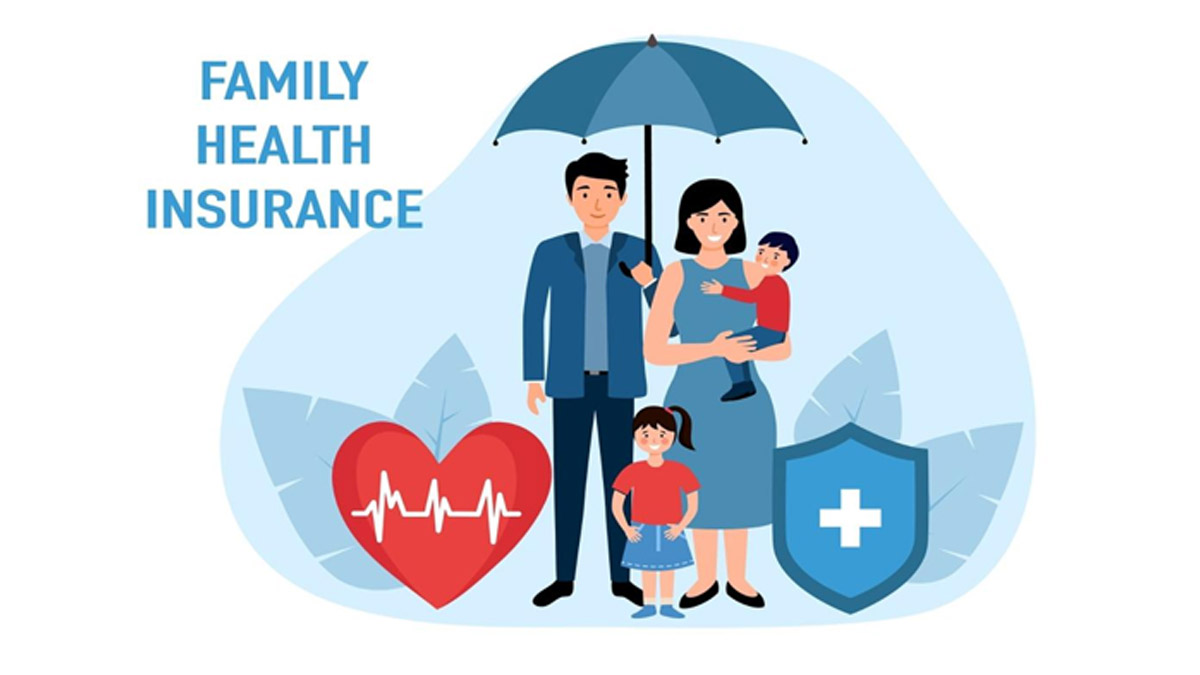
The best family health insurance in India comes down to matching the sum insured with your family’s real medical needs, checking the hospital network near you, and reading the exclusions before you sign anything. A good policy protects your savings during a crisis instead of adding to your stress.
Quick Reads
- Out-of-pocket health spending in India has dropped to around 39 per cent of total health expenditure, down from over 64 per cent less than a decade ago.
- A typical hospital stay in an Indian city now costs close to ₹47,000, and families end up paying roughly ₹39,000 of that themselves.
- Healthcare costs in the country are rising by nearly 14 per cent every year, well ahead of regular inflation.
- Health insurance now covers close to 45 per cent of urban households, up sharply from under 20 per cent just a few years back.
- GST on family health insurance premiums was scrapped in September 2025, which quietly brought costs down for a lot of households.
Nobody plans for a hospital visit, and that’s exactly the problem. One bad week can wipe out months of savings if your family isn’t covered properly, and with treatment costs climbing every year, picking the wrong plan is an expensive mistake to make. So which health insurance is best in India for family use, really? It’s not about the cheapest premium or the flashiest ad. It’s about a policy that actually fits your household’s age, health, and city. Let’s get into how to find that.
What Is Family Health Insurance?
In simple terms, family health insurance puts everyone in your household under one policy instead of five separate ones.
Think of it as a shared pool. You, your spouse, your kids, and sometimes your parents all draw from the same sum insured, so you’re not tracking multiple renewal dates or paying for overlapping cover. It’s usually cheaper than buying individual policies for each person too. But here’s the thing nobody tells you upfront: if two family members need hospitalisation in the same year, that shared pool can run out faster than you’d expect. That’s exactly why the next section matters so much.
How to Choose the Best Family Health Insurance in India
The best family health insurance plans in India depend on matching coverage, sum insured, waiting periods, and hospital network availability with your family’s health needs. So, here’s what you should follow:
Assess Your Family’s Healthcare Needs
Look at who’s actually going to be on this policy. A young couple with no health issues needs something very different from a household with aging parents managing diabetes or blood pressure. How often does your family end up at a doctor’s clinic? Does anyone have a condition that needs regular monitoring? Answering these honestly before you compare plans saves you a lot of second-guessing later.
Choose an Adequate Sum Insured
Saving a few thousand rupees on premium by picking a lower sum insured rarely feels smart once a hospital bill actually lands on your desk. Metro city families should treat ₹10 lakh as the baseline, not the ceiling, and push that number up if parents are part of the same policy since age adds risk. Before you settle on a figure, call up a hospital near you and ask what a major surgery costs today. That number tells you more than any advisor’s suggestion will.
Check Waiting Periods and Pre-Existing Disease Coverage
Insurers don’t cover every condition from day one, and the wait before they do can stretch anywhere from a couple of years to four, depending on who you buy from. If someone in your family already lives with diabetes, thyroid, or blood pressure issues, don’t just take an agent’s word for the timeline. Ask for the exact waiting period in writing. A policy that starts covering that condition sooner can end up mattering more than a slightly cheaper premium.
Look at Coverage, Exclusions and Sub-Limits
Before anything else, read the exclusions carefully. Some plans quietly cap what they’ll pay for room rent or specific treatments, even when your overall sum insured looks generous. These sub-limits have a way of showing up right when you least expect them, so ask your insurer plainly whether any caps apply to the kind of treatment your family is most likely to need someday.
Check the Cashless Hospital Network
Cashless hospitals save you from paying a huge bill upfront and then chasing reimbursement for weeks. Check if the hospitals you’d actually choose, especially the ones close to your parents or your kids’ school, are part of your insurer’s network. A long list of network hospitals means nothing if none of them is anywhere near you.
Compare Premiums and Policy Benefits
The lowest premium isn’t automatically the best deal, not once you factor in what you’re actually getting. Look at extras like free annual checkups, maternity benefits, or a no-claim bonus before you decide between two similar plans. Sometimes paying a little more each month gets you a policy that pays out a lot more when it counts.
What Mistakes Should You Avoid When Buying Family Health Insurance?
A lot of families make the same handful of mistakes, and most of them only show up once it’s too late to fix.
- Picking a policy purely because the premium is low, without checking whether the sum insured can actually cover a real hospital bill.
- Glossing over room rent limits in the fine print, which can leave you footing a surprisingly large part of the bill yourself.
- Assuming pre-existing conditions get covered right away instead of confirming the exact waiting period with the insurer.
- Signing up for a plan without first checking whether your preferred hospitals are even part of its cashless network.
- Forgetting to update the policy as the family changes, whether that’s a new baby or parents moving in with you.
- Letting a renewal slip past its due date, which can reset waiting periods and leave your family without cover for a while.
Conclusion
There’s no single answer to which health insurance plan is best in India for family needs, because the right policy really depends on who’s in your household and what they need covered. Take the time to get the sum insured right, read past the marketing language into the actual exclusions, and confirm your go-to hospitals are covered before you sign anything. Plans like Niva Bupa Health Insurance are worth exploring while you compare your options too. A little effort now means one less thing to panic about later.