MAM
Festive season spurs growth for Titan in Q3

NEW DELHI: The third quarter of FY21 pushed lifestyle giant Titan on an impressive growth journey after a stunted performance for almost six months in the wake of the Covid2019 crisis. The festive season, headlined by the Hindu festivals of Dussehra and Diwali, prompted the jewellery division to cross the threshold of recovery into the growth phase. Two other divisions, namely watches & wearables and eyewear also moved closer to full recovery.
The jewellery business announced a 15 per cent growth in the 30-day festive period and a similar growth overall in Q3, excluding the sale of raw gold of around Rs 334 crore. The quarter also witnessed a well-rounded recovery with improvement in walk-ins and pick of sales in metros. CaratLane delivered growth of around 39 per cent.
Watches and wearables recorded a recovery rate of 88 per cent in Q3. The recovery was led by e-commerce channels, showcasing an absolute growth of over 30 per cent. The company scaled its omnichannel capability by up to 80 per cent.

Eyewear section had a recovery of around 92 per cent compared to the same quarter last year. Other businesses had a revenue recovery of around 80 per cent.
New ventures
Titan also launched a slew of initiatives through the year that were positively received by consumers. In the high-value studded jewellery section, ‘Moods of the Earth’ collection was launched for fashion-forward women. Zoya customer experience zones were opened as shop-in-shop in four Tanishq stores. In the plain jewellery section, the division added 24 Tanishq stores on a net basis.
Titan launched the latest line of smartwatches TRAQ, and two premium collections for the festive season – Titan Grandmaster and Raga Moments of Joy. Fastrack also launched four major collections in the period.
For the eyewear section, eco-lite stores were introduced, which require lower investment and improve the profitability of the franchisee. A made-in-India IndiFit collection called Titan Crest was also launched.







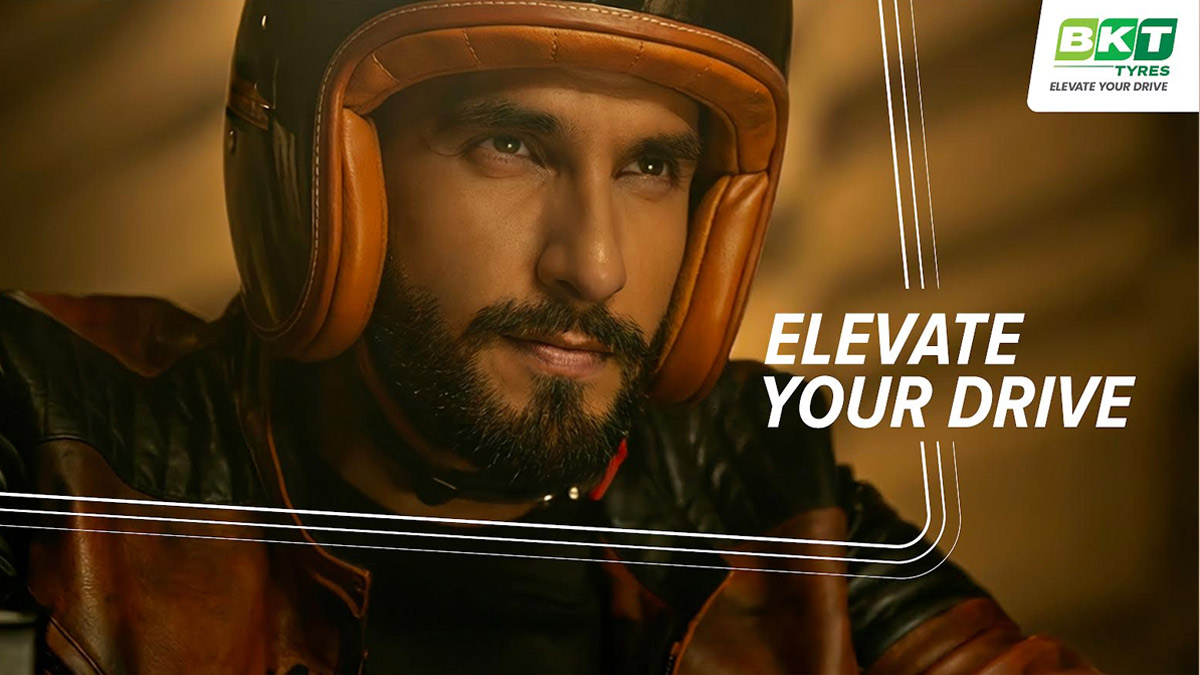
MUMBAI: BKT Tyres has decided to roll into the two-wheeler world with some serious jurrat and it’s brought Ranveer Singh along for the ride. The off-highway tyre specialist has unveiled its new campaign, ‘Jurrat’, marking a strategic push into India’s massive two-wheeler segment. The high-energy TV commercial, featuring brand ambassador Ranveer Singh, debuted on 3 April 2026 during the Indian Men’s T20 League 2026.
The campaign revolves around the core belief that true confidence on the road comes from dependable performance beneath you. ‘Jurrat’ (meaning courage) captures the mindset of riders who navigate dynamic and often unpredictable daily commutes with determination. It brings BKT Tyres’ brand philosophy ‘Elevate Your Drive’ into the two-wheeler space by spotlighting three key product benefits: long life, exceptional road grip, and unmatched comfort.
BKT Tyres chief marketing officer for India Mahesh Koppad said, “India’s two-wheeler segment reflects the way the country moves, works, and progresses every day. ‘Jurrat’ highlights how performance-led tyres, engineered for long life, comfort, and grip, enhance the overall riding experience and support uninterrupted progress in everyday life.”
The campaign is being rolled out across television and digital platforms with high-impact placements to ensure maximum reach and engagement.
This launch represents BKT Tyres’ calibrated expansion from its stronghold in off-highway tyres to becoming a more holistic mobility brand, addressing the everyday transportation needs of millions of Indian riders who rely on motorcycles and scooters as their primary mode of transport.
In a segment where confidence is everything, BKT Tyres is betting that a combination of bold celebrity appeal and strong product performance will help it gain serious traction on Indian roads. The campaign signals that the company is ready to move beyond its traditional turf and accelerate in the fast-paced two-wheeler market.






