Brands
Eternal pumps Rs 450 crore into Blinkit as quick commerce race heats up
Fresh funds fuel Blinkit’s expansion as rivals Zepto and Instamart scale up


MUMBAI: Eternal has infused Rs 450 crore, into its quick commerce subsidiary Blinkit, marking its first capital injection into the company in 2026. The funding comes as competition in India’s fast-growing quick commerce market continues to intensify.
According to media reports, the capital infusion was approved by the board through a rights issue, with 2,799 equity shares allotted at an issue price of Rs 16,07,161 per share. The funds are expected to support Blinkit’s expansion, operational expenses and working capital needs as it scales operations across more cities.
The latest investment follows significant funding support from Eternal in 2025. The company invested Rs 500 crore in January, Rs 1,500 crore in February and Rs 600 crore in November, taking the total infusion last year to Rs 2,600 crore. The continued funding highlights Eternal’s focus on strengthening its quick commerce business.

Blinkit’s operations have grown rapidly alongside these investments. In the December quarter of FY25, the company reported revenue of Rs 1,399 crore, up from Rs 644 crore in the same period a year earlier. Gross order value also rose to Rs 7,798 crore during the quarter, reflecting strong demand for rapid delivery services.
However, profitability remains under pressure as the company continues to expand. Blinkit reported an adjusted ebitda loss of Rs 103 crore in the quarter, compared with a loss of Rs 8 crore in the previous quarter.
The funding comes at a time when competition in the quick commerce segment is increasing. Rival startup Zepto raised $450 million in October last year, while Swiggy raised around Rs 10,000 crore in December to strengthen investments in its quick commerce arm Instamart.
Earlier this year, Blinkit CEO Albinder Dhindsa was elevated to group CEO of Eternal, succeeding Deepinder Goyal, reflecting the growing strategic importance of the quick commerce business within the company.







Brands
YES Bank appoints S Anantharaman as chief risk officer
Former Jio Financial Services group chief risk officer takes charge of enterprise-wide risk at the embattled private lender
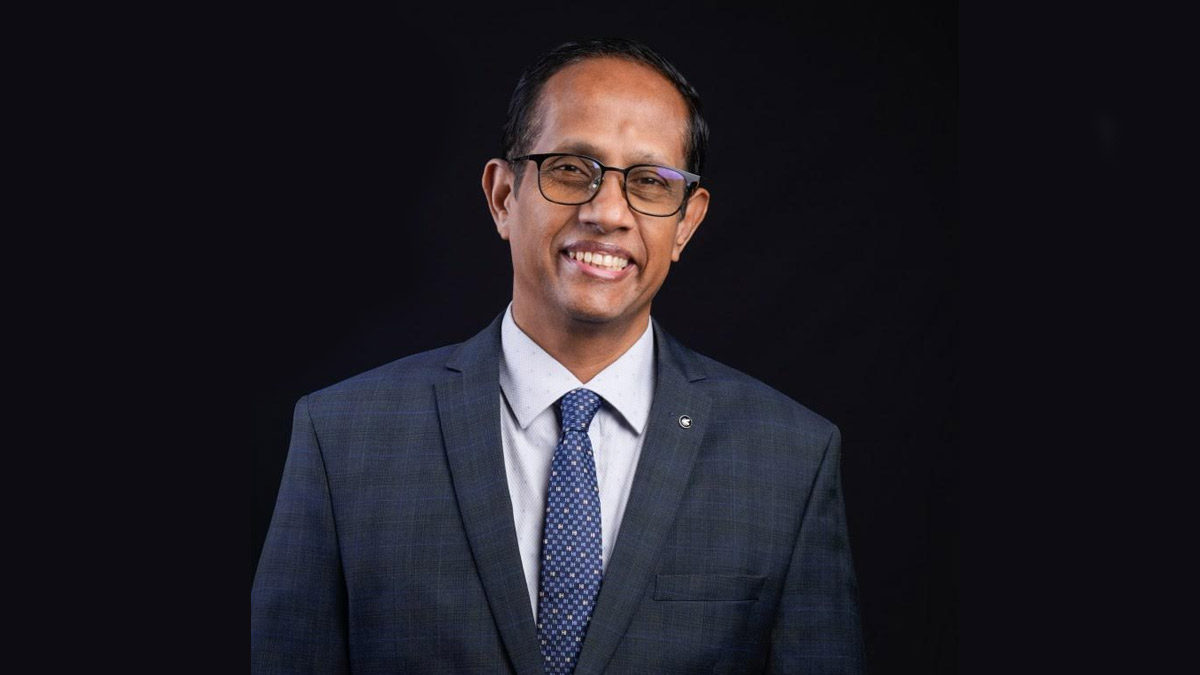
MUMBAI: YES Bank is not taking chances with risk anymore. The private lender has appointed S Anantharaman as its chief risk officer, a hire that signals the bank’s continued effort to rebuild credibility and tighten the controls that once famously slipped.
Anantharaman arrives from Jio Financial Services, where he served as group chief risk officer and built a risk management architecture spanning lending, payments, insurance broking and asset management from the ground up. Before that, he held the chief risk officer role at Bank of Baroda and senior leadership positions at HDFC Bank and L&T Finance Holdings. Three decades in banking and financial services, in other words, with scars and qualifications to match. He is a chartered accountant and a CFA charterholder.
At YES Bank, his brief is considerable. Anantharaman will oversee the bank’s entire enterprise-wide risk framework, covering credit policy, market risk, operational risk, information security, data governance, analytics, model governance and data privacy. It is, in short, every lever that matters when a bank is trying to prove it has grown up.
YES Bank’s turbulent past needs little rehearsing. What it needs now is exactly what Anantharaman has spent thirty years building: the kind of risk culture that stops problems before they become headlines. The appointment suggests the bank knows it.






