MAM
Essential Car Insurance Terms to Understand Before the Monsoon

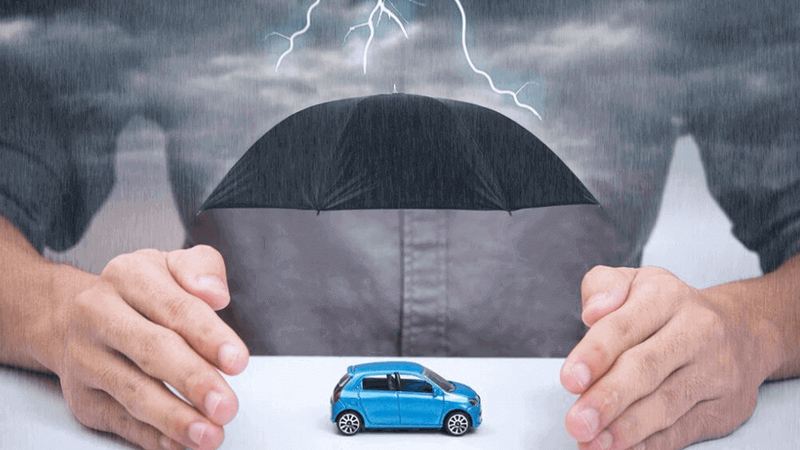
The Indian monsoon season is generally accompanied by torrential rainfall, floods, landslides, hailstorms and high humidity. All these can seriously damage your car, causing corrosion, engine failure, water ingress, short circuit and sudden breakdown. Having a clear understanding of your car insurance terms can help you avoid expensive surprises during claim registration. Buying car insurance online during the monsoon season makes it easy to check what different plans offer in terms of coverage and claim settlement, review premiums from multiple insurers, compare add-ons and purchase policies without any delay.
Introduction
Rain after the sweltering summer months is very refreshing and calming. However, they also come with unique challenges for car owners, especially those living in flood-prone areas. Potholes, water-logged streets, unexpected floods, storms and stalled engines are common during this season, and they can turn your daily travel into a costly nightmare almost instantly.
Your repair cost can spike, and insurance claims may not go through if your policy isn’t clear enough or updated. That’s why getting the right car insurance online and understanding its terms can make all the difference. This guide breaks down important insurance terms and offers clear explanations, so you are sufficiently prepared before the skies burst open.
Car Insurance Terms You Need to Know Before the Monsoon
Knowing what your car insurance covers, what it doesn’t and how to upgrade it for monsoon-prone areas can help you make the best decision during renewal.
1. Types of Coverages
Third-Party Car Insurance: This plan financially and legally covers the damages your vehicle causes to other individuals or their property. The third-party car insurance is mandatory by law under the Motor Act, 1988, but it doesn’t protect your vehicle from monsoon damage.
Comprehensive Insurance: It is a complete and customisable plan that covers both third-party liabilities and own car damages. This broader protection is beneficial during the monsoon season when your vehicle faces multiple risks simultaneously, including floods and fire from a short circuit.
Personal Accident Cover: This cover offers financial protection if you suffer injuries in an accident. It pays ambulance charges and medical expenses and provides compensation for permanent disability or death.
2. Insurance Declared Value (IDV)
IDV is your car’s current market value as determined by your insurance company. It is the maximum amount the insurance company will pay if your car is completely damaged or stolen.
Your IDV decreases each year due to depreciation – a new car’s IDV is about 95% of its showroom price. Note that choosing a higher IDV means paying higher premiums, but it also means better compensation during claims.
3. Add-Ons for Riders for the Monsoons
Here are a few useful add-ons you must consider if you live in a heavy monsoon-prone area:
Engine Protection Cover: This add-on protects your engine from water damage. Standard comprehensive policies don’t cover a hydrostatic lock, where water enters your engine cylinders.
Zero Depreciation Cover: This cover ensures you receive the full claim amount without depreciation deductions.
Roadside Assistance: It provides emergency services like towing, battery jump-start and flat tyre replacement if you are stranded in a waterlogged area. This cover is valuable for people living in remote areas or hill stations.
Consumables Cover: This useful add-on pays for items like engine oil, nuts, bolts, coolant and brake fluid, which often need replacement after water damage. These costs, usually not covered in standard comprehensive car insurance policies, can add up significantly during claims.
You can only top up your comprehensive insurance with these add-ons and not third-party or personal cover. Riders can be added at the time of policy purchase or renewal.
4. Deductibles
Deductibles are the amount you pay from your pocket before the insurer covers the rest during a claim settlement. This amount is decided when you renew or buy the policy.
Lower deductibles mean higher premiums, but you’ll pay less during claims. There are two types of deductibles:
. Compulsory deductible: This amount is fixed by the insurer based on your claim history and car make and model.
. Voluntary deductible: It is a higher out-of-pocket amount you choose in exchange for a lower premium.
Know your deductible amount so you are not surprised during claims, especially if there are chances of making multiple claims. In addition, consider your financial capacity when deciding on the voluntary deductible.
Tips to Protect Your Car Insurance During Monsoon
Use these steps to make sure your insurance helps you when you need it most.
1. Document Car Condition: Take photographs of existing scratches, dents and mechanical issues before the monsoon begins. This will help during claim settlement.
2. Check Your Current Insurance Policy: Make sure it’s comprehensive and has monsoon-related add-ons and terms. For example, many policies exclude damage from driving through flooded areas despite official warnings.
3. Avoid High-Water Areas: Do not drive through waterlogged areas. Even with an engine protection cover, your claim can get rejected if driving through the region was deliberate. Also, prevention is better than time-consuming repairs.
4. Service Your Car Before Monsoon Starts: A well-maintained vehicle has fewer chances of suffering damage and wouldn’t face claim rejections.
5. Don’t Delay Renewal: If your vehicle’s car insurance policy is expiring just before the monsoon hits, don’t delay renewal, thinking that you wouldn’t be taking your car out. Even parked vehicles can be damaged and need proper insurance coverage.
Key Takeaway
The monsoon season doesn’t have to be a nightmare for car owners. With a well-understood and active policy, you can manage risks and avoid unnecessary repair costs. Buy or renew your car insurance online after checking what’s covered and what else you need. Make sure your car is protected against engine damage, electrical issues, breakdowns and more.
Disclaimer: The above information is for illustrative purposes only. For more details, please refer to the policy wordings and prospectus before concluding the sales.