MAM
Enough potential in urban India before going rural: L’Oréal Paris

MUMBAI: It was 1993 when French beauty brand L’Oréal Paris made its way to India. An instant hit with the newly privatised economy, the brand has been a favourite of Indian women in the ensuing two decades.
Considered as a young player in India’s cosmetics market, L’Oréal is the fastest-growing beauty company in the company with an annual average of 30.2 per cent and has representation in over 800,000 points of sale. It is the third leading operator in the Indian cosmetics market with a 10 per cent market share in the urban areas, claims the company.
The beauty and personal care market in India is valued at Rs 81,000 core. The India revenue of L’Oreal, according to industry estimates, is currently Rs 3,000-3,500 crore a year. In order to cater to the Indian market optimally, the cosmetics group has, over the years, launched several brands across various product categories.

In order to be up-to-date, L’Oréal follows a combination of traditional and new-age media for marketing and advertising. L’Oréal Paris general manager Raagjeet Garg says that the company looks at television, digital, social media platforms, digital videos, outdoor and other BTL media to connect with consumers.
The brand invests heavily on marketing every year and the number is only increasing yoy to ensure it reaches a wider number of consumers and with a differentiated campaign. Going forward, the company will look at creating more India-specific products.
L’Oréal is trying to shake off the luxury brand image. As a matter of fact, its products start at Rs 3 (for a sachet of shampoo).
In interior India, the brand faces stiff competition from local products but the brand is still pursuing urban consumers since the saturation point hasn’t yet been hit. Garg says, “There is enough potential to get enough consumers in the urban population before we start targeting the rural areas. The objective eventually will be to speak to as many consumers as possible but that will happen in a phased manner and we want to get the urban and tier 1, tier 2 markets first and then talk about the rest of the consumers around the country.”
The L’Oréal Paris brand encompasses the four major beauty categories — hair colour, cosmetics, hair care, and skin care — and includes brands as Excellence Crème, Total Repair 5 hair care, Pure Clay masks, White Perfect, Fall Repair, Revitalift, Volume Million Lashes mascara, Color Riche lipsticks, Superliners and True Match foundations among many others.
With its signature phrase, “Because We’re Worth It”, the brand wants to inspire women to embrace their own unique beauty and reinforce their sense of self-worth.
India being a strategic country for L’Oréal international, it picked the right A-list Bollywood actresses as brand ambassadors – Aishwarya Rai-Bachchan, Sonam Kapoor and Deepika Padukone. These women encompass a wide range of target audiences in terms of age group and lifestyle.
The brand also recently celebrated 21 glorious years as the official make-up partner for the Festival de Cannes. Garg says, “I think if the relationship is beautiful, you just want to nurture the relationship and that’s exactly what we do with Cannes. Each year we realise it is only getting better and better.”
The Cannes Film Festival will take place from the 8 to 18 May where Padukone will be walking the red carpet for the second time along with Rai-Bachchan, who will be completing 17 years at the festival. Kapoor will be seen for the eighth time at Cannes along with other spokespersons including Julianne Moore, Helen Mirren and Doutzen Kroes.
Garg pointed out that Cannes association is not ROI driven or to create brand visibility but rather to democratise that beauty is for everyone. The company will soon be making its Cannes collection available at its L’Oréal Paris counters and some e-commerce sites in India.
Also Read :
Mirza and the art of brand endorsement
Unibic makes a dent in the cookie segment
RAW Pressery working on slow but steady expansion





MAM
Beacon Group appoints Dr Rajesh Patel as Group CEO
36-year healthcare veteran to lead Beacon Diagnostics, Vector Biotek, Biogeny.
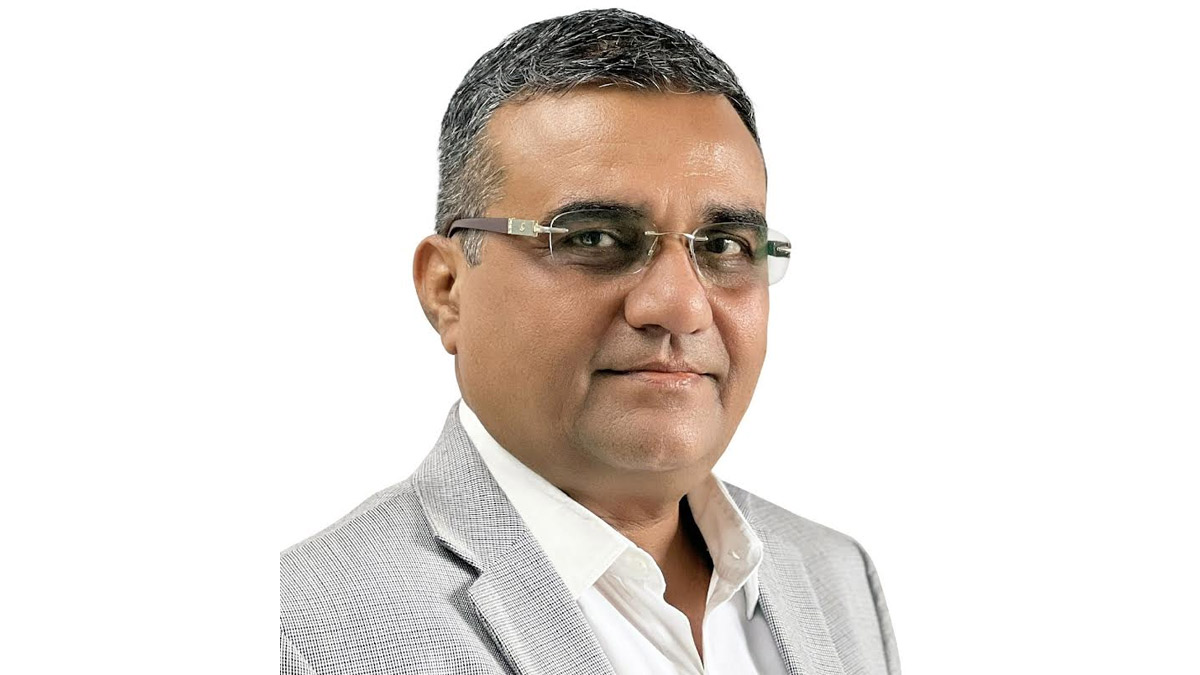
MUMBAI: A new chief, a fresh diagnosis and a sharper prescription for growth. Beacon Group has appointed Dr Rajesh Patel as its Group Chief Executive Officer, effective April 1, 2026, signalling a decisive push to scale its presence in the diagnostics and IVD space. Patel steps into the role with 36 years of experience across the healthcare and diagnostics industry, bringing a career shaped by leadership roles spanning sales, marketing, business development and operational strategy. His mandate is both expansive and precise: to steer the group’s overall strategic direction while tightening coordination across its three core entities Beacon Diagnostics, Vector Biotek and Biogeny Diagnostics.
In practical terms, that means driving cross-company synergies, accelerating market expansion and strengthening organisational capability areas increasingly critical as diagnostic players compete for scale in a fragmented yet rapidly evolving healthcare ecosystem. The group is positioning itself to capture unmet demand across chain laboratories, key accounts and standalone labs, segments that remain underserved despite growing diagnostic needs.
The appointment comes at a time when the In Vitro Diagnostics (IVD) sector in India is entering a more competitive and innovation-led phase, with companies focusing not just on product pipelines but also on service delivery, integration and customer-centric models. Beacon’s leadership appears to be betting that Patel’s execution-focused approach can help translate ambition into operational momentum.
Welcoming the appointment, Chairman Dr D K Joshi described Patel’s induction as a strategic move aligned with the group’s long-term vision, emphasising the role of leadership depth in navigating the next phase of growth.
For Beacon Group, the message is clear, in a sector where precision matters, leadership is the new differentiator—and this appointment is intended to set the tone for what comes next.






