Brands
Elon Musk calls Tesla China sale report fake amid SpaceX merger speculation
WSJ report sparks buzz over China business split as Musk swiftly shuts down claims


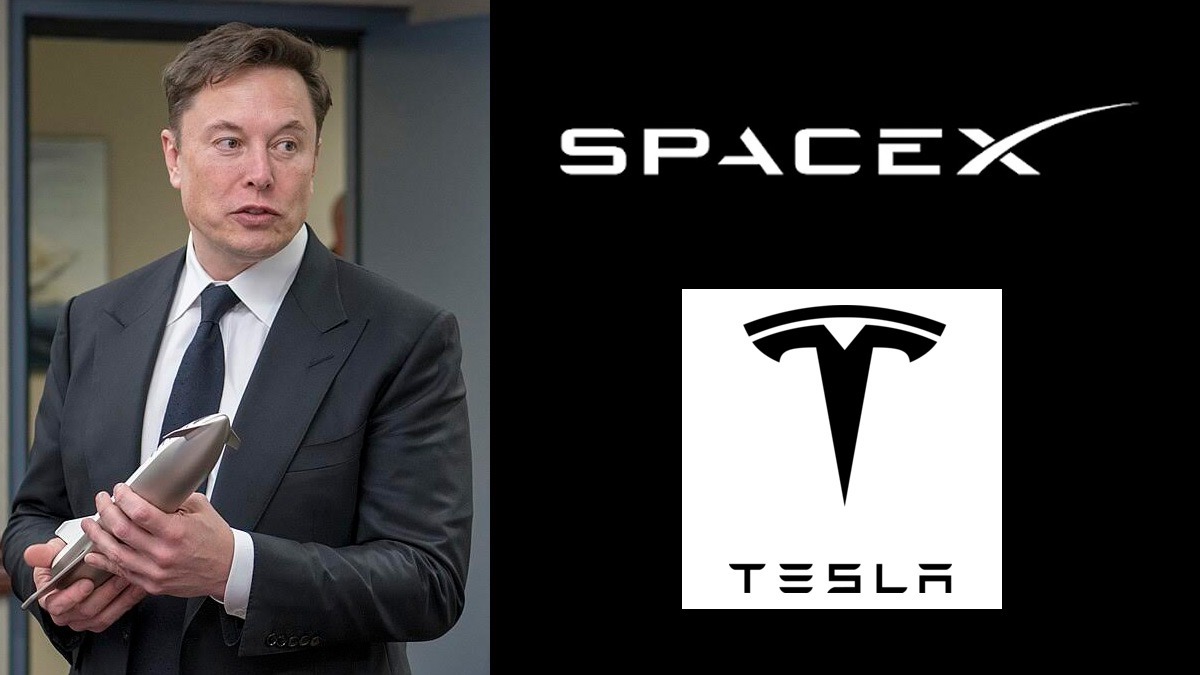
New Delhi: Looks like the rumours have hit a roadblock. Tesla chief Elon Musk has dismissed reports that the electric vehicle maker is weighing a sale or spin off of its China business to pave the way for a possible merger with SpaceX, branding the claims as “fake news”, according to a Reuters report.
The denial came after a report by The Wall Street Journal, citing people familiar with the matter, claimed Tesla executives had been asked to prepare for a separation of the company’s China operations. According to the report, advisers had explored multiple options, including a spin off, sale or even closure of the China business, although no final decision had been taken and discussions remained fluid.
The report suggested the restructuring was part of a broader effort to insulate Tesla’s US operations from escalating geopolitical tensions between the United States and China. It added that Musk had instructed executives in recent years to build what was described internally as a “laser” separation between the company’s US and Chinese businesses, ensuring the American business could continue operating independently if relations between the two countries deteriorated.
Tesla’s China business is central to the company’s global operations. Its Gigafactory Shanghai is the automaker’s largest and most productive manufacturing facility, with an annual production capacity exceeding 950,000 vehicles. The plant also serves as Tesla’s primary export hub for Europe and the Asia-Pacific region and has historically contributed more than half of the company’s worldwide vehicle deliveries.
Unlike many foreign automakers operating in China, Tesla’s local business is not structured as a joint venture with a domestic partner. The company has also built a deeply localised supply chain, sourcing more than 95 per cent of components used in China-made Model 3 and refreshed Model Y vehicles from domestic suppliers. More than 400 Chinese suppliers support production, with over 60 also supplying Tesla’s global operations.
The report further claimed Tesla executives had discussed creating a separate export sales entity for vehicles produced in Shanghai. Other proposals reportedly included setting up independent office systems and restricting direct access between China-based employees and teams elsewhere in the company.
China remains Tesla’s second largest market after the United States, but competition has intensified as domestic manufacturers, particularly BYD, continue to expand their market share with increasingly competitive electric vehicle offerings.
Speculation around a possible merger between Tesla and SpaceX has also gained traction in recent months. Musk has previously declined to rule out combining the two companies, pointing to growing overlap in their technologies and long-term ambitions.
Earlier this year, SpaceX president and chief operating officer Gwynne Shotwell said bringing the companies together “might make Elon’s life a little easier” by simplifying management across his businesses.
Operationally, Tesla’s China business has continued to perform strongly. Deliveries of China-made Model 3 and Model Y vehicles rose 24.4 per cent year on year in June, while second quarter sales and exports from the Shanghai factory increased 32.8 per cent, underlining the strategic importance of the facility to the company’s global ambitions.
For now, however, the biggest move appears to be Musk’s swift rejection of the speculation. Until Tesla signals otherwise, reports of a China business break-up remain firmly parked in the rumour lane.