Brands
E-commerce growth rises, but profits come under pressure
Shop Culture flags rising costs, weak systems and a $5.38 billion quick-commerce boom reshaping global retail


MUMBAI: E-commerce is booming, but profits are thinning. A new report by Shop Culture warns that brands clinging to outdated, growth-at-all-costs strategies are being outpaced in a costlier, more complex 2025 landscape.
Global online retail is expected to cross $6.86 trillion this year, with 2.77 billion shoppers making at least one purchase. Yet returns are under strain: average return on ad spend has slipped to 2.87:1, exposing cracks in how brands chase scale without building sustainable margins.
Three shifts are rewriting the rules. First, retail media is getting pricier, with Amazon’s average cost per click rising 15.5 per cent year-on-year to $1.12. Second, while 77 per cent of e-commerce professionals now use AI daily, many see limited gains as weak systems blunt its impact. Third, geography is no longer expansion, it is strategy. The share of Shop Culture clients operating across multiple markets has more than doubled, from 30 per cent in 2024 to 65 per cent in 2025.

Subarna Mukherjee, founder and ceo, Shop Culture, is blunt: “The e-commerce industry has a nostalgia problem. In 2022, the playbook was simple: list aggressively, spend on ads, and ride the wave of post-pandemic digital adoption. It worked. Revenue grew rapidly. But by 2025, the industry is seeing the consequences of those structural shortcuts. E-commerce itself is not slowing down, the challenge lies in how brands are operating within it.”
Nowhere is the shift sharper than in India’s quick-commerce boom. The segment is set to hit $5.38 billion in 2025, growing 17 per cent and emerging as the fastest-growing globally. What began as a convenience play is fast becoming a margin buffer. In one case, quick commerce drove 70 per cent of a packaged food brand’s online revenue, delivering 130 per cent year-on-year growth. A beauty brand, meanwhile, saw selling prices rise 25 per cent higher than on traditional marketplaces.
Expansion, too, is being rethought. The report argues that brands chasing the largest markets first often stumble. Better outcomes come from sequencing entries based on efficiency, regulatory readiness and competition, with markets such as the UK and Germany offering smarter entry points than the United States.
Compliance has turned from a checkbox into a revenue lever, especially in Europe. Brands with ready frameworks can go live in 8 to 12 weeks, while others risk delays of six months or more due to listing and documentation hurdles.
AI, for all the hype, is no silver bullet. Across more than 1,500 listings, it improved conversion rates by 10 to 15 per cent, cut TACOS by 7 to 10 per cent and reduced stockouts by 20 per cent, but only when layered on strong foundations. As Mukherjee puts it: “AI is not a growth strategy, it is an amplifier. It enhances strong systems and exposes weak ones.”
The message for 2026 is stark. Growth alone will not save brands. Margins, discipline and smarter strategy will. In a market still expanding at breakneck speed, the real race is no longer for scale, it is for survival.







Brands
TCS proposes Rs 31 dividend as Q4 results reflect steady profit growth
Tech giant recommends final payout following a year of steady growth and expansion
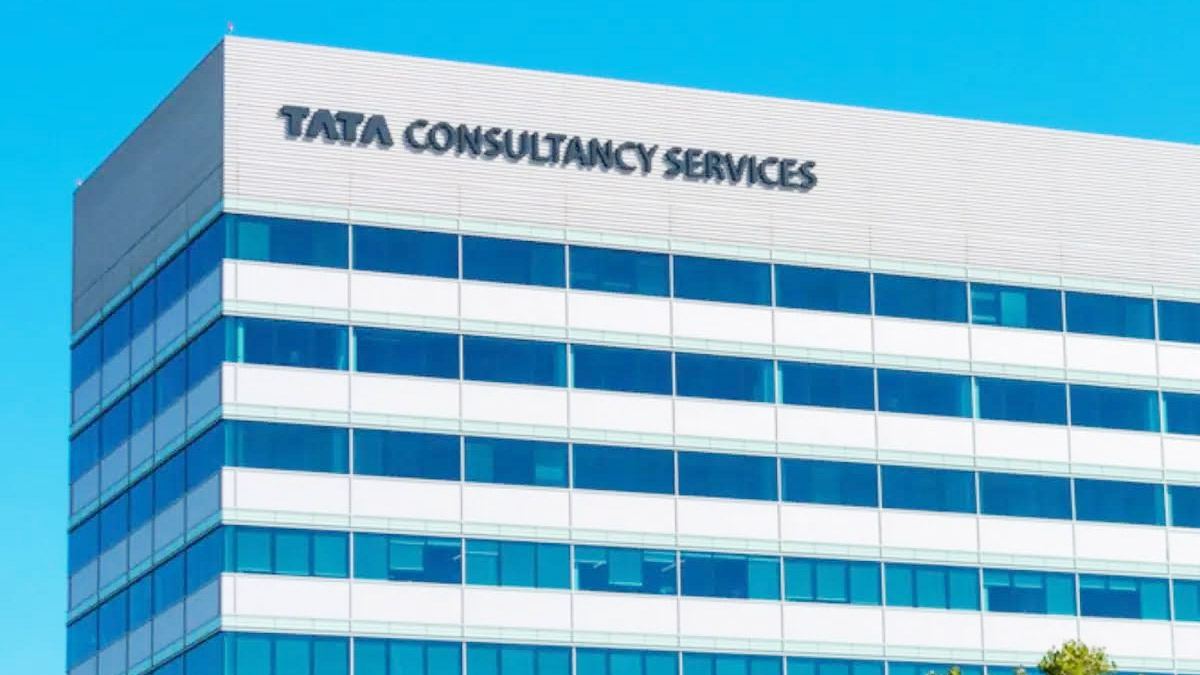
MUMBAI: Tata Consultancy Services Limited has signalled its confidence in the digital future by recommending a final dividend of Rs 31 per share. The payout, which remains subject to shareholder approval at the upcoming annual general meeting, caps off a year of significant activity for the global IT services leader.
The company reported a consolidated revenue from operations of Rs 267,021 crore for the year ended 31 March 2026, representing a steady increase from the Rs 255,324 crore recorded in the previous financial year. Net profit for the period also saw an uptick, reaching Rs 49,454 crore compared to Rs 48,797 crore twelve months prior.
Growth was visible across several key sectors, with banking, financial services, and insurance remaining the company’s largest revenue generator, contributing Rs 103,363 crore to the annual total. Despite the positive trajectory, the firm navigated some financial headwinds, including a one-off provision of Rs 1,010 crore related to a legal claim and Rs 1,388 crore in restructuring expenses.
The year was also defined by a flurry of international expansion. The group successfully integrated several new entities, including the acquisition of Coastal Cloud Holdings, LLC in January 2026 and the incorporation of new subsidiaries in Morocco and Saudi Arabia.
With its global footprint expanding and a healthy dividend on the horizon, the firm appears well-positioned to maintain its momentum in the competitive tech landscape.






