Brands
Dua Lipa opposes Samsung bid to dismiss $15m lawsuit over alleged image misuse
Singer says TV packaging could imply endorsement as Samsung disputes claims over photo rights


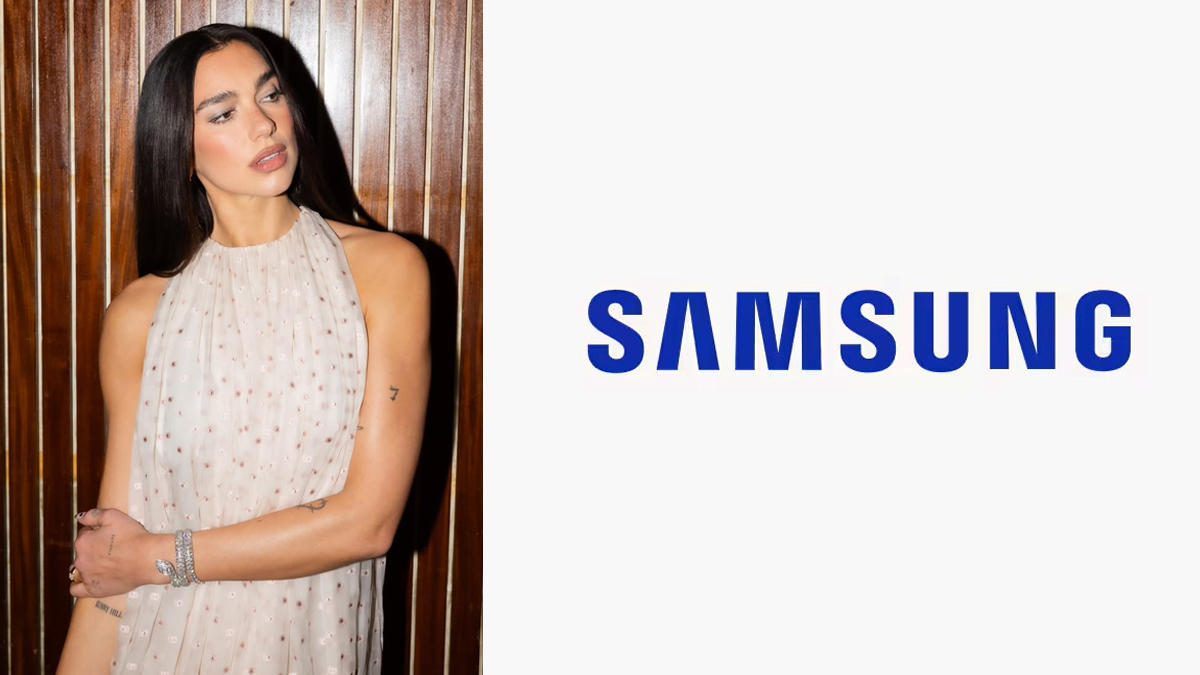
LOS ANGELES: Pop star Dua Lipa has opposed Samsung’s attempt to dismiss her $15 million lawsuit over the alleged unauthorised use of her photograph on television packaging in the US, arguing that the display could have led consumers to believe she endorsed the company’s products.
Lipa’s lawyers filed their opposition on 16 October 2026 in the US District Court for the Central District of California, according to Law Commentary. The filing challenges Samsung’s arguments on false endorsement and publicity rights, maintaining that the alleged commercial use of the singer’s image warrants judicial consideration.
The dispute centres on a photograph taken backstage at the 2024 Austin City Limits music festival. Lipa alleges that Samsung reproduced the image inside a mock television screen printed on retail packaging, alongside programming available on its Samsung TV Plus streaming platform.
The singer filed the lawsuit on 8 May 2026, accusing Samsung of copyright and trademark infringement, false endorsement and violations of her publicity rights. Her complaint alleges that the packaging appeared on television products sold in the US during 2025 and 2026, despite repeated requests to stop using the image.
Lipa is seeking at least $15 million in damages, along with additional relief relating to profits she claims Samsung earned from the alleged unauthorised use.
Samsung maintains that the photograph was intended to showcase the entertainment available on its televisions rather than suggest that Lipa had entered into an endorsement arrangement with the company.
The electronics maker has also said a third-party content provider assured it that the necessary permissions had been secured, including for the photograph’s use on retail packaging. Samsung denies deliberately misusing the singer’s image.
In a motion filed on 10 September, the company argued that the presence of a celebrity’s photograph does not, by itself, establish trademark rights. It also contended that consumers would interpret the image as a representation of television content rather than an indication that Lipa endorsed the product.
Lipa’s lawyers counter that the singer’s established commercial partnerships and selective licensing of her name and image could lead consumers to interpret the packaging as an authorised association with Samsung.
The competing arguments put consumer perception at the centre of the false endorsement dispute: whether the image simply illustrated content available on Samsung televisions or could reasonably suggest a commercial relationship with the singer.
The parties also disagree over which jurisdiction’s laws should govern Lipa’s claims concerning the commercial use of her identity.
Samsung has argued that English law should apply because the singer is domiciled in England. The company contends that English law does not provide a standalone publicity right comparable to the protection Lipa is seeking in the US.
Her legal team argues that California law should govern the alleged use of her image on products sold in the state. The lawyers have also challenged Samsung’s interpretation of English law, arguing that its position could restrict the options available to English celebrities seeking to contest unauthorised commercial uses of their identities in California.
The court’s decision on the applicable law could determine which publicity-related claims proceed, independently of the copyright, trademark and false endorsement allegations.
US District Judge Christina A. Snyder has yet to rule on Samsung’s motion to dismiss. Samsung is due to file its reply on 13 November 2026, while a hearing has been scheduled for 14 December 2026.
The case will test how courts assess the use of celebrity images on consumer products when a company says the image illustrates available content, but the celebrity argues that the presentation could imply an endorsement.