MAM
“Digital marketers need to lean into multi-format”: YouTube India head of consumer marketing Mansha Tandon

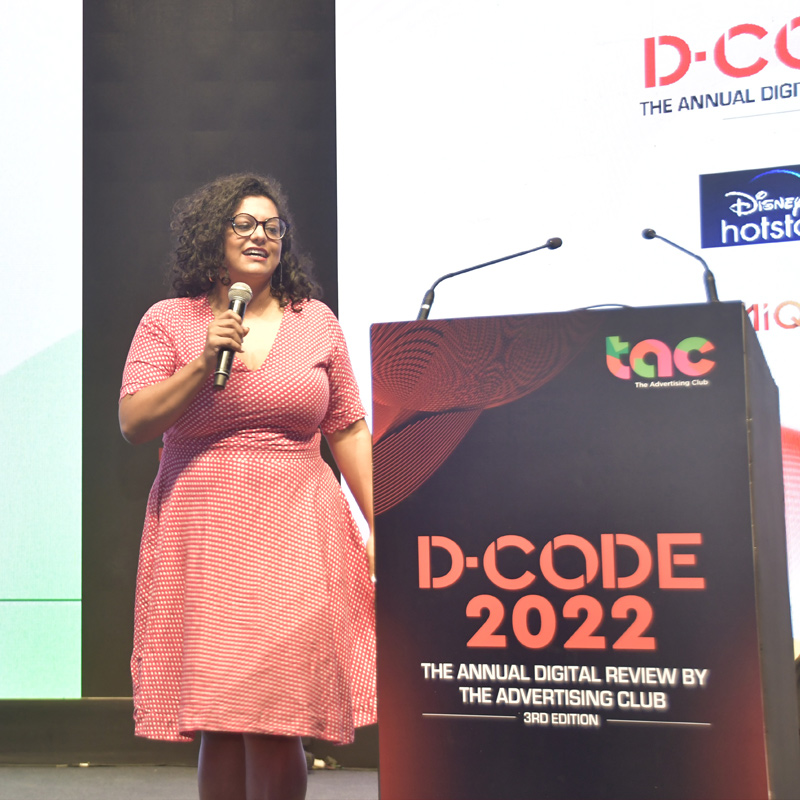
Mumbai: At The Advertising Club’s third edition of D:CODE, YouTube India head of consumer marketing Mansha Tandon spoke about shaping creativity with culture and trends in the digital space. She added that leaning into multi-format is important, while offering tips and tricks for digital marketers. She mentioned, “Trends are born from creativity that is no longer restricted to one digital video format.”
Tandon said that years ago, success on YouTube was about a viral video like ‘Charlie Bit My Finger.’ The video represented a monolithic pop culture moment, a one-to-many phenomenon. The video gained immense views in a very short period of time.
Today, digital trends are continuous, interconnected, and cumulative. The latest trend, ‘Choti Bacchi Ho Kya,’ from the movie “Heropanti,” released back in 2014 starring Tiger Shroff, is now popular due to a mimicry artist on the platform. It became a remix song. It became a gaming video on YouTube Shorts. It became a promotional video for “Heropanti 2.”
The monolithic pop culture has become personally relevant fragmented moments based on the user’s tastes and preferences. It is not about one viral video at present. It is about how those viral videos go into different formats.
The second tip she shared is that digital marketers should capitalise on community creativity. Communities are groups of people united by the same interests and passions. What YouTube is seeing today is that one of the most powerful forms of this community is fandom. For instance, K-pop. Then there has been an increase in professional Marvel fans in India. The way they create content is through short-form videos, episode breakdowns, and deep dive podcasts. The fact is that it is not niche. Many of these channels have millions of subscribers. The lesson is that marketers should not only demographically and psychographically do digital campaigns. They should tap into the shared passions and sources of fandom of very young consumers.
Her third and final point was that marketers should truly represent regional creativity in their digital work. Marketers should not underestimate the kind of creativity going on in areas across the country. Localising creativity in the language and culture is important. But there are other interesting ways in which this is happening. International trends with regional nuance are being followed. Apart from hyperlocal, global into local, there is something being seen that she called interlocal. It is about pan-India content. So something from the North finds a huge fan following in the South. When trends go national, regional creators find the inspiration to create magic. She gave the example of the Badshah’s Jugnu Challenge, seen last year. It spawned many versions across the country. An absolute evolution in entertainment and creativity is being seen.
She further noted that without entrepreneurs, creators, and users, digital would not be where it is today. She gave the example of Olympic gold medallist Neeraj Chopra, who was on-boarded as a creator on YouTube. It was not enough to just make a film about his story. The aim was to connect the dots. Now he has 1,00,000 subscribers. A short challenge, ‘JavRun,’ was done for GenZ users. It was so successful that a question on the ‘JavRun’ challenge made it to KBC. This is an example of a digital campaign seeping through pop culture and bleeding into offline touchpoints.
She also spoke about Nike. It was about NFT sneakers and other stuff that makes young people excited. She also gave an example of Alexa, which is Amazon’s voice assistance software. Alexa was inserted into a YouTube talk show among humans. It showed the human and conversational side of Alexa. It is a strong example of how brands and creators can collaborate.