MAM
Digital boom spells out recovery for the industry during festive season


MUMBAI: As the world adapts to the post-pandemic world, there’s been a significant shift in the way people shop, eat and look for entertainment among other things. With the festive season around the corner, there are massive expectations riding on digital media as brands experiment and figure out ways to reach their consumers effectively within the online space.
The rapid expansion of the digital advertising space in India has opened up a promising avenue for businesses and brands amid the pandemic. According to Dentsu’s Ad Spend Report from June 2021, the digital ad spend in India has grown from 20 per cent in 2019 to 29.4 per cent in 2021. And while television remains the most popular medium for advertising, its growth was just 7.7 per cent, which goes to show that the digital advertising ad spend is fast catching up with TV.
Advertising Standards Council of India (ASCI’s) ‘Trust in Advertising’ report interestingly revealed that it is not just the metro cities that are viewing ads online. The viewership of digital ads in rural centers, too, was found to be at par with the metros.

“The consumer today is looking out for convenience, everything at the press of a button,” says Madison Media Ultra COO Jolene Fernandes Solanki. “Digital advertising is expected to be the driver for growth across businesses during festivals. With online being the only medium that has grown during Pandemic, digital ad-ex will gain momentum and further grow during this festival. With this significant growth, digital will maintain its second position and contribute a share of 32 to 35 per cent.”
The online market is also seeing an upsurge in Direct-to-consumer players. D2C brands have seen a nearly 200 per cent growth in categories such as beauty, personal care, nutrition, and small electronics, as per industry experts. Brands such as Mamaearth, MyGlamm, SUGAR Cosmetics, Lenskart, Licious, Zivame, Epigamia, BoAt, Wow Skin Science, Country Delight, among others are establishing a strong presence in the D2C arena, fulfilling customer demands despite the challenges thrown in by the Covid-19 pandemic.
With the digital revolution that is connecting customers and businesses across the country, the rise of the usage of social media, apps, and instant messaging platforms has been witnessed. According to Admitad Affiliate India, head, eCommerce vertical Abhijit Banerjee, a lot of brands will be experimenting with digital platforms, which will not just be limited to promotion but will also be the preferred point of purchase. “Each year, brands are leveling up with different marketing strategies and choosing ROI driven marketing channels, coupon codes, deals, and discounts for their consumers,” he says.
The spending skew in digital is growing steadily this time around since it is getting increasingly cluttered on traditional media to get consumer attention, feel industry executives. Apart from that, brands agree that it is much more efficient to tap into new geographies with digital rather than TV. Even as major players already dominate the online space, now smaller, regional players are realising the importance of the medium. Brand advocacy on digital has become quite important; brands are not hesitating to opt for the influencer marketing route like last year as their brand advocates in their campaigns.
The gap between ad spends on TV and digital is narrowing every year. Digital at 35 per cent market share has overtaken print at 16 per cent and is closing the gap with television which stands today at 45 per cent, as per estimates by media agency GroupM.
According to Voiro founder and CEO Kavita Shenoy, online spending is on a steady upward trajectory and digital-first businesses are leaning on this trend to encourage customer consumption. This will see advertisers explore new ways of addressing target segments, across media inclusive of music apps, gaming, contextual commerce, and of course live events.
“Marketing spends will be performance focussed and largely be focussed online as the world is still in lockdown and consumers are still wary of stepping out of home, but prefer to transact online, for everything from groceries to luxuries,” Shenoy says, adding, “The spends indicate that the addressable advertising audience is far more engaged online and that it is easier for brands to measure effectiveness and see ROI in real-time.”
With e-commerce driving consumption, online advertising spends are likely to see a significant uptick this festive season. According to e-retailer Myntra, the adoption of digital channels for shopping continues to accelerate, and there is a continuous increase in the number of categories a customer purchases. The festive sales season which started last week will go on till Diwali and later Christmas and New Year’s, driven by purchases from tier 3 and 4 cities.
As per a recent study conducted by the HI + AI research division, ‘Gipsi’, eCommerce/ Online shopping now has become a habit and will continue to see a rise in spends during the festive season. Even the digitally-hesitant audiences who used to prefer digital shopping only during offers and sales are now shopping online as a convenient option, says Tonic Worldwide’s Unmisha Bhatt.
While digital spends have been consistently rising for the past many years, the pandemic accelerated it to another level. Coupled with the issues with deliveries of newspapers during the extended lockdown, the percentage share of digital spends has spurted in the last year and a half, with digital spends now second only to TV.
“This year, we are slowly seeing things going back to normal but changes in the marketing landscape might stay, ” says DViO Digital founder and CEO Sowmya Iyer. “Brands see a good return on ROI with digital marketing and with the advanced technologies we have at our disposal today, it opens up a wide range of possibilities right from gamification to user-generated content. A lot of brands were seen collaborating with the OTT and gaming platforms for integrating their products and advertising purpose. Here, the targeting is very specific and we see more and more brands wanting to allocate their marketing budgets for OTT collaborations,” she adds.
Pandemic has indeed turned out to be a catalyst for digital transformation. “The non-adaptors of digital media (laggards and e-payment skeptics) were also forced to bite the bullet since physical shopping/ consumption was practically impossible during the lockdown. Digital has already taken a larger share in the media ad spend pie overtaking Print. It can now, in fact, be termed ‘mainstream,” says Havas Media India managing partner Saurabh Jain.






MAM
Ameya Velankar steps down as Uber’s head of marketing for India & South Asia
Veteran marketer exits after more than seven years with the ride-hailing giant.
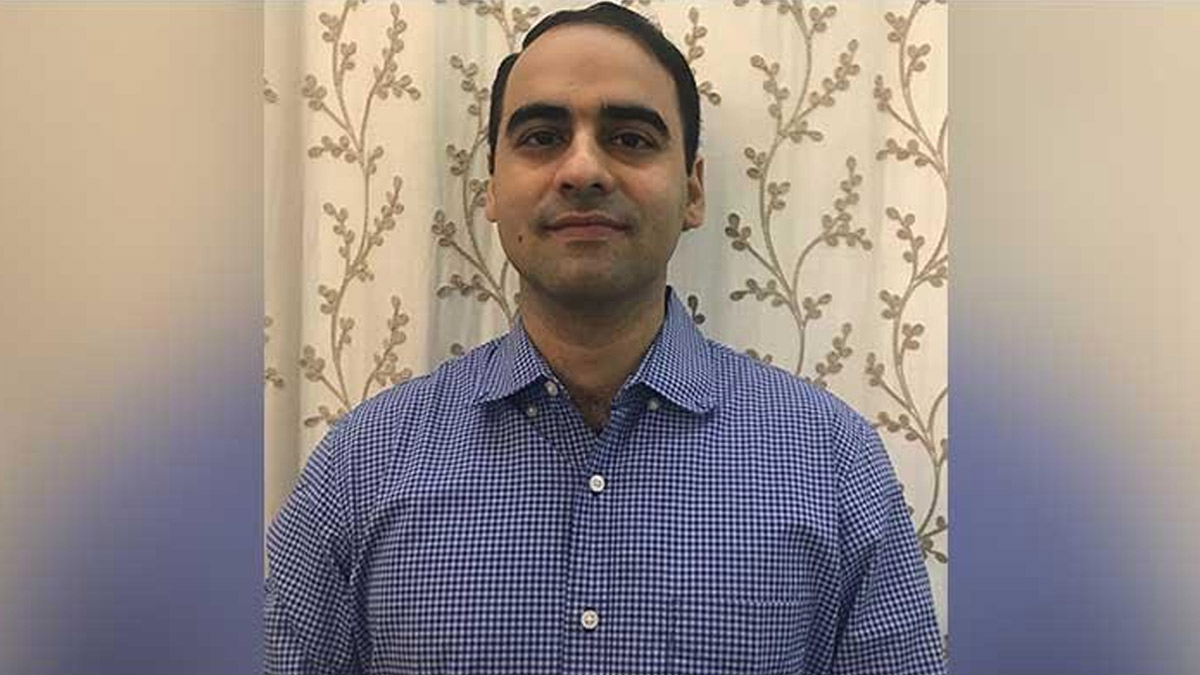
MUMBAI: After more than seven years of steering Uber through the bumpy roads of India’s mobility market, Ameya Velankar has decided to change lanes. Ameya Velankar has stepped down as Head of Marketing for India and South Asia, marking the end of a significant chapter at the ride-hailing company. He had been with Uber since 2019, taking on multiple roles in product and category marketing before rising to lead the marketing function for the region in 2021.
During his tenure, Velankar played a key role in strengthening Uber’s positioning in one of its most competitive and dynamic markets. He helped drive localised marketing strategies and scale adoption across key offerings such as Auto, Moto, Rentals and Intercity, tailoring global platforms to Indian consumer needs.
Prior to joining Uber, Velankar built his marketing expertise at leading consumer companies including SC Johnson and Marico, where he handled category and product leadership roles. His career began at RPG Enterprises.
Details of his next professional move have not been disclosed.
In a fast-evolving mobility landscape where brands constantly battle for attention, Ameya Velankar helped Uber stay relevant and resonant with millions of Indian users. As he moves on from the driver’s seat of marketing, the company will now look for fresh ideas to keep its wheels turning smoothly.






