Brands
Decathlon rolls out Second Life Bazaar to push circular sports retail across 68 stores in India

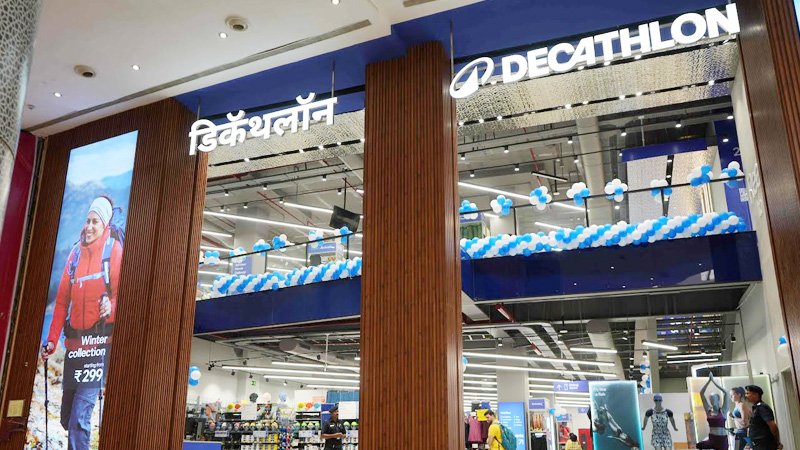
MUMBAI: Old gear is getting a new shot at glory. Decathlon India is rolling out its largest circular retail campaign to date with the launch of Second Life Bazaar, an 11-day sustainability activation starting 5 June 2025—coinciding with World Environment Day. The campaign spans 68 stores nationwide and aims to turn Indian sports retail into a regenerative game plan.
At the heart of the campaign is a three-pronged strategy: buyback, resale, and DIY maintenance. Customers can trade in old Decathlon cycles and fitness gear for store vouchers, buy refurbished equipment at 30 per cent to 60 per cent off MRP, and take part in workshops to fix and maintain their sports goods—from skates and rackets to scooters and cycles.
Decathlon’s new circular model is set to grow its circular product portfolio by 28 per cent to 30 per cent this year, with a longer-term goal of tripling circular turnover by 2027—projecting 200 per cent growth from 2024 levels. The company also expects to keep more than 300,000 sports products out of landfills during that period.
“We have always believed that accessibility and sustainability must go hand in hand. As our customers evolve, so does our responsibility to offer high-quality, long-lasting products that not only reduce environmental impact but also address affordability. Sustainability is a year-round commitment for us, but the Second Life Bazaar holds special significance as we mark World Environment Day, a moment to reaffirm our dedication to responsible consumption”, said Decathlon India CEO Sankar Chatterjee.
Backed by targeted advertising and communications, the campaign has gained traction in key metros and high-growth clusters including Bengaluru, Pune, Kolkata, Delhi NCR, Chennai, and across east India and Tamil Nadu.
“Circularity is an environmental strategy as well as a transformative approach to how we perceive value. With the Second Life Bazaar, we are enabling our customers to actively participate in sustainability by extending product lifecycles, reducing waste, and creating tangible environmental benefits”, added Decathlon India leader, sustainable development Annie George.
Globally, Decathlon has implemented similar campaigns in France, Spain, Italy, Portugal, the UK, and Poland. The Indian edition aligns with Mission LiFE and positions Decathlon as a key player in pushing circularity within the country’s fast-evolving sports retail landscape.