
Brands
De Beers study finds Gen Z driving US diamond demand as spending hits record highs
Natural diamonds outshine lab-grown rivals as bigger purchases and new occasions fuel growth


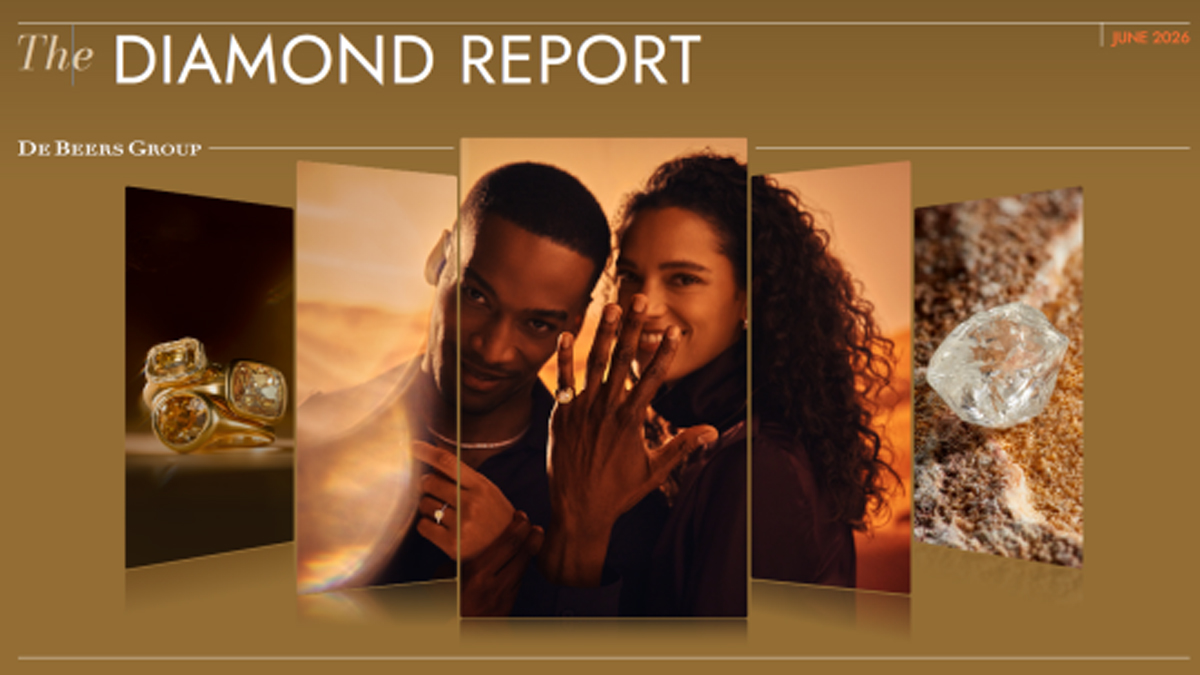
LONDON: A diamond in the stats. Natural diamonds continue to sparkle brightest for American consumers, with younger buyers spending more than ever and purchasing jewellery for reasons that stretch well beyond engagements, according to the latest research from De Beers Group.
The company’s latest edition of The Diamond Report draws on findings from its 2026 US Diamond Acquisition Study, which surveyed 18,500 women aged between 18 and 74 across the United States, the world’s largest diamond jewellery market.
The study found that natural diamonds remain the most desired luxury jewellery product, with 11 per cent of women naming them as their top luxury gift choice. That comfortably placed them ahead of synthetic lab-grown diamonds at 8 per cent, other gemstones at 5 per cent and plain gold jewellery at 4 per cent.
Consumers are also spending significantly more on natural diamonds. The average purchase price rose 25 per cent, climbing from US$3,242 in 2023 to US$4,063 in 2025. Buyers are also opting for larger stones, with the average total carat weight increasing from 1.65 carats to 1.86 carats over the same period.
One of the standout findings is the growing influence of Generation Z. Despite making up just 18 per cent of the US population, Gen Z now accounts for 23 per cent of total natural diamond demand by value, making it the second-largest generation of diamond buyers.
The youngest consumers are also the biggest spenders. Gen Z spends an average of US$4,080 per natural diamond jewellery purchase, compared with US$2,250 among Baby Boomers, almost double the amount.
Beyond spending, Gen Z is purchasing or receiving diamonds more frequently than any other generation, averaging 1.83 occasions per year, compared with the overall average of 1.7 occasions. While bridal purchases account for 45 per cent of Gen Z acquisitions, birthdays are becoming increasingly important, representing 17 per cent of their diamond purchases, compared with 13 per cent across all age groups. The study also found Gen Z places greater emphasis on self-expression and identity while relying more heavily on social media when researching purchases.
Quoting the findings, De Beers Group lead researcher Diana Mitkov said today’s consumers remain just as eager to own natural diamonds as previous generations, while their reasons for buying are becoming far more diverse.
Mitkov said, “The study findings highlight that today’s consumers aspire to own natural diamonds just as much as the generations that came before them, and ahead of any other jewellery product. And they are spending more per piece than ever before.”
She added that while engagements and weddings remain central to demand, people are increasingly buying diamonds to celebrate career milestones, promotions, personal achievements or simply as a treat for themselves. She noted that the industry now has an opportunity to offer designs across a wider range of sizes, colours and price points to reflect these changing motivations.
The report also highlights a broader shift in purchasing behaviour. Non-bridal occasions now account for three-quarters of overall US natural diamond demand, signalling that consumers increasingly see diamonds as everyday symbols of achievement and personal milestones rather than exclusively wedding jewellery.
Retail data from 950 independent jewellers paints a similarly positive picture. Natural diamond sales increased 4 per cent year-on-year during the fourth quarter of 2025 and 9 per cent during the first quarter of 2026.
The report also found particularly strong momentum for K to Z colour-range diamonds, promoted through De Beers’ Desert Diamonds campaign, with sales rising 15 per cent and 19 per cent, respectively.
Synthetic lab-grown diamonds, meanwhile, continue to gain volume but not value. The report says they accounted for only 15 per cent of independent jewellers’ diamond sales by value in 2025, while natural diamonds retained an 85 per cent share.
It also noted a noticeable decline in consumer demand for synthetic diamonds above three carats, suggesting buyers may perceive larger lab-grown stones as appearing less natural. As retail prices continue to fall, the report warns retailers could face greater difficulty upselling larger synthetic diamonds, potentially affecting long-term sales values and profit margins.
Looking ahead, De Beers Group executive vice president corporate affairs & strategy and chief economist Eirik Wærness said improving market fundamentals could strengthen the natural diamond industry.
Wærness said, “The diamond industry is evolving at pace with both supply and demand-side dynamics shaping the industry’s future.”
He added that declining global production is expected to improve supply-demand balance, while a resilient US economy and stabilising demand in China helped global natural diamond demand return to growth in 2025. Wærness also expects retailers to increasingly differentiate natural diamonds from synthetic alternatives as returns from lab-grown diamonds come under greater pressure.
With bigger purchases, younger buyers and a growing list of reasons to celebrate, the latest research suggests the sparkle of natural diamonds continues to shine brightly, even as the jewellery market evolves.






