
MAM
Creative Ways to Bring Stone Into Every Corner of the Home


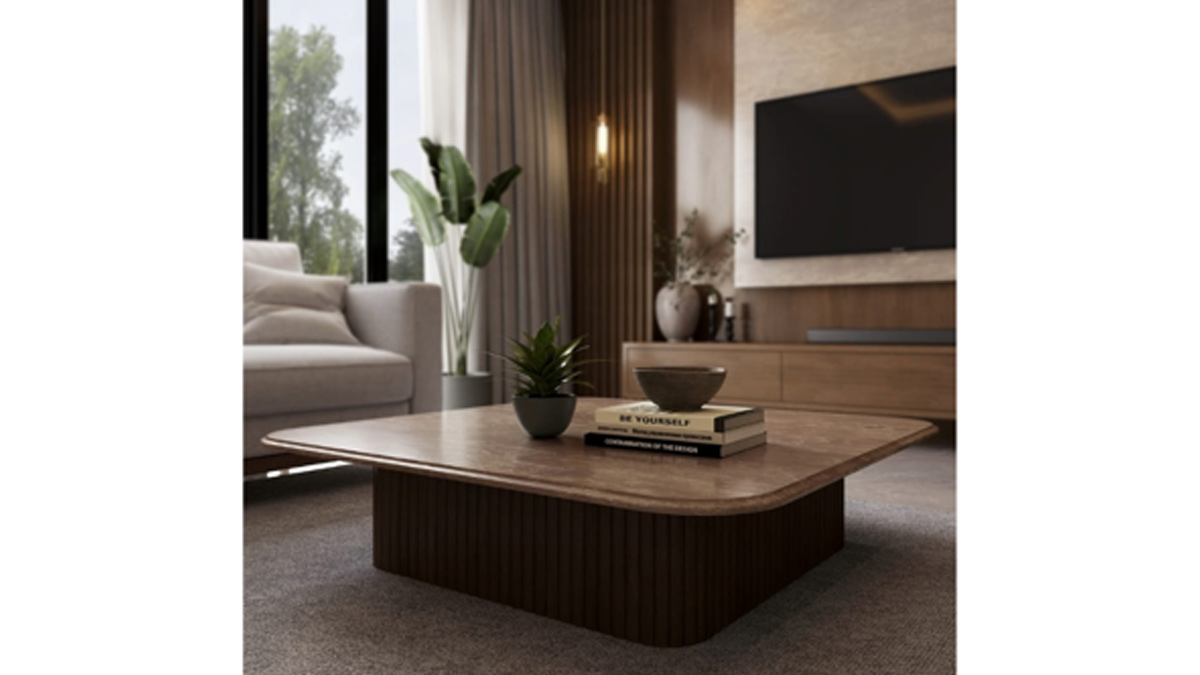
Stone has long been associated with kitchens, bathrooms and grand architectural spaces. But contemporary interiors are moving beyond these conventional applications. With advances in engineered stone technology, materials inspired by natural stone can now travel across different parts of the home—from furniture and walls to wardrobes, flooring and smaller accent surfaces.
The result is a more cohesive design language, where the same material can be used in unexpected ways while adding texture, depth and a sense of permanence. Here are some creative ways to bring stone into different corners of the home.
1. Turn Coffee Tables Into Statement Pieces
A coffee table is often one of the first pieces of furniture you notice in a living room, making it an ideal place to introduce stone. Instead of using stone only as a countertop material, consider a full stone tabletop paired with a contrasting metal or wooden base.
Console tables, side tables and bedside tables can follow the same approach. A slim stone surface can give these pieces a sculptural quality without making them feel visually heavy. For a more cohesive look, the stone can be repeated in smaller details elsewhere in the room.
2. Create a Feature Wall With Stone
Accent walls are another effective way to use stone beyond the usual applications. A stone-clad wall behind a television, sofa or dining area can create a strong focal point without relying on paint or artwork.
Fluting adds another layer of interest. Vertical grooves or ribbed detailing across an engineered stone surface can introduce rhythm and shadow, making a wall feel more architectural. Depending on the design, fluted stone can work equally well in a minimalist living room, a dramatic dining space or a sophisticated entryway.
Large-format slabs can also help create a cleaner look, particularly when fewer joints are visible across the wall.
3. Give Wardrobes a More Architectural Finish
Wardrobes are typically finished in laminates, wood or painted surfaces, but stone-inspired surfaces can offer a more distinctive alternative. Using stone on wardrobe shutters or selected panels can turn an otherwise functional element into part of the room’s design.
This approach works particularly well when the wardrobe forms a continuous wall. A stone finish can make the entire elevation feel more intentional, while subtle tones and natural patterns keep it from becoming overwhelming.
4. Frame Architectural Features
Stone can be particularly effective around elements that already have architectural importance. Consider using it around doorways, niches, fireplaces, staircases or built-in shelving.
Instead of covering an entire surface, a stone frame or border can draw attention to the feature while keeping the rest of the room relatively restrained. In an open-plan home, this can also help visually define different zones without introducing physical partitions.
5. Explore Larger, Seamless Surfaces
One of the biggest opportunities in contemporary stone design is the ability to work with larger slab formats. This allows designers to think beyond individual surfaces and create expansive applications with fewer visual interruptions.
Specta’s Krest Collection, developed using KREOS Technology, brings this approach to engineered quartz through ultra-compact 12 mm slabs available in a super-jumbo 3500 × 2500 mm format. The combination of a thinner profile, large dimensions and application flexibility allows Krest to move beyond conventional countertops into furniture, wardrobes, flooring, wall claddings and accent surfaces.
For example, the larger slab format can be particularly useful for expansive feature walls or furniture applications where maintaining visual continuity is important. The reduced number of joints and breaks can give these surfaces a cleaner, more contemporary appearance.
6. Bring Stone Into Smaller Details
Stone can also be introduced through smaller architectural and decorative details such as floating shelves, ledges, planters, desk surfaces or bar counters.
For homes where a full stone-clad wall feels excessive, these smaller applications offer a more restrained way to experiment with the material.
Brands such as West Elm have highly contemporary and minimalist stone planter sets that add texture to the environment while serving as solid vessels for adding some greenery.
Making Stone Work Across the Home
The most interesting use of stone today is not necessarily about adding more of it, but about using it more thoughtfully. A coffee table can echo the material of a kitchen island; a feature wall can continue into a console; or a wardrobe can pick up the same tones used elsewhere in the room.
With engineered surfaces becoming thinner, larger and more versatile, stone-inspired design is no longer restricted to a handful of traditional applications. It can become a recurring design element that connects different spaces and gives the entire home a more considered, cohesive character.






