Digital
Collective Artists Network appoints Kshitij Mehta to lead Motion Pictures and Ratpack Stories

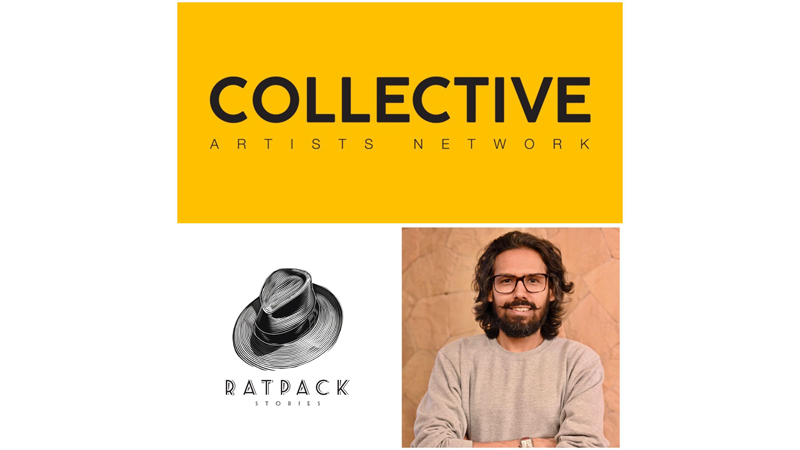
MUMBAI: Collective Artists Network is tightening its grip on original storytelling. The talent and content powerhouse has appointed Kshitij Mehta to lead its motion pictures business, alongside Ratpack Stories, its film-focused production arm under Collective Studios.
The move places Mehta, a partner at the company, at the helm of Collective’s end-to-end film slate, spanning development, literary, casting and execution. Ratpack Stories sits alongside Terribly Tiny Tales and Historyverse within Collective Studios, the group’s unified content studio housing its original IP ambitions.
Ratpack Stories has been positioned as Collective’s filmmaker-first banner, backing creator-led, commercially ambitious projects for both theatrical release and streaming platforms. Mehta’s expanded remit is to build a focused production engine that taps into Collective’s talent ecosystem while collaborating closely with the wider industry.
Announcing the appointment, Vijay Subramaniam, founder and group ceo of Collective Artists Network, said, “Kshitij has been instrumental in shaping how we think about films and long-term creative partnerships. As we build Collective Studios into a home for distinct storytelling verticals, it was important for Ratpack Stories to have clear leadership and intent. Kshitij brings both creative instinct and operational clarity to that role.”
Mehta said the focus would remain firmly on intent-led cinema. “Ratpack Stories is about backing strong voices and building films with intent and ambition. Leading motion pictures alongside Ratpack allows us to approach projects more cohesively, from talent to storytelling to execution, while staying true to the kind of work we want to put into the world.”
The appointment underscores Collective Artists Network’s broader strategy of building sharply defined content verticals under Collective Studios, each with clear leadership and creative mandate — and signals that its film ambitions are no longer experimental, but structural.






