Brands
Co ordination pays Off as Juliet Dresses the everyday win


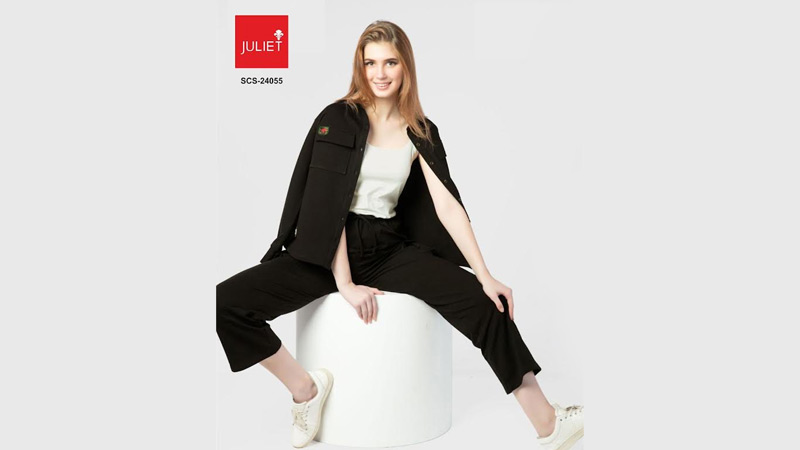
MUMBAI: If getting dressed is now a lifestyle decision, Juliet has clearly read the room. Juliet, one of India’s most trusted everyday fashion labels, is tightening its grip on the women’s wear market by doubling down on a category that is quietly dominating wardrobes: effortless co-ords. As women increasingly favour pieces that work harder across longer days, the brand’s comfort-led matching sets are emerging as a go-to solution for style without stress.
Juliet’s co-ords are designed with how women actually live and dress, not just how fashion looks on paper. The silhouettes balance ease and polish, flattering a wide range of body types while allowing freedom of movement. Built to move easily from home to outdoors, the sets reflect the realities of work-from-home routines, quick errands, casual meetings and travel days where comfort can no longer be optional.
The range itself is broad and deliberately versatile. From clean monochromes and soft pastels to bold prints, florals, stripes and seasonal motifs, the collection offers visual variety without losing coherence. Styles include crop tops with wide-leg trousers, tunic-style tops with leggings, oversized shirts paired with shorts, capsule co-ords and flexible separates. Fabrics such as breathable cotton blends and lightweight modal are chosen with India’s climate in mind, keeping wearability front and centre.
What sets the line apart is its plug-and-play appeal. Slip into a co-ord, add sneakers, sandals or slides, and the outfit is done. Many pieces are also designed for layering and mix-and-match use, extending their shelf life across seasons and occasions. It is fashion that works quietly in the background, rather than demanding constant styling effort.
Juliet’s continued focus on co-ords mirrors a larger shift in consumer behaviour towards clothing that is functional yet stylish, simple yet considered. By prioritising versatility and comfort without sacrificing visual appeal, the brand is reinforcing its relevance in everyday wardrobes and proving that, in modern fashion, coordination is not just convenient, it is commercially smart.