Brands
Chinese Wok appoints Havas as integrated creative and media partner
Desi-Chinese chain bets on integrated creative and media muscle to power national expansion

MUMBAI: Chinese Wok is turning up the heat. India’s largest desi-Chinese qsr chain has appointed Havas Creative India and Arena Media as its integrated creative, social and digital media partner, sharpening its marketing firepower as it pushes past 260 outlets and eyes 500 stores across tier 1, 2 and 3 cities.
The mandate is sweeping. Havas Creative India and Arena Media, part of Havas Media Network India, will steer creative strategy, brand campaigns, social media, digital performance marketing and media planning and buying, orchestrating campaigns across atl, digital and in-store touchpoints. The brief: build a unified, platform-led brand system fit for national scale.
Founded in 2015 under Lenexis Foodworks, Chinese Wok has grown into the country’s largest Chinese qsr brand, with a footprint spanning more than 50 cities including Mumbai, Delhi, Bengaluru, Kolkata, Lucknow and Hyderabad. Now it wants more. Much more.

Aayush Madhusudan Agrawal, founder and director, Lenexis Foodworks, said the shift marks an investment in integrated brand building that matches the company’s growth ambitions. “As Chinese Wok scales nationally, we are investing in integrated brand building that matches our growth ambition. Havas will partner with us in shaping the next chapter of our journey, where creativity, culture and commerce work seamlessly together.”
The brand is doubling down on its youth-first positioning, amplifying cultural properties such as Wok FM and Crush Hour while building a broader content slate. The pivot away from campaign-led bursts to a continuous, platform-driven narrative signals a more systematised approach to brand equity.
Vikas Iyer, marketing head, Lenexis Foodworks, framed the move as essential to winning over Gen Z. “Chinese Wok has always been a culture-first brand, and as we deepen our connect with Gen Z, integration becomes critical. With Havas, we aim to create sharper campaigns, stronger digital ecosystems, and measurable impact, ensuring the brand stays relevant, visible, and performance-driven at scale”.
On the creative front, Anupama Ramaswamy, managing director and chief creative officer, Havas Creative India, described the brand as “pure fire, fast, flavourful and completely plugged into pop culture”. Her ambition: “to bottle that energy into a living brand platform that fuels everything, from big campaigns to cheeky social chatter to irresistible in-store experiences.” The goal, she added, is “stronger brand love, deeper youth obsession, and work that doesn’t just look good but moves business. More heat. More heart. More hunger”.
Uday Mohan, coo, Havas Media India and Havas Play, said integration is the real unlock. “By bringing together creative, media, and performance under one cohesive vision, we aim to build a brand ecosystem that is culturally sharp, digitally agile, and built for scale”.
Lenexis Foodworks also operates The Momo Co. and Big Bowl, but Chinese Wok remains its flagship and growth engine . As competition intensifies in India’s fast-food sector, scale alone is no longer enough. Cultural fluency, data-driven performance and seamless brand experiences are the new battleground.
Chinese Wok is betting that with Havas in its corner, it can serve up all three — fast, loud and at national scale.






Brands
Jubilant Foodworks to end Dunkin’ franchise in India
Pizza chain operator will not renew agreement when it expires at end of 2026.
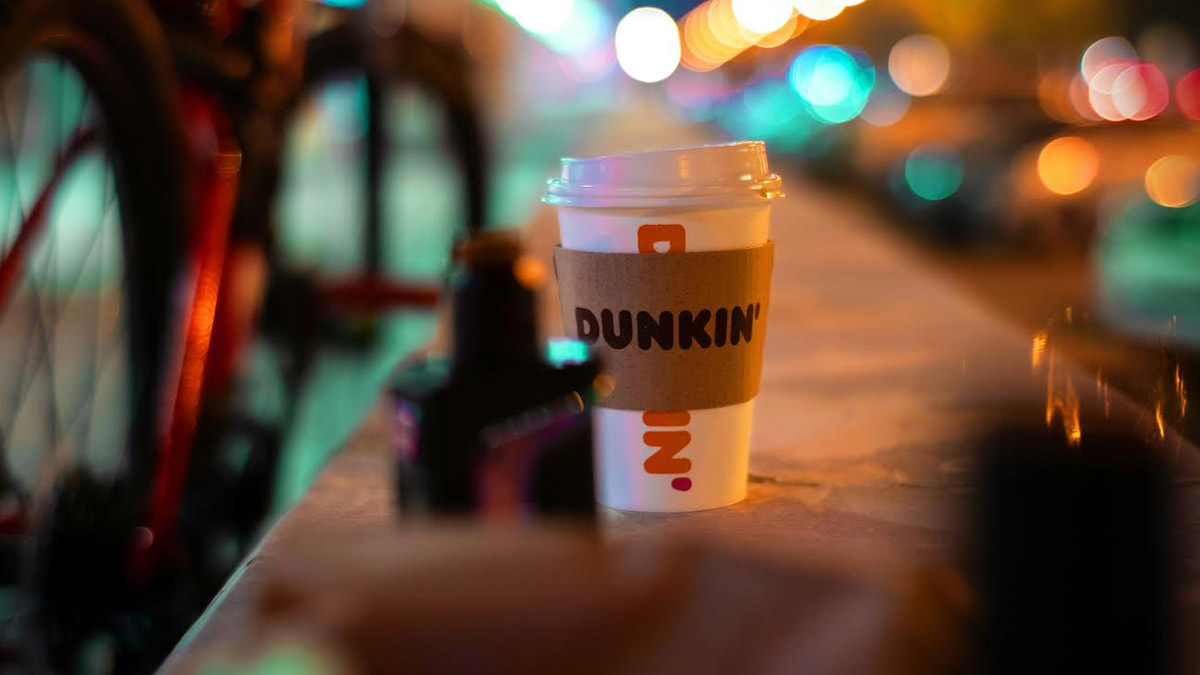
MUMBAI: When the doughnuts stop turning and the coffee goes cold, even a global giant like Dunkin’ can find the Indian market a tough brew to crack. Jubilant Foodworks has decided not to renew its franchise agreement with Dunkin’ when the pact expires on 31 December 2026, according to a Reuters report. The operator, best known for running Domino’s outlets in India, said it would evaluate options for its existing Dunkin’ stores, including a potential sale or transfer of franchise rights, in consultation with the US-based brand.
The decision follows years of underperformance in a market where local tastes and intense competition have made it difficult for international coffee-and-doughnut formats to gain traction. Jubilant, which has increasingly focused on its core pizza business and newer bets like Popeyes, indicated that the exit would not materially affect its financial or operational position.
Dunkin’ accounted for just 0.61 per cent of Jubilant’s revenue in the fiscal year ending 2025 and recorded a loss of approximately Rs 191 million, according to a regulatory filing. The company operated 27 outlets as of December 2025, having shuttered seven stores over the preceding year.
The retreat comes even as Jubilant’s broader business shows signs of momentum. The company reported a 65 per cent rise in quarterly profit for the October to December period, reaching Rs 70.9 crore, up from Rs 42.91 crore a year earlier.
For Jubilant, the exit reflects a sharpening strategic focus. For Dunkin’, it marks another setback in a market that has proven resistant to imported café concepts without significant localisation.
In the cut-throat world of Indian quick-service restaurants, sometimes the sweetest deals are the ones you quietly walk away from leaving more room for the brands that truly rise to the occasion.