MAM
Cheetah Mobile VP Li replaces Chen to lead India ad biz
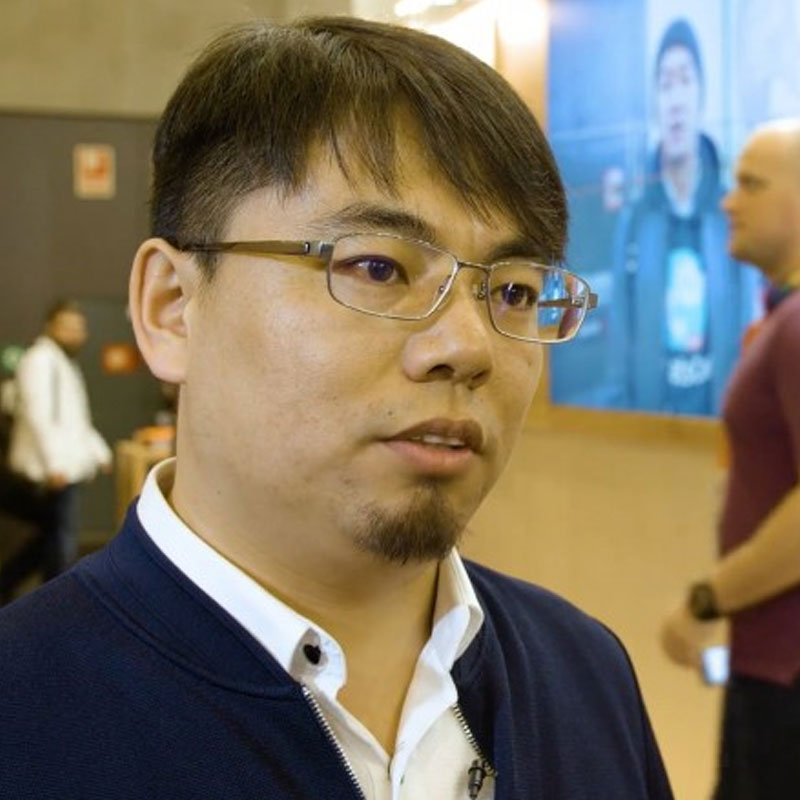
MUMBAI: Cheetah Mobile VP – sales and business development Johnny Li has been appointed to lead its advertising business in India.
Li will be taking over the roles and responsibilities from Morden Chen, who will be moving on from Cheetah Mobile to pursue other interests.
“We are confident that our comprehensive mobile marketing solutions coupled with our AI technology can help advertisers reach their target audience effectively,” Li said.
Li, who holds an International Trade Bachelor Degree from Beijing International Studies University, has been a part of Cheetah Mobile since 2013, has devoted himself to multiple international business matters, engaging at all levels.
With over 10 years of experience in international business development, he is the founder of Cheetah Mobile’s first multicultural business development team which led to the establishment of six offices overseas and 12 local business development teams which cover: user acquisition, strategic partnerships, content development, and third-party inventory partnerships.
Earlier, Li held the positions of senior manager and then director of international business development at NQ Mobile Inc.

Brands
6 in 10 face bias, 58 per cent delay care: India’s LGBTQIA+ health crisis
Study highlights bias in care and unsafe spaces shaping everyday choices
MUMBAI: A significant number of LGBTQIA+ women in India are putting off essential healthcare, with 58 per cent reporting delays or avoidance due to discrimination, according to a new study. The figure is the highest among five countries surveyed, pointing to deep-rooted systemic challenges.
The research, conducted by Kantar in partnership with DIVA Charitable Trust and The Curve Foundation, draws insights from over 3,200 LGBTQIA+ women and non-binary individuals globally. Released around Lesbian Visibility Week, the findings highlight how bias continues to shape access to care.
In India, 60 per cent of respondents said they had faced discrimination in healthcare settings, often feeling dismissed or not taken seriously by providers. This has led many to delay seeking treatment, underscoring how trust deficits in the system directly impact health decisions.
The study also reflects broader social realities. Instances of verbal or physical abuse were commonly reported across platforms such as social media, public transport and social venues, reinforcing a persistent sense of insecurity in everyday life.
At the same time, expectations from brands are evolving. In India, 78 per cent of respondents believe companies should actively contribute to advancing diversity and inclusion, signalling a growing demand for corporate accountability.
Kantar India HR head Mridul Shekhar said, “LGBTQIA+ women and non-binary people remain underrepresented and overlooked. Their experiences are shaped by uneven access to care and systems not designed with them in mind. When people are invisible in data, they become invisible in decision-making.”
DIVA Charitable Trust executive director Lady Phyll added, “When people delay healthcare because they fear discrimination, we are no longer talking about symbolic inclusion. These are life decisions driven by the need to feel safe.”
The findings underline a stark reality. While awareness around inclusion is growing, bridging the gap between intent and lived experience remains an urgent priority.