MAM
Capital crunch: India’s media and entertainment sector battles for investor attention

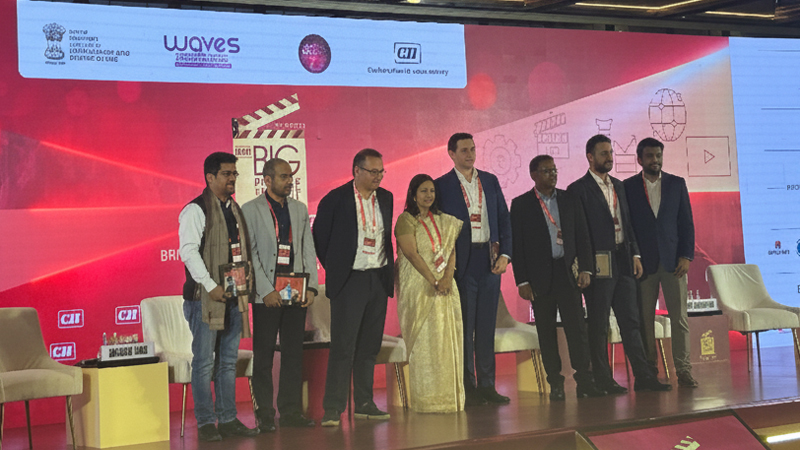
MUMBAI: India’s media and entertainment sector is trapped in a paradox. High growth, high opportunity, but persistently low institutional capital. At the CII Big Picture Summit, a panel titled “Bridging the Funding Gap: Unlocking Investment for India’s M&E Sector” brought together industry veterans and investors to dissect why a sector contributing Rs 3.5 trillion struggles to attract serious money, and what needs fixing.
Shibashish Sarkar of Reliance Entertainment, chairing the session, framed the challenge starkly: a century-old industry built on private passion and private purses now needs institutional heft to scale. But the money isn’t flowing. Atul Phadnis of Vitrina AI pointed to a brutal cocktail of recent shocks: Covid’s production surge followed by a stock market hammering of media companies, Netflix’s subscriber wobbles, Hollywood strikes, and the slow-motion collapse of linear TV. Global production financing, tracked daily by Vitrina across 100 countries, shows volumes slumping to near pre-pandemic levels, with the United States weakened and government-backed markets like Germany, Japan and Brazil surging ahead.
Nicolas Granatino, president of Stem AI and backer of India’s first triple-A console game based on Indian mythology, sees untapped goldmines. “The talent here is incredible,” he said, pointing to India’s epics, the Ramayana, the Mahabharata, as story worlds with global reach that remain criminally underexploited. His bet on Age of Vipara, involving Amish Tripathi and Abhita Bachchan, backs Indian IP at Hollywood quality, targeting both eastern authenticity and western novelty.

Joachim Laqueur, founding partner of 432 Legacy Ventures, argued that the real bottleneck isn’t creativity but infrastructure: rights management, audience discovery, transparent distribution. “You can create a great film with great stars, but distributing it through normal agency channels just doesn’t work anymore,” he said. His fund targets the plumbing: tools that let creators find audiences in Japan, partner with South Korea, price content intelligently and deliver returns to backers.
Anup Chandrasekhar, chief operating officer for regional content at The Epic Company, made the strongest pitch for regional markets, where 60 per cent of theatrical revenue originates. Regional cinema, he insisted, is investor-friendly if you avoid cherry-picking single films and commit to slates. Returns of 20 to 40 per cent are achievable, he claimed, but institutional funding remains scarce. Instead, producers rely on loan sharks charging 3 to 4 per cent monthly interest. “India is not Hindi. India is a constellation of regional languages,” Chandrasekhar said, urging investors to back vernacular franchises like Pushpa and niche OTT platforms catering to hyperlocal dialects and genres: Marathi theatre, micro-dramas, community-specific content.
The panel, which also featured Karan Taurani, executive vice president at Elara Capital, and Aneesh Dev, managing director of WAMIndia, agreed: the old revenue models are dead. Linear TV is a bonus, not a base. Content must be platform-agnostic, multi-revenue, multi-format. The sector isn’t dying, it’s shape-shifting.
The message to investors? Stop treating India’s media sector as a Bombay monolith. Think regional, think IP, think infrastructure. The opportunities are there. The capital, for now, is not.





MAM
Ameya Velankar steps down as Uber’s head of marketing for India & South Asia
Veteran marketer exits after more than seven years with the ride-hailing giant.
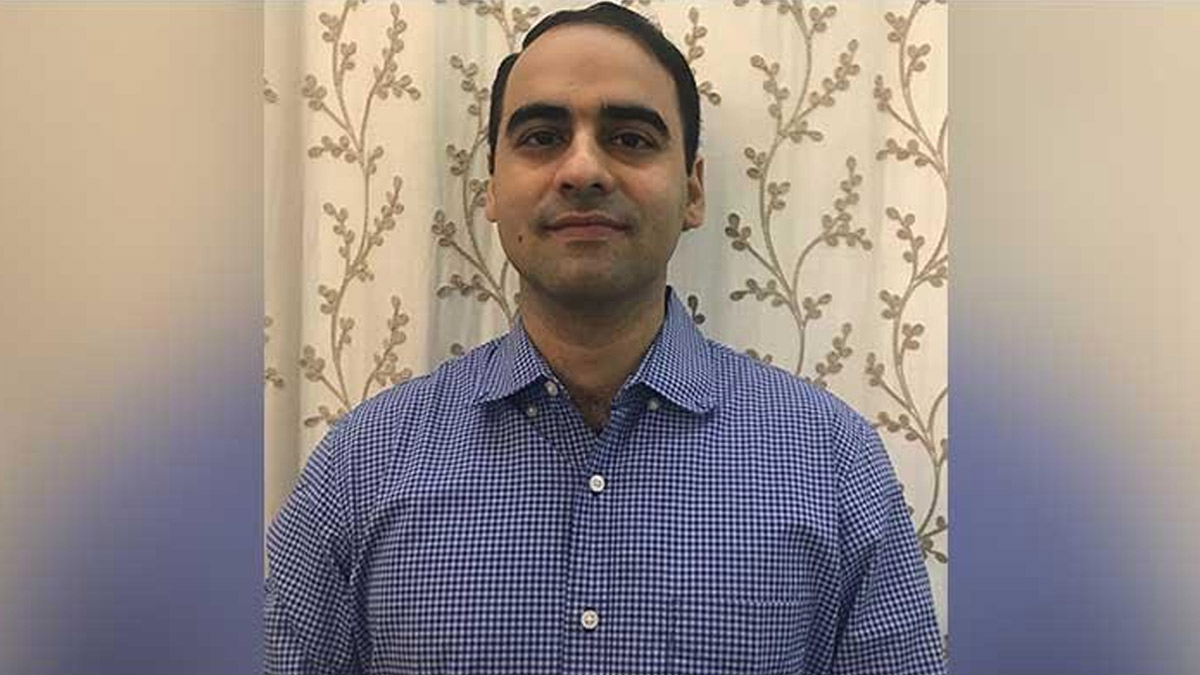
MUMBAI: After more than seven years of steering Uber through the bumpy roads of India’s mobility market, Ameya Velankar has decided to change lanes. Ameya Velankar has stepped down as Head of Marketing for India and South Asia, marking the end of a significant chapter at the ride-hailing company. He had been with Uber since 2019, taking on multiple roles in product and category marketing before rising to lead the marketing function for the region in 2021.
During his tenure, Velankar played a key role in strengthening Uber’s positioning in one of its most competitive and dynamic markets. He helped drive localised marketing strategies and scale adoption across key offerings such as Auto, Moto, Rentals and Intercity, tailoring global platforms to Indian consumer needs.
Prior to joining Uber, Velankar built his marketing expertise at leading consumer companies including SC Johnson and Marico, where he handled category and product leadership roles. His career began at RPG Enterprises.
Details of his next professional move have not been disclosed.
In a fast-evolving mobility landscape where brands constantly battle for attention, Ameya Velankar helped Uber stay relevant and resonant with millions of Indian users. As he moves on from the driver’s seat of marketing, the company will now look for fresh ideas to keep its wheels turning smoothly.






