MAM
Canada checks food imports after Mumbai label-tampering operation
Bilingual Kurkure label raises questions over possible export links, but no Canada link has been confirmed


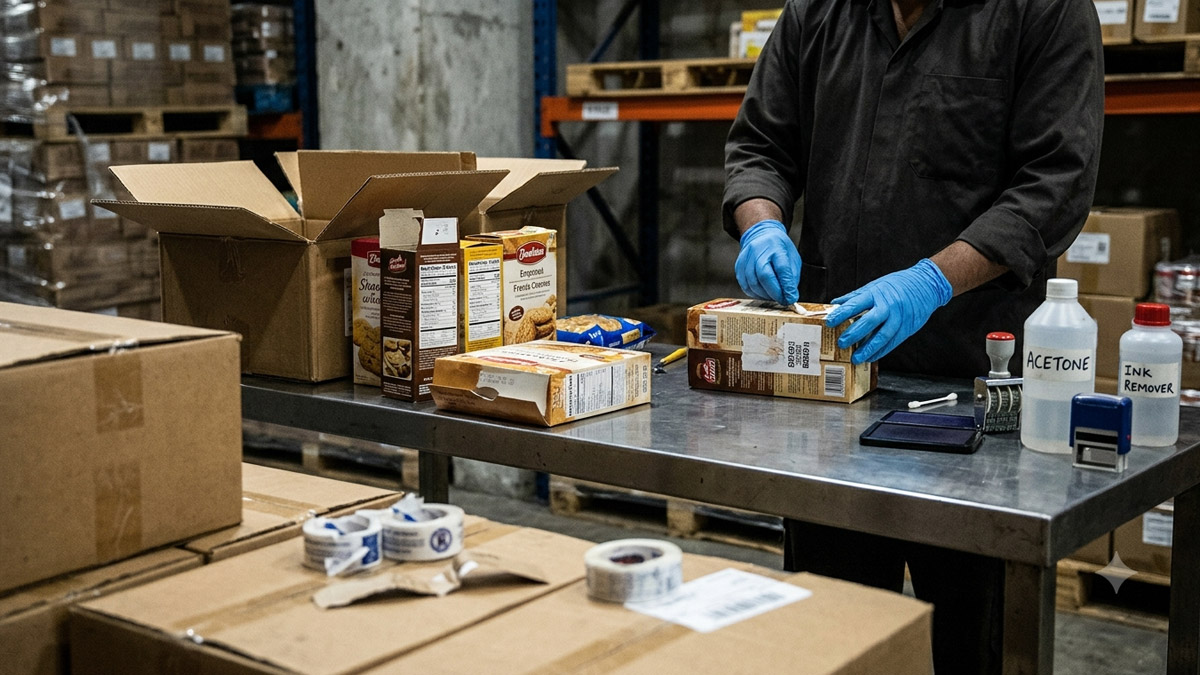
MUMBAI: When it comes to food labels, the expiry date is no place for creative writing. Canada’s food safety regulator is now examining whether an alleged label-tampering operation uncovered in Navi Mumbai could have implications for food imports, after Indian authorities found products carrying allegedly altered expiry dates and nutritional information.
According to a Reuters report, the Canadian Food Inspection Agency (CFIA) is monitoring the situation to determine whether any products linked to the operation may have entered Canada. However, the agency said it currently has no information indicating that goods connected to the Mumbai operation reached the Canadian market.
The development follows a raid by the Maharashtra Food and Drug Administration at a warehouse in Navi Mumbai, where officials seized packaged food products, chemicals and printing equipment allegedly used to remove or alter information printed on food packaging.
The products found at the facility included Lay’s and Kurkure from PepsiCo, Maggi from Nestlé, Knorr and Hellmann’s from Unilever, and Thums Up and Limca from Coca-Cola.
According to Indian officials, some of the products were expired or close to their expiry dates and had allegedly been prepared for relabelling. The operation reportedly went beyond simply extending shelf life on paper. Investigators found equipment and chemicals that were allegedly being used to remove original manufacturing and expiry information before replacing it with new details.
One of the products examined was a Kurkure packet carrying nutritional information in both English and French. That detail has drawn particular attention because Canada generally requires mandatory food-label information to be provided in both of its official languages.
Reuters reported that one altered Kurkure label appeared to contain changes not only to expiry information but also to ingredient quantities, calorie figures and serving-size details. A Maggi packet recovered from the warehouse reportedly carried a replacement nutrition label and stated that it was manufactured in India.
The bilingual Kurkure packaging has raised questions about whether some of the products may have been intended for overseas markets, including Canada. But the presence of a Canadian-style label does not establish that the products were actually shipped there.
Indian authorities have not confirmed that any of the allegedly relabelled products were exported to Canada, while the destinations of the goods remained unclear at the time of the Reuters report.
The warehouse was allegedly working on behalf of 19 exporters, according to Indian officials. Tukaram Mundhe, Maharashtra FDA commissioner, told Reuters that the department had written to the relevant authorities to investigate the exporters associated with the facility.
For Canada, the response is therefore a precautionary check rather than evidence of a food safety breach in the country. The CFIA has said it takes food fraud seriously, including false expiry dates, inaccurate nutritional information and misleading claims about where a product was made.
If non-compliant food is identified in Canada, authorities can take measures including removing products from the market, suspending licences and imposing monetary penalties.
The investigation also does not accuse PepsiCo, Nestlé, Coca-Cola or Unilever of carrying out the alleged relabelling. Their products were among those recovered from the warehouse, while Indian authorities investigate the operators and exporters linked to the facility.
For now, the key question is not what was found in Navi Mumbai, but where it was supposed to go. Until investigators establish whether any altered products crossed India’s borders, Canada’s food-safety review remains a watchful check rather than a confirmed import alert.