MAM
Bruce Clay India announces key appointments to drive growth in subcontinent

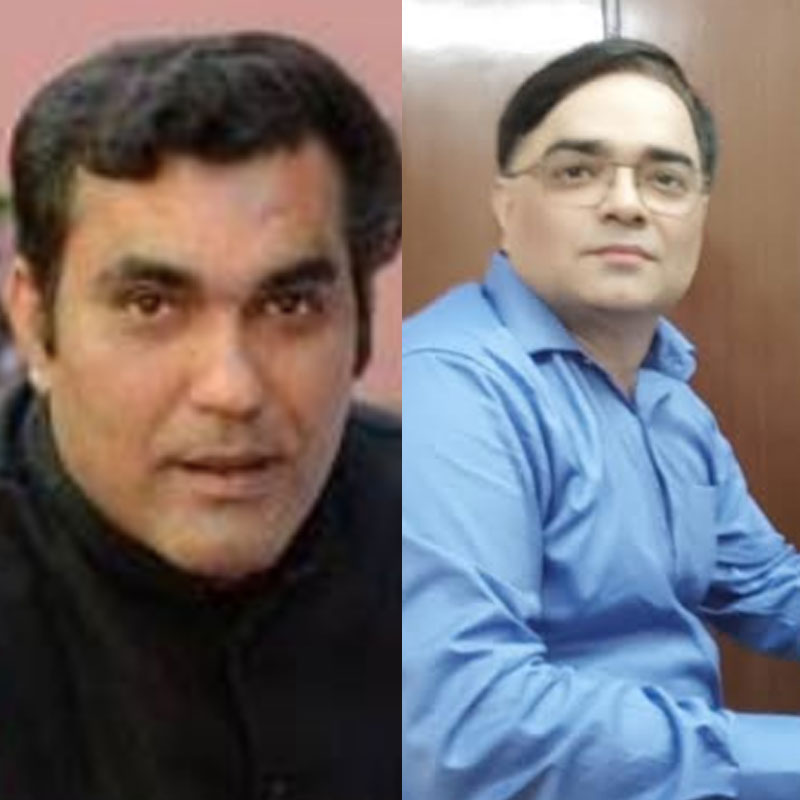
NEW DELHI: Bruce Clay India has appointed Ajay Chhabra as the new country head and Amitab Dev as business head for the region. Both Chhabra and Dev come with more than two decades of experience in the digital marketing space.
Chhabra’s last stint was as the founder of BGV Digital. He has a robust experience working in both agency and client-side. In the past, he has worked with two global digital marketing agencies, Ogilvy (WPP Group) & MRM Worldwide (IPG Group) and managed key global brand launches. He has recently served in the global marketing headquarters team of General Electric Co, in the healthcare business. Some of the major brand campaigns he has been associated with include, General Motors, Business Octane, General Electric, Apollo Cradle, Motorola, LiveMint, Limca, Haers, TetraPak and others. Beyond digital marketing, he has exposure to artificial intelligence, business intelligence, CRM technologies and marketing automation technology. He has been invited as a speaker at a number of global corporates and top Business schools in India. Chhabra will be responsible for managing Indian operations, its strategic growth, client’s satisfaction and alliances for growing the digital marketing business for Bruce Clay in India.
Dev spent the initial years of his professional life setting up one of India’s first exclusive Internet magazine online ventures – BharatSamachar.com. Thereafter he spent a decade working across industries at different positions servicing clients in different countries. He made a comeback to the online world by taking charge of business development for RankWatch, a cloud-based Internet Marketing Platform and later as business head for digital marketing agencies SparkPlug Online and Digifish3. He will be responsible for client acquisition and marketing for Bruce Clay India.
Bruce Clay India MD Siddharth Lal says, “The India office is very excited about Ajay Chabbra & Amitab Dev's addition to the India team as it comes at the perfect time. The Indian Internet market is exploding with massive growth and the number of Internet users in India has crossed more than half a billion users. The current COVID2019 related crisis is forcing traditional companies to think Digital. We would like to guide companies on their Digital transformation journey and show them how to reach customers via digital marketing. These new appointments will help us in taking our brand success story to amazing new levels.”
“Initially known for SEO services, we have now grown into the areas of Google Ad management, content development, and social media marketing services. The Y-o-Y growth for overall digital advertising budgets in India has already crossed 20,000 crores per annum and is growing in the double-digit range. Search marketing, display and Video marketing are the most important components of the digital marketing strategy for any brand. We have worked upon a long-term strategy for growing the Indian business and we are confident that we will be able to grow it many-fold with our new strategy, industry verticals focus, new services and team members. We are offering to scale up and optimize any brand's search marketing spends, with our SEO maturity assessment and audit services. These services coupled with our own proprietary research and digital marketing tools are the differentiation for us in India,” says Chhabra.
“We have many instances of recalibrating rankings of eCommerce giants, who had lost their ranking in the past due to search engine updates, penalties or the CMS platform and technology changes. With the availability of our global talent pool we can scale up resources anytime and service the brands. All of our client value us for our quality delivery and right advice as trusted advisors. We help you get quality traffic that converts to business and revenue for you and the ROI is the need of the hour for any marketing director in the post COVID world,” says Dev.






